desk
desk Share
Share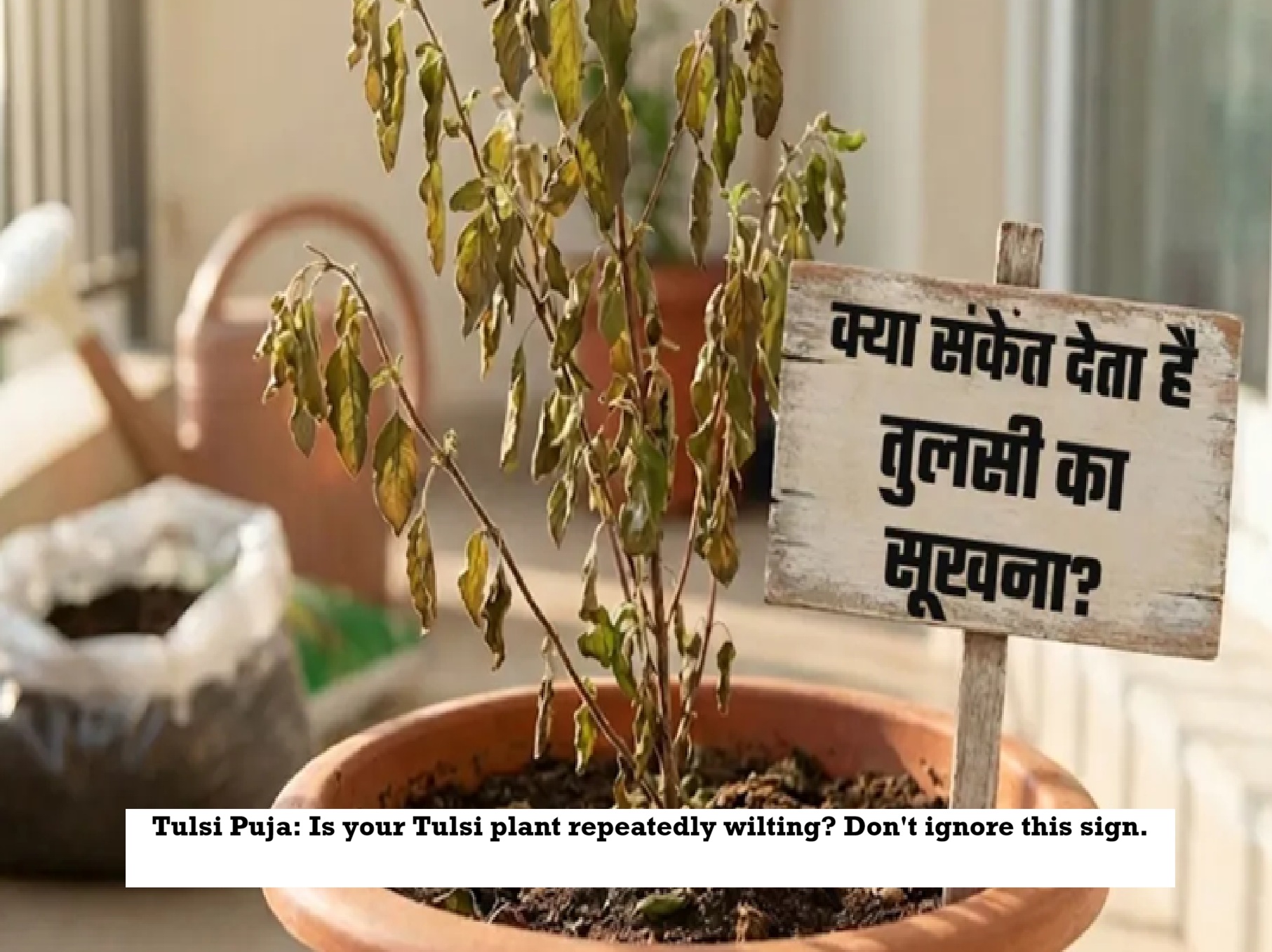
News Topical, Digital Desk : Hinduism believes that caring for the Tulsi plant properly and worshipping it daily can bring positive results. If the Tulsi plant in your home repeatedly dries out or begins to wilt, it's not just a gardening problem but could be a sign of some important dangers. Let's explore this further.
You may get these signs
It's common for a basil plant to wilt during extreme cold or heat. However, if your basil plant repeatedly wilts despite proper care, it's not considered a good sign. This could mean an energy imbalance in your home or it could be a sign of a Vastu defect .
These are also bad signs.
Inauspicious signs associated with Tulsi (Tulsi Ke Niyam) include yellowing of the leaves or sudden shedding of the leaves. These signs indicate negative energy, financial difficulties, or problems in the home. These signs may also point to ancestral curses.
This is a good sign
Having a lush, green Tulsi plant in your home is an auspicious sign in itself. Furthermore, if a Tulsi plant suddenly sprouts somewhere in your home, this is also considered an auspicious sign. This means that all your endeavors will be successful. It is also considered a sign of receiving the blessings of Goddess Lakshmi and Lord Vishnu.
Yogas for progress are created
The appearance of new leaves and branches on the basil plant is also considered auspicious. This signifies that you may receive new opportunities and advancement. Furthermore, if a butterfly lands on your basil plant, it is also considered an auspicious sign, signifying that God's blessings are upon you.
--Advertisement--