desk
desk Share
Share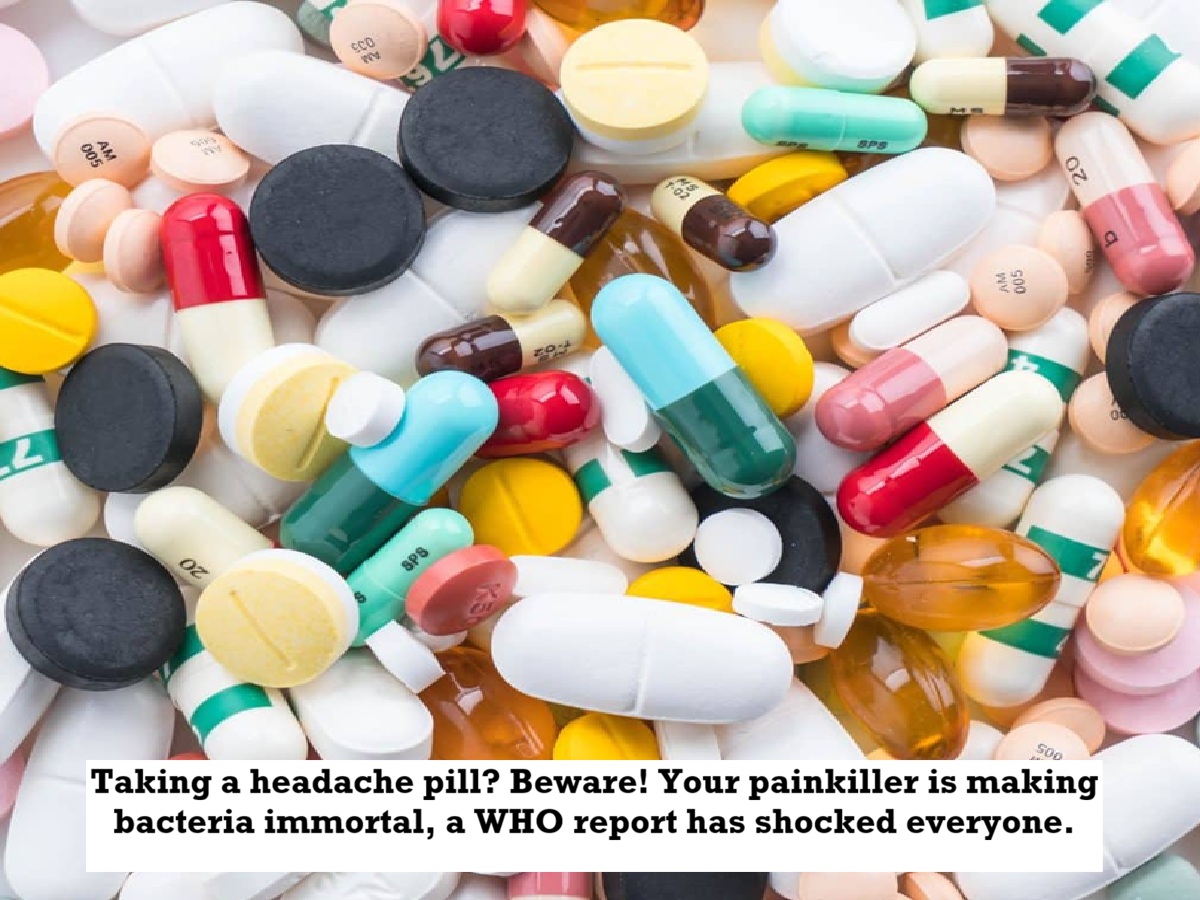
News Topical, Digital Desk : Dangerous infections that are resistant to antibiotics are increasing rapidly. Experts believe that rapidly increasing antibiotic resistance has become a threat to the future of modern medicine. In countries like India, where large populations lack access to quality healthcare, the risk of drug-resistant infections is even higher. The World Health Organization states that antibiotic resistance in South and East Asia has almost doubled compared to the global average.
- Antibiotic resistance is increasing by 15 percent every year (according to a new report by the World Health Organization).
- Common antibiotics proved ineffective against one in six infections in 2023, according to the report, including drugs used to treat urinary tract infections (UTIs), gonorrhea and E. coli.
- Antibiotic resistance causes the death of 1 million people every year , while antibiotic resistance is also a major cause of 5 million deaths every year.
- One in three infections is resistant to antibiotics in Southeast Asian and Eastern Mediterranean countries, which is twice the global average and three times that of Europe.
Serious challenges facing low-income countries
- The problem of resistance is particularly severe in low- and middle-income countries, largely due to the weak health care systems in these countries, which significantly complicates detection, prevention, and treatment.
- AMR could reduce global production output by $1.3 trillion by 2050. This will increase medical costs and reduce human productivity.
- Drug-resistant infections could cause 39 million deaths worldwide over the next 25 years, according to a Lancet study.
- 140 countries have so far joined the WHO's Antimicrobial Resistance Surveillance System, launched in 2015.
- 40 percent of common antibiotics used have become ineffective in treating infections.
effective way of protection
- Develop a habit of cleanliness so that you do not become a victim of infection.
- Use antibiotics only when necessary and on the advice of a doctor.
- Get necessary vaccinations as per doctor's advice.
Painkillers are also responsible!
According to a report, painkillers can also lead to increase in antibiotic resistance. According to the research journal NPJ, ibuprofen and acetaminophen increase mutation in E. coli. This makes the common bacteria more resistant to the antibiotic ciprofloxacin. This study clearly shows that the use of multiple medicines increases the risk. Medicines given to older people for pain, sleep or blood pressure simultaneously also make the intestinal bacteria resistant to antibiotics. E. coli can cause infections like intestinal and urinary tract. In such a condition, loose stools may occur which are sometimes bloody, nausea, vomiting, stomach pain and cramps may occur.
Why is antibiotic resistance dangerous?
If the bacteria become drug-resistant, the sick person's treatment options become very limited. This can lead to a number of other complications, including:
- This increases the risk of serious illness, repeated infections, or death.
- Medicines can have serious side effects.
- Prolonged hospitalization may be necessary. Treatment can be quite expensive.
Due to antibiotic resistance
Misuse or overuse of antibiotics. Mutation of bacteria makes the drugs ineffective. Infection with drug-resistant bacteria from another person.
Effects of stopping antibiotics mid-course
If your doctor decides on the dosage and duration of antibiotics, their decision is based on the test results. Feeling better or having improved symptoms doesn't mean the infection is completely cured.
--Advertisement--