
 desk
desk Share
Share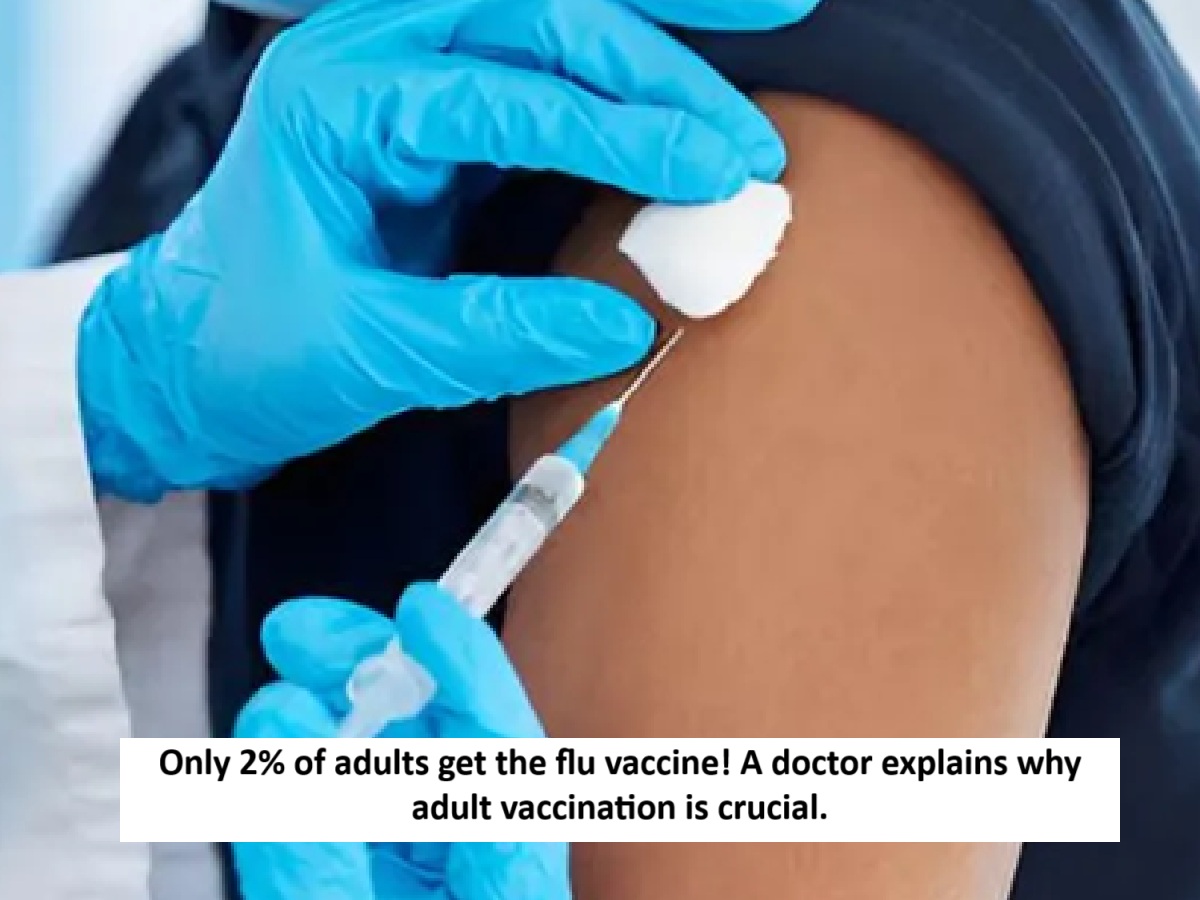
News Topical, Digital Desk : India has launched numerous government campaigns to vaccinate children, which have been successful. However, when it comes to adults, the picture is different. In fact, immunity gradually declines with age, increasing the risk of infection in the elderly and those with chronic illnesses.
Rapidly growing aging population and new challenges
A World Health Organization (WHO) report suggests that the world's elderly population (those over 60) will double by 2050, and nearly 80% of these people will live in low- and middle-income countries like India. Non-Communicable Diseases (NCDs) such as heart disease, diabetes, and kidney disease are also increasing with this changing population structure.
People with these conditions are at a much higher risk of infection. For example, people with diabetes may be more susceptible to illnesses like the flu or shingles. Furthermore, these infections often worsen chronic illnesses.
Why is the adult vaccination situation in India worrying?
India has one of the largest immunization programs in the world, but adult vaccination remains a priority in health policy. Many people still believe that “vaccines are only for children.” This perception is a major obstacle.
Due to a lack of awareness, the absence of government policy, and limited health infrastructure, adult vaccination coverage remains very low. Statistics show that less than 2% of people over 45 years of age have received the flu vaccine.
The impact of low vaccination
Lack of vaccination not only promotes disease but also increases the financial burden. When an elderly person contracts an illness like pneumonia or the flu, they may need to be hospitalized. In India, where most people bear the cost of treatment themselves, such illnesses can shake a family's financial stability.
These illnesses often cause long-term pain, fatigue, weight loss, and even mental stress. For example, shingles (Herpes Zoster) can be extremely painful – so much so that even the slightest touch of clothing can be unbearable.
The infection has a profound effect on the elderly and the sick.
The body's immune system declines with age. This is why people over 50 are at greater risk for illnesses like shingles, flu, and pneumonia. People with shingles often develop a complication called post-herpetic neuralgia, a condition characterized by persistent nerve pain.
Similarly, the flu (influenza) isn't just a "seasonal cold" for the elderly. It increases the risk of heart attack by 3 to 5 times and the risk of stroke by 2 to 3 times in those with heart disease.
The two-way relationship between non-communicable diseases and infections
Diabetes, heart disease, and respiratory illnesses weaken the body's immune system, making a person more susceptible to infection. Furthermore, when an infection occurs, these chronic conditions worsen. For example, people with diabetes have a 38% higher risk of developing shingles after chickenpox, and their blood sugar may be more likely to be out of control during shingles.
We need 'preventive' healthcare, not 'reactive' healthcare.
India must now move from a “treatment-after” approach to “prevention before illness.” A national adult immunization policy should be developed that includes vaccines for influenza, pneumococcal infection, shingles , hepatitis B, and tetanus.
Special “Adult Vaccination Clinics” can be started in hospitals and clinics, where patients suffering from diabetes, heart disease or kidney disease can get vaccinated along with their regular checkups.
Additionally, there is a need to run awareness campaigns among both doctors and the public, so that people understand vaccination as an important part of healthy ageing and not just for children.
For India's growing elderly population, adult vaccination should be viewed as a necessity, not an "option." It not only protects against infections but also reduces the burden of chronic diseases and keeps older adults healthier, more active, and more self-reliant.
Read More: Does your face suddenly swell? A doctor explains the possible cause.
--Advertisement--


