desk
desk Share
Share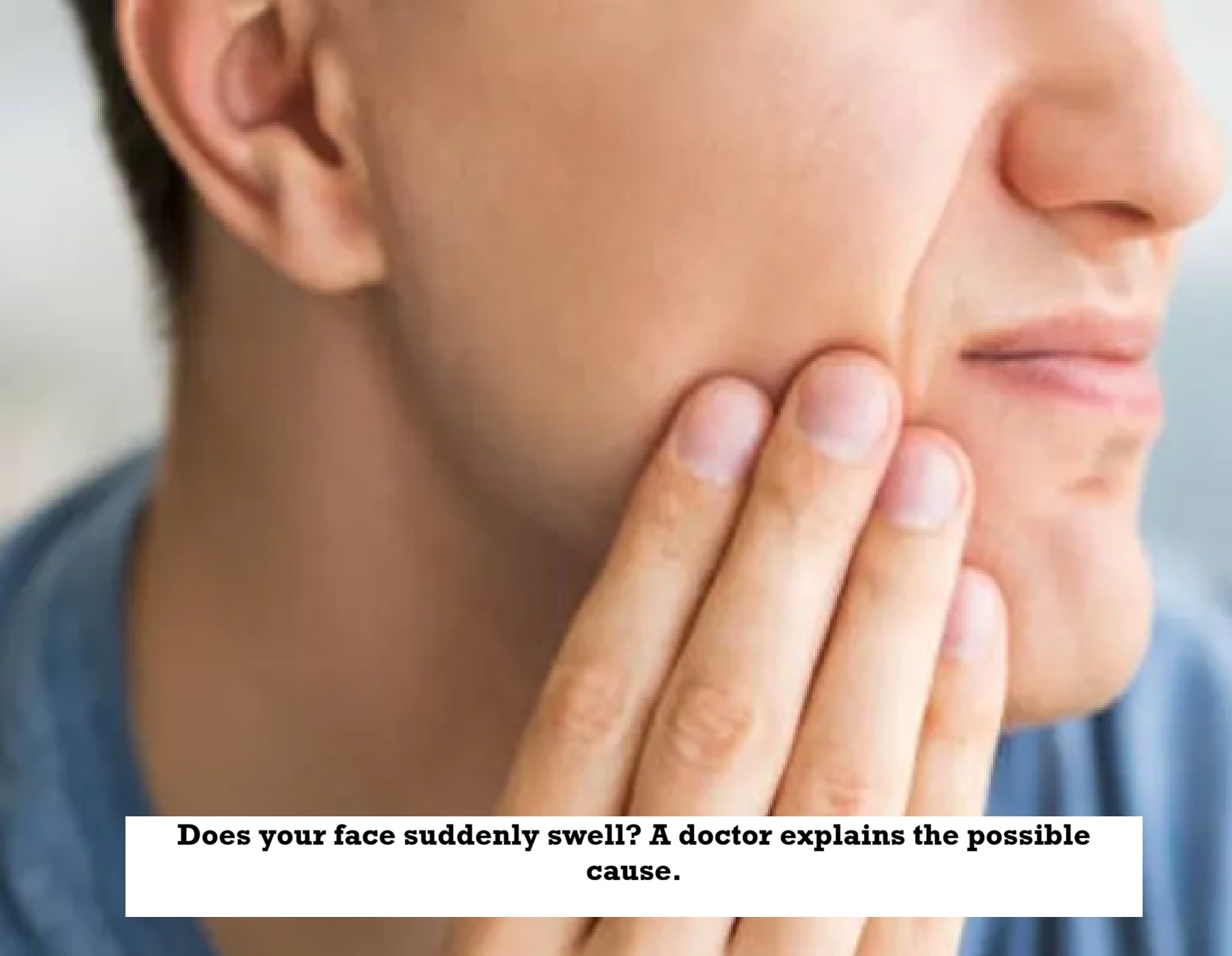
News Topical, Digital Desk : Often, when we see swelling on celebrities' faces, our first thought is that they may have had a cosmetic surgery gone wrong. However, when it happens to ordinary people, we immediately assume it's the result of an allergy.
What is angioedema?
According to the Cleveland Clinic, angioedema is a reaction that causes swelling in the tissues beneath your skin. Dr. Sood explained in his video that it occurs when small blood vessels under the skin suddenly begin to release fluid. This causes rapid swelling in areas like the lips, eyelids, cheeks, or tongue.
Symptoms of allergic angioedema
Angioedema can be caused by an allergy or even without an allergy. If it's caused by an allergy (such as food, medication, or insect bites), it's often accompanied by hives, redness, and itching. Dr. Sood warns that it progresses rapidly. If the swelling also affects the lips or tongue and causes difficulty breathing , it should be considered an emergency and a doctor should be consulted immediately.
This problem can occur even without allergies.
Surprisingly, angioedema can occur without any allergies. For example, ACE inhibitor medications taken for blood pressure can cause it, even if you've been using them for years. Furthermore, there's a type of hereditary angioedema caused by a deficiency of C1 inhibitors.
Why is correct identification important?
Non-allergic angioedema is characterized by its often absence of hives or itching and its gradual development. Importantly, this type of swelling is not affected by common allergy medications (such as antihistamines). Therefore, identifying the underlying cause of the swelling is crucial for proper treatment.
--Advertisement--