desk
desk Share
Share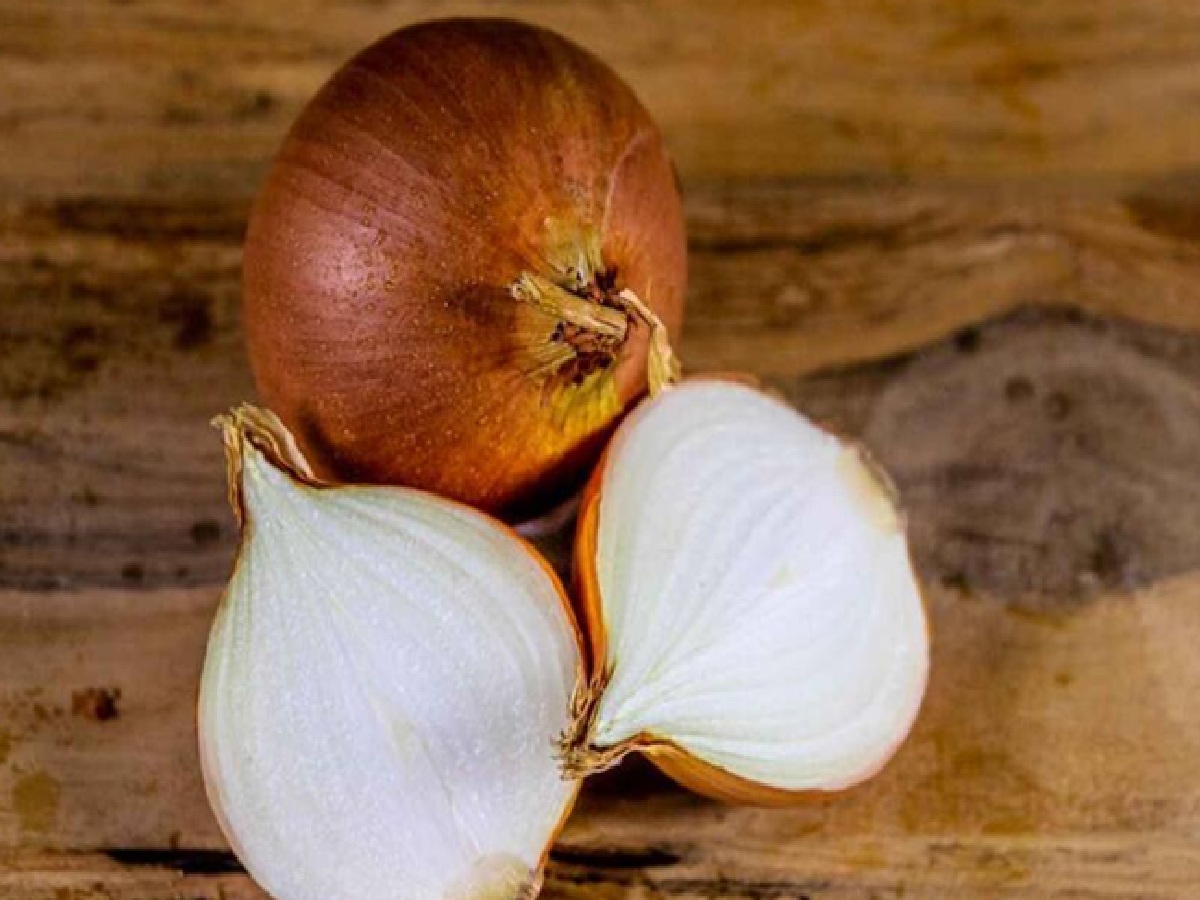
News Topical, Digital Desk : With the arrival of summer, temperatures rise rapidly in many parts of the country. The scorching sun, hot winds, heat waves, and humid weather pose a significant challenge for people. In such a situation, everyone resorts to various measures to keep themselves cool and safe. Some people resort to cold beverages, while others rely on home remedies.
Among these home remedies, a very old and common one is that keeping an onion in your pocket or eating raw onion protects against heat stroke. You may have often heard your elders say this. Recently, this topic was again discussed when a viral video appeared, in which a politician was seen touting onions as a way to prevent heat stroke. But the biggest question remains: can onions really protect against heat stroke, or is this just a traditional belief? So, let's find out whether eating onions really prevents heat stroke and how true this claim is.
What is heatstroke?
Heatstroke occurs when the body temperature rises too high and the body's cooling system (sweating) fails to function properly. This can be a serious condition, with symptoms including dizziness, excessive sweating or no sweating, vomiting or nausea, headache, and even unconsciousness or coma. In such a situation, it is crucial to immediately cool the body and provide water and electrolytes.
Does eating onions really prevent heat stroke?
The belief that keeping onions in your pocket or eating them prevents heatstroke is not scientifically proven. Doctors and medical science believe that heatstroke occurs when the body temperature rises too high and the body is unable to cool itself. Therefore, to prevent it, water, electrolytes, and sun protection are essential. Keeping onions in your pocket is not a reliable way to directly prevent heatstroke, and therefore, it is considered a traditional belief.
How true is this claim?
This claim is not entirely true. Onions aren't a scientifically proven remedy for direct heatstroke, so relying solely on them isn't advisable. However, people consider them beneficial because onions contain water, vitamins C and B6, potassium, magnesium, and quercetin, which help keep the body hydrated, maintain electrolyte balance, and reduce mild inflammation.
Benefits and disadvantages of eating onions
Raw onion can provide some benefits in summer, such as providing a mild cooling effect, improving digestion, and supporting immunity. However, consuming it in large quantities can cause gas, acidity, and bloating. Some people may even find it too hot. Therefore, it's best to consume it in moderation. If the pungency is too intense, soak the onion in water or vinegar before eating it. Ayurveda also considers onion to be a cooling agent, and home remedies such as roasted onion chutneys or juices are recommended.
Easy and effective ways to avoid heatstroke
1. Drink plenty of water throughout the day and also take drinks like coconut water, buttermilk, lassi or mango panna to avoid water and electrolyte deficiency in the body.
2. Eat watermelon, cucumber, seasonal fruits and light food, which will keep the body cool and digestion will also be good.
3. Always wear loose, light and light colored clothes, so that the body gets air and feels less hot.
4. Avoid going out especially between 12 noon to 4 pm, and if it is necessary to go out, then go only after covering your head and face.
5. If you feel dizzy, weak, sweat excessively or like vomiting, then immediately take ORS or salt-sugar water and try to cool the body.
--Advertisement--