desk
desk Share
Share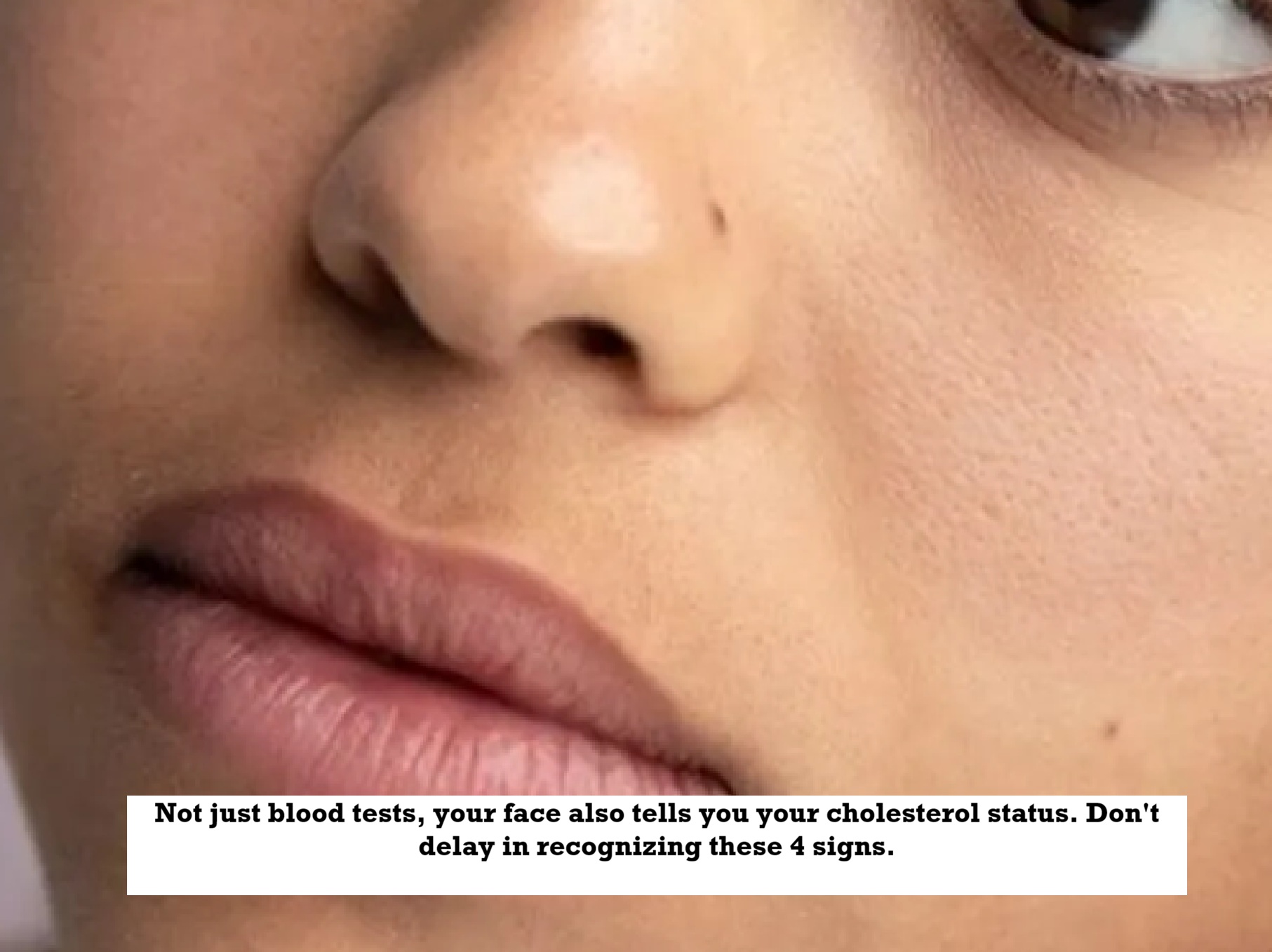
News Topical, Digital Desk : Nowadays, due to changing lifestyles and unhealthy eating habits, the problem of high cholesterol is becoming increasingly common. This problem can often persist in the body without causing any symptoms, but sometimes its effects become clearly visible on our faces.
These signs may seem minor, but ignoring them can be dangerous. Paying attention to them in time can not only prevent heart disease but also help maintain a healthy body. So, let's explore the common symptoms of high cholesterol that appear on your face.
Yellow spots near the eyes
If you start to notice small yellow spots or bumps around the edges of your eyes or eyelids, it could be a sign of high cholesterol. These are called xanthelasma and are caused by cholesterol deposits under the skin.
Frequent acne breakouts on the face
Due to oily skin and blockages, high cholesterol patients may frequently break out in pimples and acne. This indicates a fat imbalance in the body.
Unusual shine or oiliness on the face
If your face starts to become more oily and feels different from your normal skin type, it could be due to increased fat levels in your blood.
White or gray rings around the pupils of the eyes
High cholesterol can sometimes cause a white or gray ring to form around the cornea. This typically occurs with aging, but it's a clear sign of abnormal cholesterol in young people.
Fatigue and dull complexion on the skin of the face
High cholesterol affects blood circulation, causing facial skin to appear dull and pale. It also often leads to fatigue and lethargy.
Frequent dryness and cracking of the lips
If lips frequently become dry, cracked, or appear darker than normal, it may be linked to fat and cholesterol imbalances in the body.
Swelling on the face
Mild puffiness or swelling on the face upon waking in the morning may also be associated with high cholesterol levels. This is particularly noticeable under the eyes.
Caution and protection
- Pay attention to your diet: Avoid oily, fried and junk food.
- Exercise and walk for at least 30 minutes daily.
- 3 Eat more fiber rich foods (oats, fruits, vegetables).
- Avoid smoking and alcohol .
- Get lipid profile tests done regularly.
Read More: Is your child ready for school? Learn from a counselor the 40-day formula for building confidence.
--Advertisement--