desk
desk Share
Share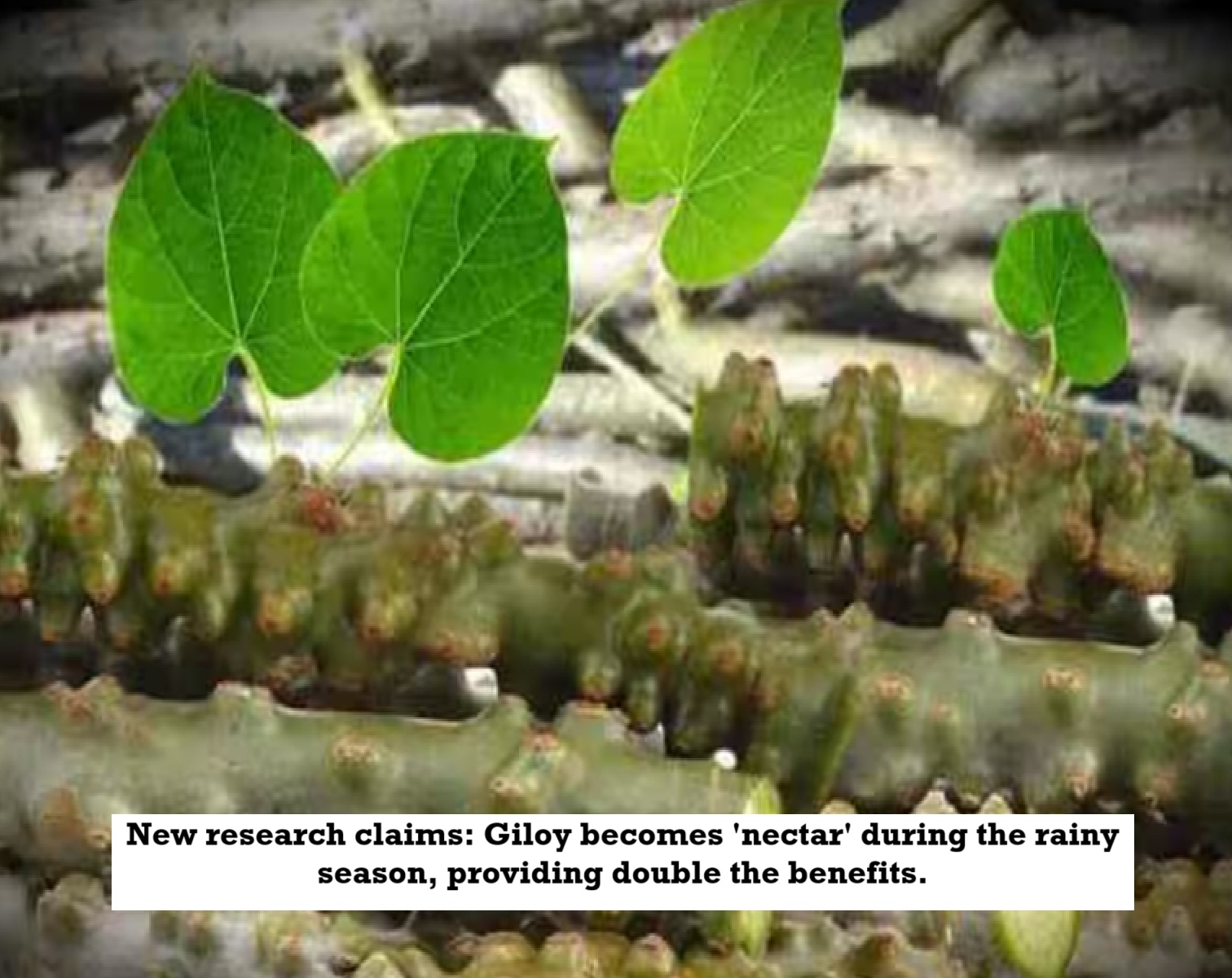
News Topical, Digital Desk : Benefits of Giloy: A recent scientific study has confirmed that the best time to harvest Giloy (Tinospora cordifolia) is during the monsoon season. According to this research, published in BMC Plant Biology, the medicinal properties of Giloy stems are at their peak during the rainy season. This study, conducted by Acharya Balkrishna and his team at Patanjali Research Foundation, has scientifically validated the centuries-old knowledge of Ayurveda.
What does research say?
Scientists at the Haridwar-based Patanjali Research Foundation conducted research on giloy plants for 24 consecutive months, from 2022 to 2024. They collected giloy stem samples every other month and analyzed them using modern techniques (UHPLC-PDA and HPTLC). The results revealed that the concentrations of giloy's three key bioactive compounds—cordifolioside A, magnoflorin, and beta-ecdysone—were highest in August.
Uses of Giloy
The study also found that the concentration of these beneficial elements in giloy is lowest during the winter season, especially between December and February. However, the concentration remains moderate during spring and summer. This finding is important because giloy is used to treat a variety of ailments, including fever, boosting immunity, and reducing inflammation. If giloy is harvested in the right season, the medicines made from it will prove more effective.
Combination of Ayurveda and Science
A blend of Ayurveda and science: Ayurveda has always believed that there is a specific time for harvesting herbs. Ancient texts recommend collecting stem-based herbs during the rainy season or spring. This new scientific research has proven this traditional Indian knowledge correct. Scientists say that the rain and temperature during the monsoon activate the plants' defense mechanisms, increasing the production of medicinal compounds.
This research is beneficial not only for pharmaceutical companies but also for common people who use Giloy as a home remedy.
--Advertisement--