desk
desk Share
Share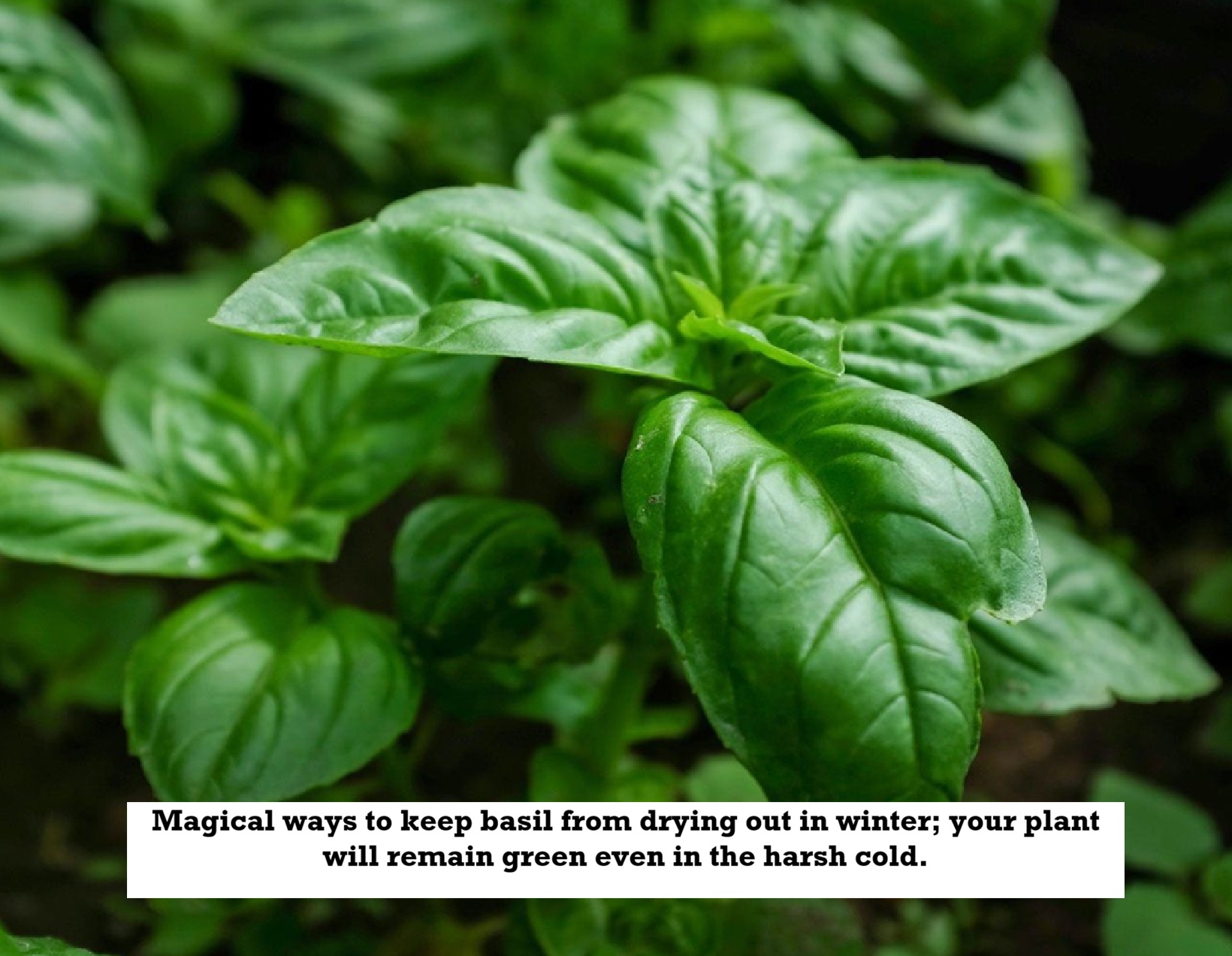
News Topical, Digital Desk : In Hinduism, the Tulsi plant is not just a plant, but is considered the foundation of happiness, prosperity, and positivity in the home. However, as winter approaches, the wilting or drying of Tulsi becomes a cause of concern for many. The harsh cold and frost take a heavy toll on this sensitive plant. If you want to protect your Tulsi from wilting and keep it growing thickly, a few simple gardening tips can help.
Is it right to cut dry branches?
People often fear pruning basil due to religious beliefs . However, the truth is that removing dead branches is essential for the plant's health. If you don't prune dead branches, they continue to sap the plant's remaining energy. When you remove these branches, new, healthy branches will sprout from the area, making the plant even denser.
5 most important winter care tips:
Proper watering rules: Plants require less water in winter. Don't water until the top layer of soil appears completely dry. Excessive moisture can cause root rot.
Sunlight management: Basil requires plenty of sunlight for its vitality. Try to ensure the plant receives at least 4 to 6 hours of direct sunlight each day.
Protection from the cold: Night dew and frost can darken basil leaves. To prevent this, cover the plant at night with a thin cotton scarf or cloth.
Let go of the attachment to the inflorescence: The seeds (manjari) that appear on basil shorten the plant's lifespan. As soon as the inflorescence begins to dry out, it should be removed so the plant's energy can be focused on growing new leaves.
Weeding: Lightly weed the potting soil once a week. This provides air to the roots and keeps the plant healthy. Also, apply organic fertilizer once a month.
--Advertisement--