desk
desk Share
Share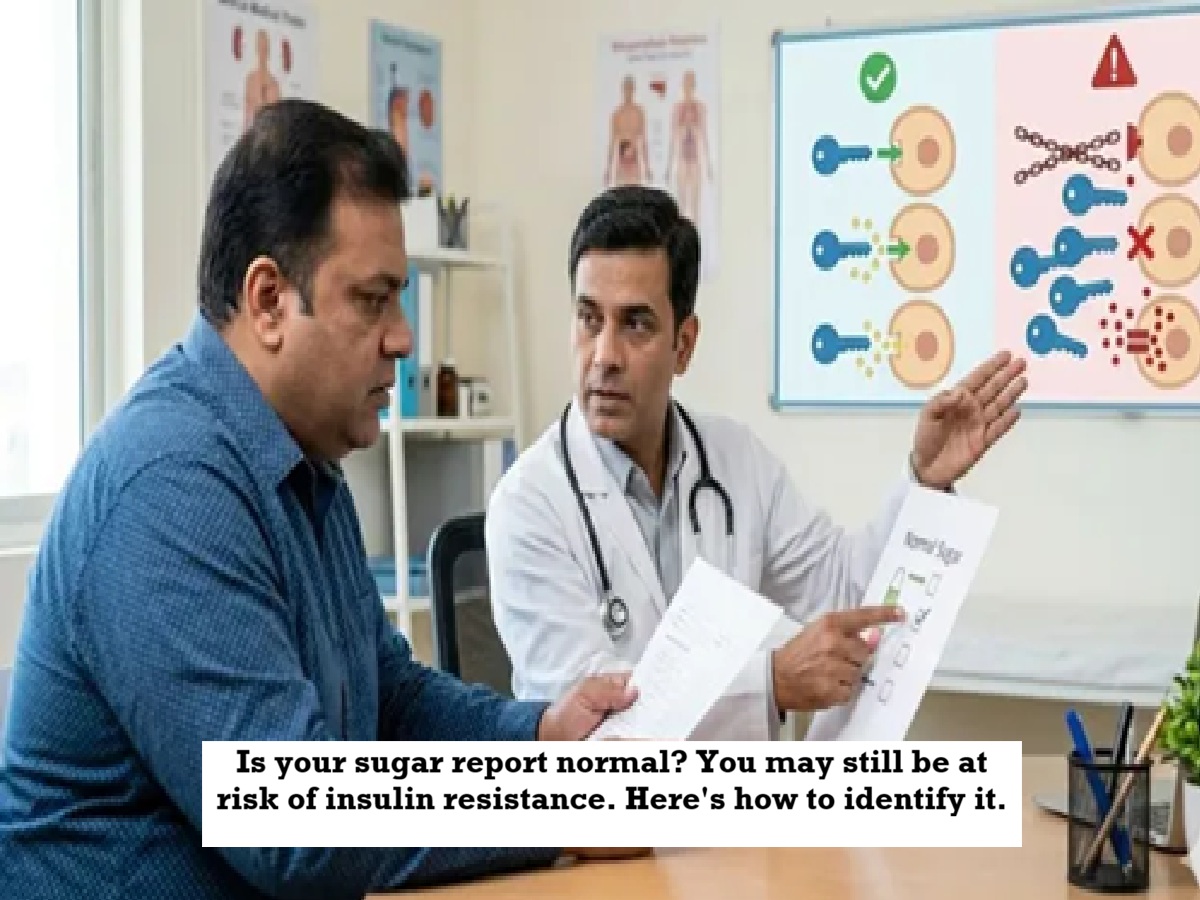
News Topical, Digital Desk : Often, we become complacent when we see normal fasting blood glucose (FBG) and HbA1C levels in our blood sugar reports.
Even if your reports are normal, the problem of 'insulin resistance' may develop within your body, which is a sign of serious diseases in the future.
If the HbA1C level is more than 5.7, then be careful
Before developing diabetes, the body goes through a stage of "pre-diabetes ." If your fasting sugar is between 100 and 125 mg/dL or your HbA1C level is between 5.7 and 6.4, it is considered pre-diabetes. People with this condition have a significantly increased risk of developing type 2 diabetes and heart disease in the future.
What is insulin resistance?
Insulin resistance is a condition in which the body's cells don't respond properly to the hormone insulin. Surprisingly, this problem can exist even if your blood sugar (FBG and HbA1C) reports appear completely normal. Therefore, checking your blood sugar levels alone isn't a complete measure of your health.
How to calculate it?
There are certain methods and formulas used to detect insulin resistance:
- HOMA-IR: This is the most common way to measure insulin resistance. It requires fasting serum insulin and fasting blood glucose values. A HOMA-IR score greater than 2 indicates insulin resistance.
- TG/HDL ratio: The ratio of triglycerides (TG) to HDL in your cholesterol report is also very telling. If this ratio is greater than 2, it is considered a marker of insulin resistance.
- TyG Index: Triglyceride Glucose (TyG) index greater than 4.7 also indicates that the problem of insulin resistance has started in the body.
Doctor's advice
If your blood test shows signs of insulin resistance, it's important to take appropriate action instead of panicking. Consult your doctor and a qualified dietitian first.
The good news is that it can be largely reversed through lifestyle changes. A healthy and balanced diet, regular exercise, and weight control can improve insulin sensitivity.
--Advertisement--