desk
desk Share
Share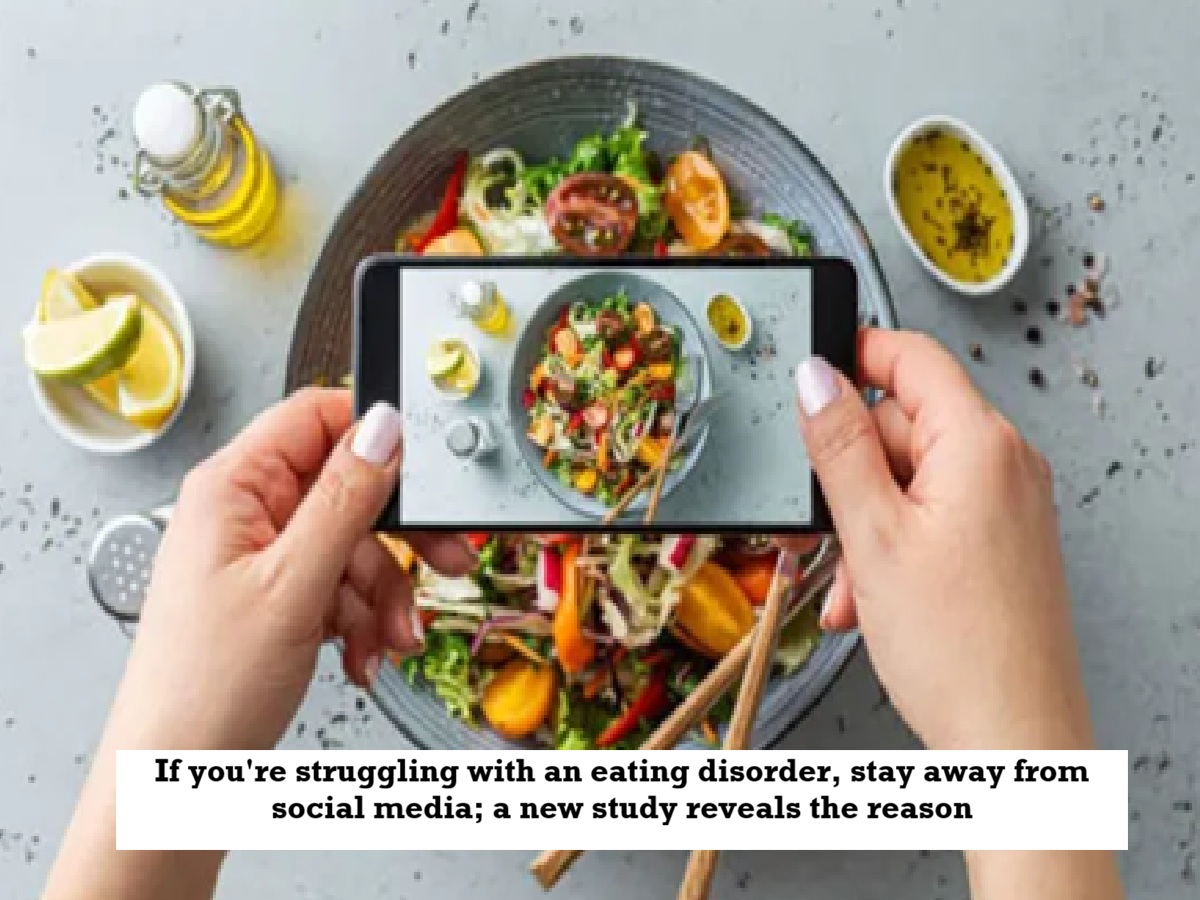
News Topical, Digital Desk : For someone trying to overcome a serious problem like an eating disorder, internet media can become a bigger threat than a helpful friend. A recent study recommends that people struggling with this disorder should stay away from internet media. People often turn to online platforms for support and inspiration while recovering from this illness, but this step can backfire.
The Pretense of a 'Perfect' Life and Misinformation
Every day, countless misleading and inaccurate information about diet, nutrition, and weight loss spreads rapidly on the internet. When someone with an eating disorder sees this information, it creates immense confusion. Furthermore, seeing the "perfect" and glamorous lives of others online can lower people's self-esteem and lead to depression. This mental pressure worsens their eating habits rather than improving them
Help-seeking and the web of recommendation systems
The study also revealed that patients typically search the internet for people or content that has experienced similar illnesses and is now healthy. To improve their health, they follow positive accounts and block negative or misleading content. Unfortunately, the recommendation systems on these platforms often lure them back into the trap they were trying to escape. Despite blocking, the system continues to show them images and posts about weight loss and fitness.
Interrupting Recovery
Study participants shared that repeated exposure to this type of fitness and weight loss content significantly hinders their recovery process, reinforcing unhealthy thinking and old eating patterns
This study primarily highlights how people experience internet media during recovery and the challenges they face. While this study does not claim that internet media is the primary cause of eating disorders, or that viewing certain content directly causes relapse, it is clear that it can be a significant obstacle during recovery.
--Advertisement--