desk
desk Share
Share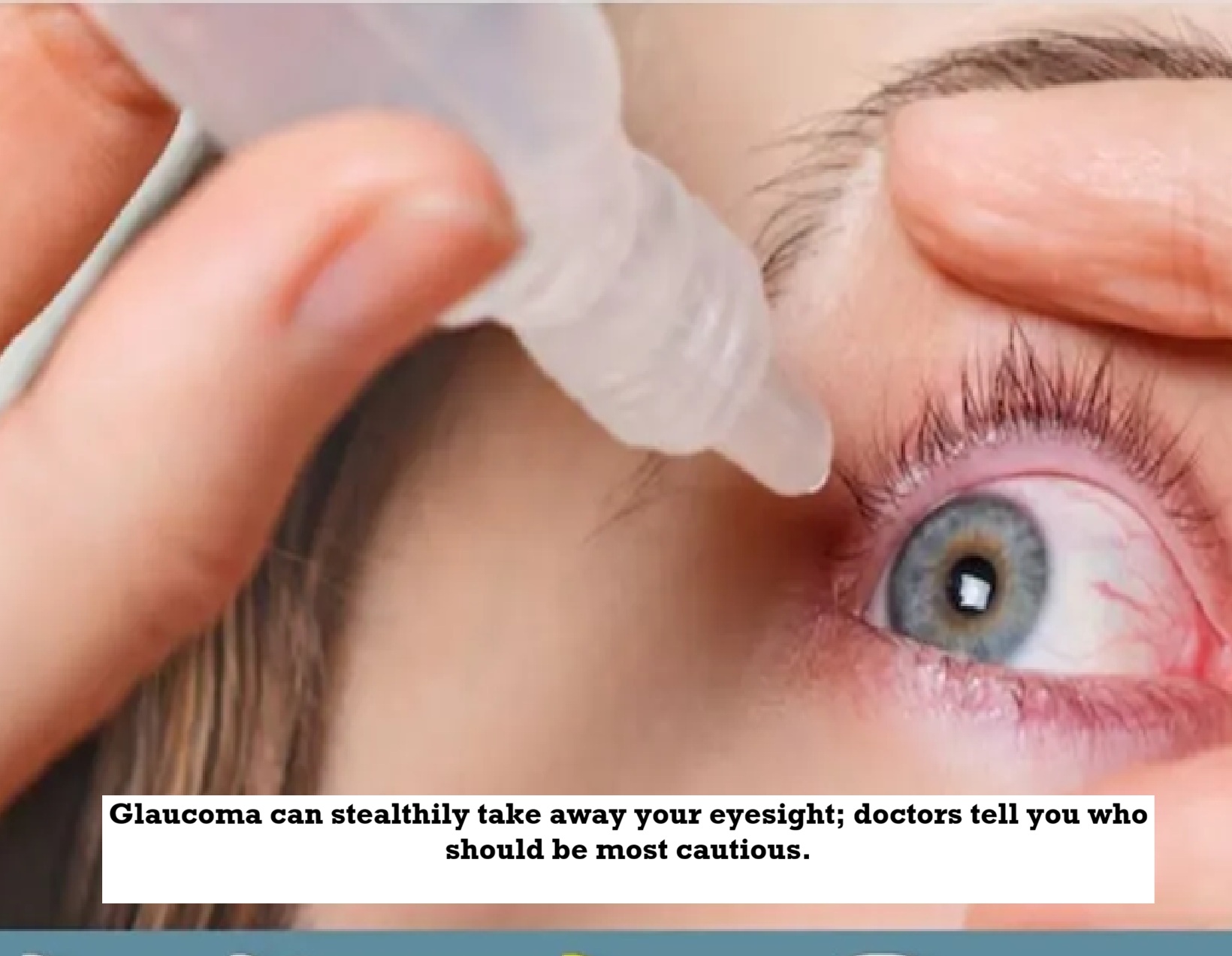
News Topical, Digital Desk : Glaucoma, commonly known as "black cataract," is a serious eye condition that damages the optic nerve. It's often called the silent thief because it doesn't show any obvious symptoms in its early stages.
Therefore, if it's not detected early, it can lead to permanent blindness. To raise awareness about this issue, January is celebrated as Glaucoma Awareness Month every year.
What are the symptoms of glaucoma?
The most dangerous aspect of glaucoma is that most patients don't notice it until their vision has deteriorated significantly. Its symptoms can be classified according to the stage:
Beginner and intermediate stage
- No symptoms – Initially there is no pain in the eyes nor any sudden change in vision.
- Decreased peripheral vision: Peripheral vision, or side vision, begins to diminish first. The patient can see things clearly in front of them, but the surrounding area appears blurry or dark.
- Decreased contrast – It becomes difficult to distinguish between colors and shadows.
- Feeling of darkness – The patient may feel as if the light around them has reduced.
Acute Stage
When eye pressure increases rapidly, the following symptoms appear:
- Severe pain and redness in the eyes.
- Severe headache and nausea.
- Seeing rainbow-like halos around lights.
- Sudden blurring of vision.
Advanced Stage
- If left untreated, tunnel vision (only a small part of the front view) can develop and then vision can be completely lost.
What are the risk factors for glaucoma?
Although anyone can develop glaucoma, some people are at higher risk.
- Family history – If someone in your family has glaucoma, your risk increases significantly.
- Age: People over 40 years of age are at higher risk.
- Eye diseases- People with high myopia are at risk.
- Medical conditions – People suffering from diabetes, high blood pressure and heart diseases should get regular checkups done.
- Steroid use – Long-term use of steroid eye drops or medications can increase eye pressure.
- Injury or surgery – Old eye injuries or repeated eye surgeries can also cause glaucoma.
What to do for protection?
- The damage caused by glaucoma is irreversible, meaning that vision lost cannot be restored. Therefore, early detection is the only protection.
- After the age of 40, get your eye doctor to do a 'pressure check' and 'fundus check' at least once a year.
--Advertisement--