desk
desk Share
Share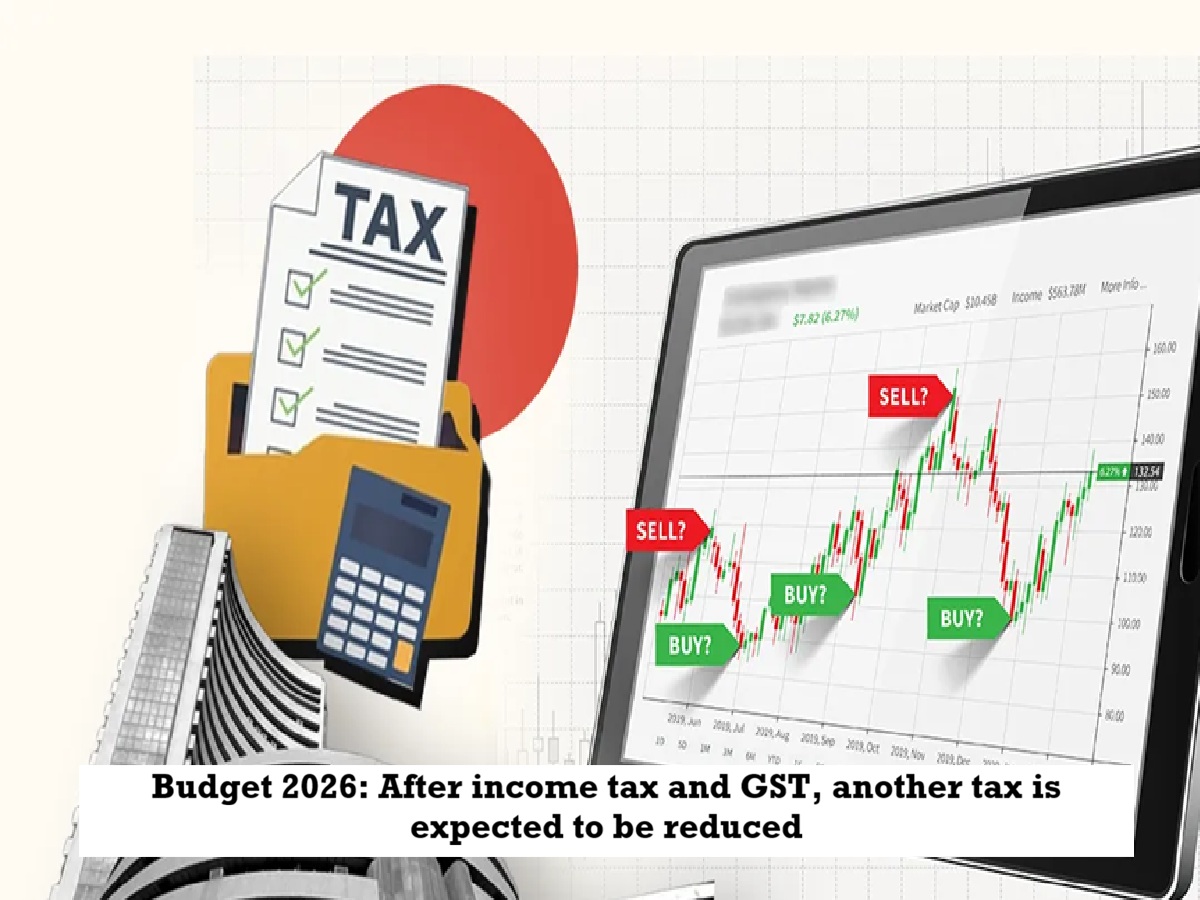
News Topical, Digital Desk: As the date for Budget 2026 approaches, various speculations are emerging regarding the budget. In this context, news has emerged that the government may offer significant relief to investors and traders in the stock market. According to an ET report, the government is considering options to ensure a steady flow of funds into the stock market; sources say that reducing the Special Tax (STT) in the cash segment is being considered.
STT, or Security Transaction Tax, is a type of tax levied on trading in the stock market. Let us explain the current STT applicable on buying shares.
What is the government's plan on STT?
According to sources, the government is considering several options to encourage foreign investment in the stock market. This could include reducing the securities transaction tax . The government is also considering tax-free status for pension and endowment fund investments.
What is Securities Transaction Tax (STT)?
Securities Transaction Tax (STT) is a direct tax levied on the purchase and sale of shares of companies listed on the stock exchange. This tax was introduced in 2004. Its primary purpose was to prevent capital gains tax evasion and facilitate tax collection for the government.
How does STT work?
Securities Transaction Tax is deducted by the stock exchange at the time of buying and selling shares.
Whether you make a profit from buying and selling shares or not, STT is levied. This tax applies to both equity and futures and options trades.
What are the STT rates?
STT rates change from time to time. There was a slight increase in 2023, and there have been no major changes since then.
- 0.1% on purchase and sale of equity shares
- 0.02% on the total value of the futures trade
- 0.1% on the total value of the options trade
Read More: Mutual Fund giving 18.47% return in 5 years, is now the right time to invest?
--Advertisement--