desk
desk Share
Share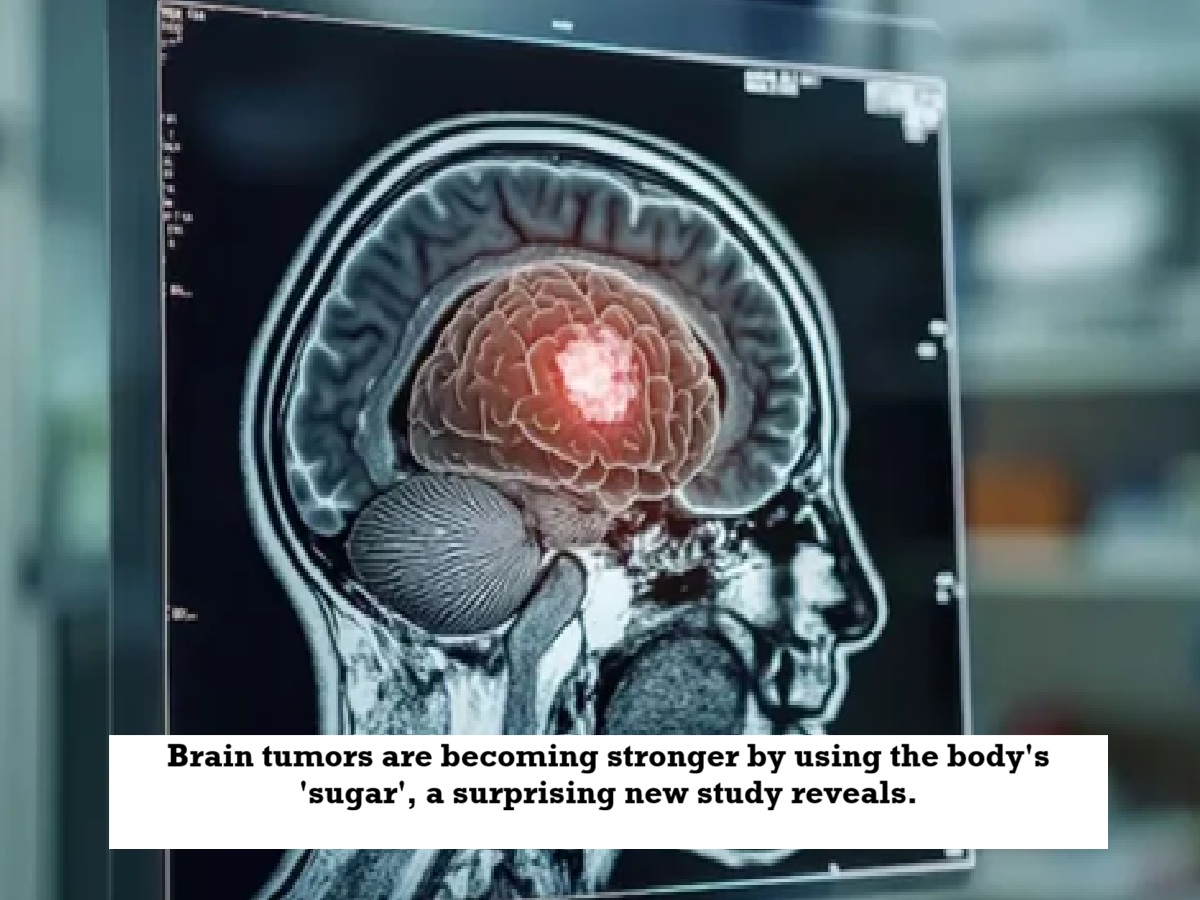
News Topical, Digital Desk : Imagine someone using your household food to boost their strength and then attacking you. Glioblastoma is one such enemy. It is a form of brain tumor that develops in the brain and spinal cord and grows very rapidly.
A study published in the Proceedings of the National Academy of Sciences (PNAS) on brain tumors has surprised even scientists. According to this research, glioblastomas grow rapidly by exploiting our body's sugar metabolism.
How does sugar become a weapon for tumors?
Our bodies typically use fructose as a source of energy, but in the case of glioblastoma, it's becoming a death trap. According to research, this tumor absorbs fructose from the body. This not only accelerates tumor growth but also weakens our immune system.
In this process, our brain's fighter cells, called microglia, inadvertently become tumor-supporting. Microglia are the immune cells in our brain that protect us from disease, but this research found that only these cells have the ability to break down fructose.
Glut5 becomes the pathway to tumors
Microglia cells contain a transporter called Glut5. This transporter is responsible for bringing fructose into the cells. When fructose enters the cells, it weakens the immune system and provides the tumor with the energy it needs to thrive.
When scientists tested this on mice and removed this Glut5 transporter from their bodies, the results were surprising-
- The tumor growth almost completely stopped.
- The body's immune system became active again.
- Cancer-fighting T-cells began to grow rapidly.
- The amount of inflammatory cytokines in the body increased, which intensified the attack on the tumor.
New hope for treatment
This is the first time science has demonstrated how sugar metabolism contributes to cancer growth by suppressing the immune system. This discovery opens a new avenue for future treatments. If we succeed in blocking this fructose pathway, advanced techniques like immunotherapy will prove much more effective for patients.
Read More: Heart Fights Cancer: A beating heart means it's fighting cancer, a new study raises hope
--Advertisement--