desk
desk Share
Share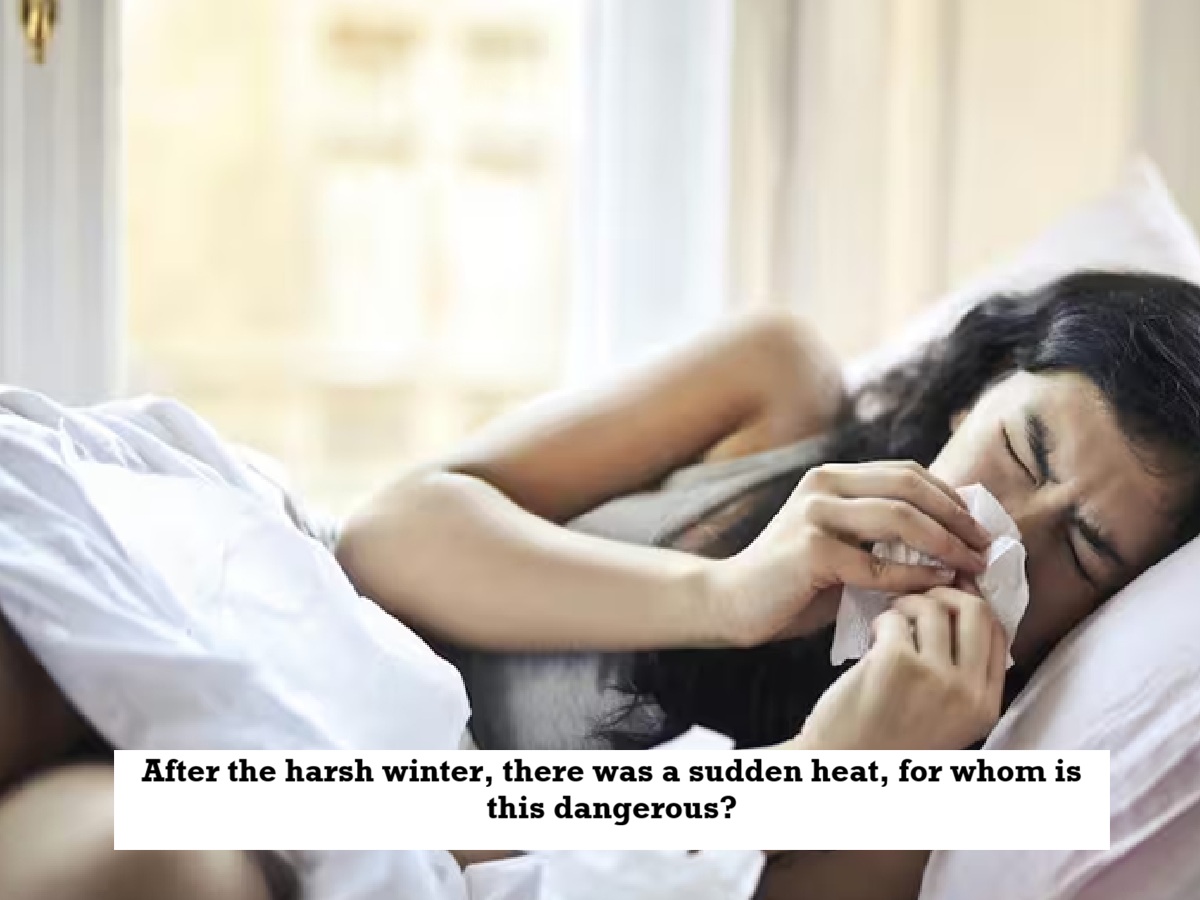
News Topical, Digital Desk : How Weather Change Affects Health: The weather has changed in North India. After a bitterly cold winter in many states, including the capital Delhi, the weather is now becoming warmer with the sun shining during the day. With afternoon heat and evening cooling, temperatures are fluctuating frequently. January 21st was recorded as the hottest day in Delhi in six years. Doctors say this fluctuating weather can impact people's health.
will affect the body
The body has to adjust to the changing weather. Many people's bodies are unable to fully cope with these changes, leading to various problems. Taking precautions in advance can help prevent complications such as viral infections, bacterial infections, allergies, and dehydration.
What diseases are at risk?
Dr. Santosh Kumar, Director of Sanjivani Hospital, Darbhanga, explains, "With the change in weather, many problems arise, such as a sudden increase in cases of viral fever and flu. This happens because our immunity is affected and weakened during the change of seasons. This increases the risk of viruses. During this time, some people experience headaches, fatigue, body aches, fever, and throat problems. Children and the elderly are most affected. The risk of bacteria is also higher during this season, which leads to an increase in cases of various infections."
The problem increases as the temperature rises
As temperatures rise, the risk of allergies and respiratory problems increases. This is because not only does the weather change, but dust, smoke, and pollutants also become active in the air, triggering these problems. During this time, people may experience increased breathing problems, runny noses, persistent sneezing, allergic rhinitis, and asthma.
How to take care of your health during the changing seasons
Doctors say that some lifestyle changes can help protect yourself during this season.
- Drink plenty of water and take lukewarm liquids if you have throat irritation.
- Eat fresh and nutritious food
- Layer your clothes to adapt to the temperature.
- Avoid direct contact with cold air after sweating
- Consult a doctor if the fever or cough does not subside within a few days.
Doctors say that with these small precautions, diseases can be avoided in the changing weather and immunity can be kept strong.
--Advertisement--