desk
desk Share
Share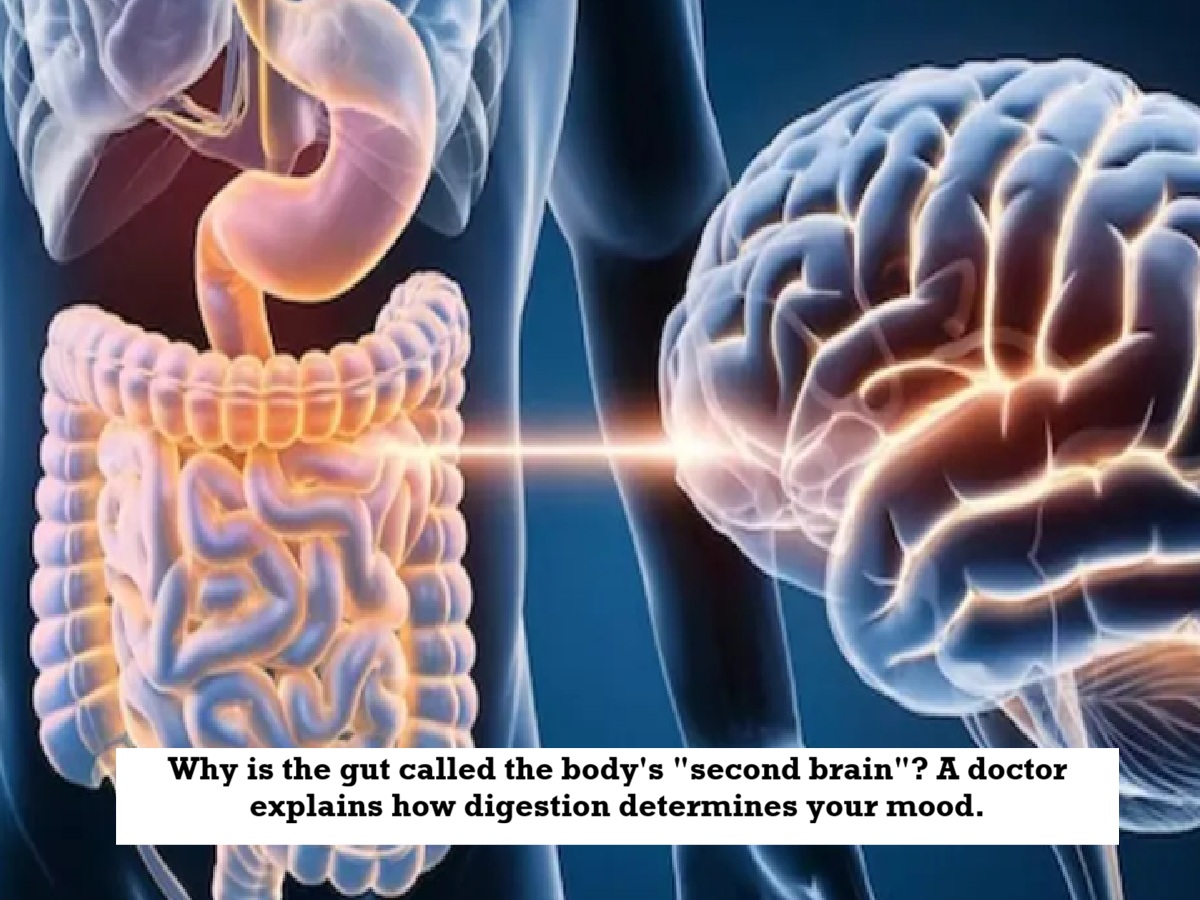
News Topical, Digital Desk : We often hear the saying "As is your food, so is your mind," but science knows this as the gut-brain axis. This is a two-way communication system between our brain and digestive system. This means that not only does our brain send signals to our stomach, but our stomach also sends signals back to our brain.
Gut health is called the 'second brain'
Do you know why our gut is called our second brain? It's because our intestines contain over 100 million nerve cells, which is more than the spinal cord.
A healthy gut is the foundation of a healthy mind. Approximately 90% of our body's serotonin (known as the "feel-good" hormone) is produced in our gut. Furthermore, the gut also helps regulate chemicals like dopamine and GABA, which are responsible for keeping us motivated and calm.
The bacteria that determine our mood
There are trillions of bacteria living inside our intestines, called the gut microbiome.
- Good bacteria: These help digest food, reduce inflammation, produce vitamins, and send positive signals to the brain.
- Dangers of imbalance: If the balance of bacteria in the gut is disturbed, it can be directly linked to anxiety, depression, stress, 'brain fog' and sleep problems.
Stress and the stomach cycle
Doctors say that stress not only affects our brain but also directly affects our stomach. You may have often felt:
- Strange movements in the stomach before the exam
- Stomach pain when anxious
- Loss of appetite during stress
- Problems like constipation or diarrhea
Chronic or persistent stress can alter gut bacteria , increase inflammation, and weaken the gut. When the gut is unhealthy, it sends distress signals to the brain, exacerbating anxiety and depression. This creates a vicious cycle between stress and gut health.
Easy ways to improve your health
The good news is that we can improve both our gut and mental health by making small changes to our everyday habits:
- Healthy diet: Eat fiber-rich foods like vegetables, fruits, and whole grains. Include fermented foods like yogurt, kefir, and kimchi in your diet. Avoid processed foods and excess sugar.
- Lifestyle changes: Try breathing exercises and meditation to reduce stress. Get enough sleep and stay physically active.
- Mindful eating: Eat slowly and avoid eating when you are very stressed.
Read More: Feeling stressed for no reason? Are you a victim of 'secondhand stress'? Learn how to prevent it.
--Advertisement--