desk
desk Share
Share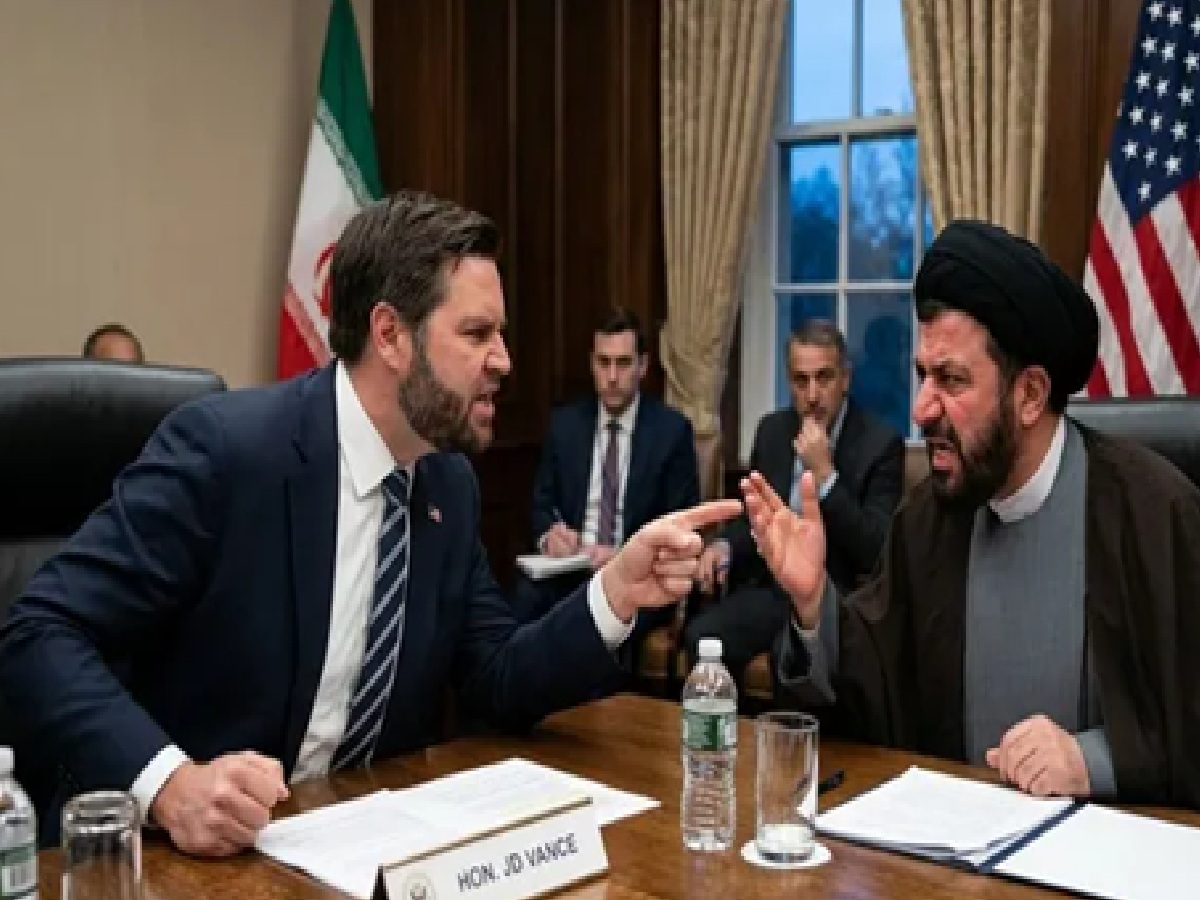
News Topical, Digital Desk : Twenty-one hours of peace talks between Iran and the United States in Pakistan's capital, Islamabad, ended inconclusively. Despite the highest-level diplomatic effort in decades, the two sides failed to bridge deep differences. However, both sides indicated they would continue talks in the future.
But the question remains: what happened during the ongoing peace talks in Islamabad that led to the failure of the negotiations? Let's explore five key reasons for the failure of the Iran-US peace talks, which dashed the hopes of the Middle East.
1. Differences over Iran's nuclear program
At the peace talks in Islamabad, the US demanded concrete guarantees that Iran would not develop nuclear weapons. The US called for strict restrictions on enrichment and related equipment, but Tehran opposed this, calling it an excessive restriction on its sovereign rights, and refused to accept the US proposal.
2. Dispute over seized properties
Iran has demanded the release of seized assets held abroad, including funds held in Qatar and other countries, as part of any agreement. However, US officials have refused to agree to such terms, highlighting a clear gap in expectations over economic concessions.
3. Tensions over the Strait of Hormuz
Control of the Strait of Hormuz emerged as a key point of contention during the talks in Islamabad, with Iran demanding greater rights, including the ability to collect transit fees, while the US insisted on ensuring unhindered global cargo movement through the Strait.
4. Iran's extensive demand
Iran broadened the scope of the talks by demanding reparations for war damages and a complete ceasefire in the entire region, including Lebanon. While the US remained focused on nuclear sanctions and maritime security, this created dissonance in the ongoing talks between the two countries.
5. Lack of trust
Tensions fluctuated and mutual distrust ebbed during the US-Iran talks in Pakistan. Both sides accused each other of intransigence, further escalating the conflict. Currently, significant differences remain between the two sides, and the truce remains fragile.
--Advertisement--