desk
desk Share
Share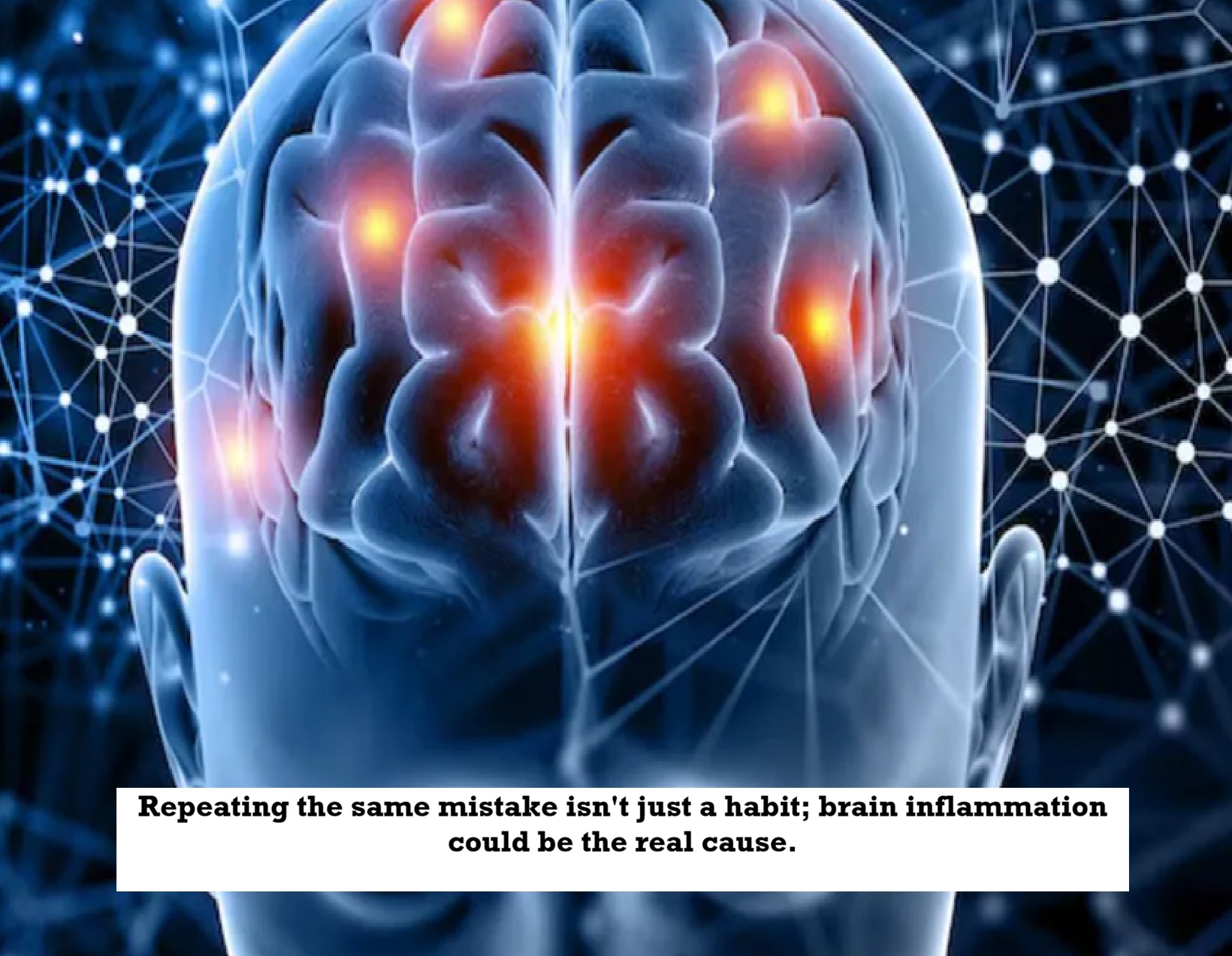
News Topical, Digital Desk : We often see people repeating the same tasks over and over again, such as repeatedly washing their hands or gambling. Until now, this was considered merely a "habit cycle," but new research has changed this perception. A study conducted on rats has shown that inflammation in a particular part of the brain may be a major reason behind such compulsive behavior.
Why is it difficult to give up habits?
According to Lara Bradfield, a researcher at the University of Sydney, behaviors in which people repeat actions despite knowing the negative consequences often stem from long-held and ingrained habits. This is why it's so difficult for people to overcome them and regain intellectual control. They know it's wrong, yet they can't stop.
Autopilot mode and our brains
Habits are generally useful. They allow our brains to operate on "autopilot mode." For example, when we brush our teeth in the morning or drive a familiar route, we don't have to think much. Our brains do these tasks automatically.
However, when we're driving and a child suddenly appears in front of us, the situation changes. We have to immediately become aware of our surroundings. This is called regaining cognitive control, where we think about the potential consequences and change our behavior.
A unique experiment on rats
To test this theory, scientists conducted an experiment on mice. They induced inflammation in a part of the mice's brain called the striatum. The striatum is the region of the brain responsible for motor control, habit formation, and motivation. The researchers hypothesized that inflammation would strengthen the mice's habits and make them act without thinking.
The results were surprising
The results of this study were quite different from what was expected. The researchers found that inflammation in this part of the brain shifted the behavior of mice from being dependent on habits to being more "deliberate" and "effortful decision-making." That is, instead of making them slaves to habits, the inflammation made their behavior more conscious and decisive. This discovery provides a new perspective toward understanding compulsive behavior.
Read More: Morning Heel Pain: You feel pain in your heels as soon as you wake up in the morning.
--Advertisement--