







Proper Disposal and Astrological Rules for Used Diwali Diyas
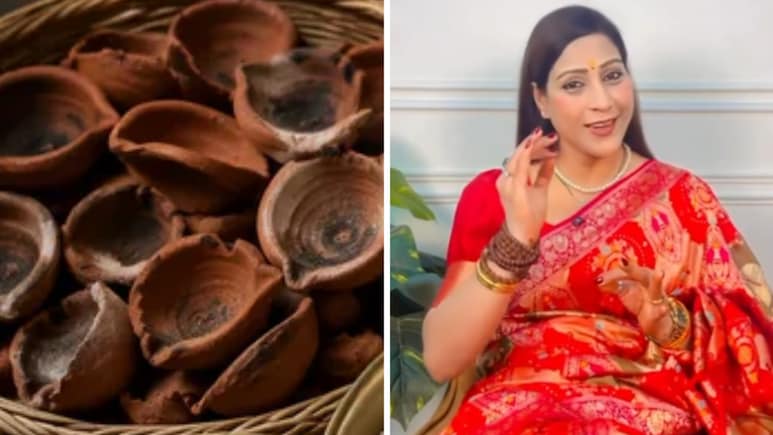
The glittering celebrations of festivals like Diwali and Devuthani Ekadashi often leave homes illuminated with hundreds of earthen lamps, known locally as diyas. Once the festive lights dim and the celebrations conclude, households are left wondering what to do with the leftover clay lamps. Tossing sacred items directly into the household garbage bin or municipal waste dump is often discouraged by traditional beliefs and Vastu guidelines. Because earthen diyas are lit in honor of Goddess Lakshmi and Kuber to attract wealth and positivity, handling them correctly requires mindfulness, respect, and adherence to specific astrological customs.
The Religious and Astrological Significance of Earthen Diyas
In Hindu culture and Vastu Shastra, an earthen lamp is far more than a simple piece of baked clay. It represents the fire element (Agni), which cleanses negative energies and invites divine prosperity into the home. Once a diya is lit during sacred rituals, it absorbs high-vibrational spiritual energy. Astrologers note that discarding these sacred items casually or mixing them with household trash disrespects the spiritual energy associated with them, potentially inviting negative planetary influences or financial stagnation according to traditional beliefs.
Can You Reuse Used Diyas for Future Pujas?
A common question among households is whether clay diyas can be stored and reused for subsequent festivals. Astrologers and ritual experts clarify that clay lamps that have absorbed oil and ghee during major rituals are generally considered khandit or used, meaning their primary ritual lifecycle is complete.
-
Clay Diyas: Plain, unpainted clay diyas used for primary altar worship on Diwali night should ideally not be reused for the main deity installation next year. However, intact unpainted diyas can be cleaned, washed, and repurposed for everyday balcony lighting, garden decoration, or general evening illumination.
-
Metal Diyas: Lamps crafted from brass, silver, copper, or bronze are non-porous and can be thoroughly scrubbed with lemon, tamarind, or pitambari powder to be reused across generations for all future rituals.
Respectful Ways to Dispose of Worn-Out Clay Diyas
If your earthen diyas are cracked, chipped, or heavily coated with soot and cannot be reused, throwing them directly into the garbage bin should be avoided. Instead, practitioners recommend two primary eco-friendly and spiritually aligned disposal methods:
-
The Soil Immersion Method: The most respectful way to return clay diyas to the earth is through soil integration. Soak the clean, soot-free diyas in water until they soften, crush them gently into smaller particles, and mix them directly into your home garden beds or potted plants. Because clay originates from the earth, returning it to the soil honors natural cyclical principles.
-
Creative Upcycling: If the diyas are structurally sound, many households engage children in painting them with vibrant acrylic colors, converting them into decorative tealight holders, or utilizing them as mini planters for indoor succulents.
Practical Steps for Cleaning and Storing Festive Remains
Before deciding whether to store, upcycle, or dispose of your festive items, proper cleanup is essential. Allow all lamps to cool completely before handling. Carefully remove leftover cotton wicks and dispose of hardened oil or ghee residue responsibly. Wipe away loose soot using paper towels before washing reusable metal pieces or soaking clay items. By following these mindful practices, households maintain a harmonious balance between honoring age-old traditions and maintaining a clean, clutter-free living environment.




