







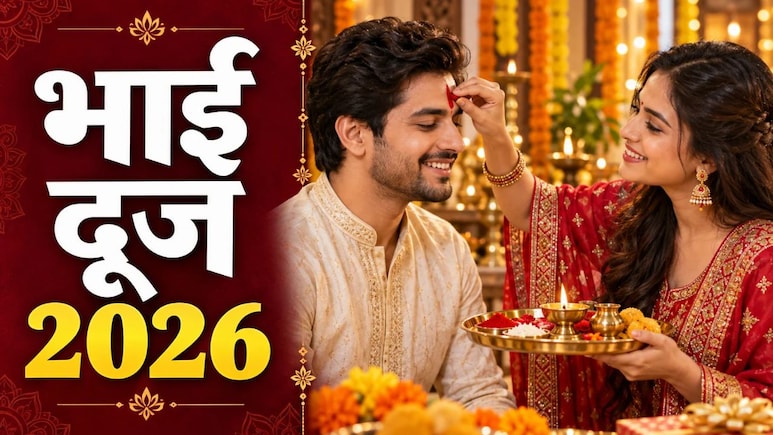
Bhai Dooj 2026: Date, Shubh Muhurat and Tilak Timings
The festival of Bhai Dooj marks the joyous conclusion of the five-day Diwali celebrations, celebrating the sacred, lifelong bond between brothers and sisters. Falling on the Shukla Paksha Dwitiya tithi of the Kartik month, this cherished occasion brings families together as sisters pray for the health, prosperity, and longevity of their brothers. Knowing the exact date, auspicious afternoon timings, and traditional rituals ensures that households perform the ceremonies according to proper astrological guidelines.
Bhai Dooj 2026 Date and Auspicious Tilak Timing
For this year, the festival is observed on Wednesday, November 11, 2026. While the Dwitiya tithi begins on the afternoon of November 10, the primary rituals, including applying the tilak and sharing a festive meal, are traditionally performed during the afternoon Aparahna period when the tithi prevails.
-
Date of Celebration: Wednesday, November 11, 2026
-
Bhai Dooj Tilak Shubh Muhurat: 1:10 PM to 3:20 PM (Duration: 2 hours 10 minutes)
-
Dwitiya Tithi Timings: Begins at 2:00 PM on November 10 and concludes at 3:53 PM on November 11, 2026.
Because muhurat calculations can vary slightly depending on geographical location and sunrise timings, families are encouraged to verify local Panchang variations before finalizing their schedules.
Step-by-Step Puja Vidhi and Rituals
The celebration of Bhai Dooj involves simple yet deeply meaningful customs centered around warmth, affection, and familial harmony:
-
Preparing the Thali: Clean the puja space and set up a decorated thali containing roli (kumkum), unbroken rice grains (akshat), flowers, an earthen oil lamp (diya), and traditional sweets.
-
The Tilak Ceremony: Seat the brother facing east or north on a clean wooden stool or mat. The sister applies a sacred tilak of roli and rice grains on his forehead, wishing him safety, success, and long life.
-
Aarti and Prayers: Light the diya and perform a brief aarti, offering prayers for his well-being. In many regional traditions, sisters observe a brief fast until the tilak and prayers are successfully completed.
-
Exchange of Gifts and Feasts: Brothers reciprocate the affection by presenting gifts or tokens of appreciation, followed by a shared family meal featuring traditional delicacies.
Historical and Cultural Significance
Also known as Yama Dwitiya, the festival has ancient mythological roots linked to Yamraj (the God of Death) and his sister Yamuna. According to legend, Yamuna invited her brother to her home on this day, offering him hospitality and a sacred tilak. Touched by her gesture, Yamraj declared that any brother who receives a tilak from his sister on this day shall be blessed with protection and longevity. Across different states, the festival goes by unique regional names—such as Bhau Beej in Maharashtra, Bhai Phonta in West Bengal, and Bhai Tika in Nepal—while retaining its core message of love and familial duty.




