







Alternative Names of Chhath Puja Across India
The four-day festival of Chhath Mahaparv is one of the most sacred and culturally rich celebrations in India, dedicated primarily to the worship of Lord Surya (the Sun God) and Chhathi Maiya. Originating deeply within the ancient Vedic traditions of regions like Bihar, Jharkhand, and eastern Uttar Pradesh, the festival has expanded its footprint globally wherever diaspora communities reside. While universally recognized as Chhath Puja, the festival is referred to by several distinct traditional names based on regional customs, ritual practices, and astrological associations.
Dala Chhath and Dala Puja: The Significance of Bamboo Baskets
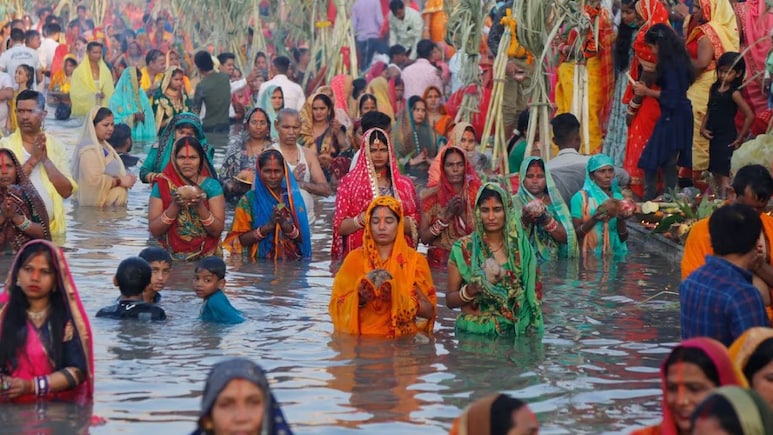
One of the most common alternative names for the festival is Dala Chhath or Dala Puja. This nomenclature stems directly from the central role played by the dala or daura—a traditional handcrafted bamboo basket used by devotees. During the third and fourth days of the festival, worshippers arrange offerings such as thekua, seasonal fruits, coconuts, and deep-red sugarcane inside these bamboo baskets before carrying them on their heads to riverbanks and water bodies. Because the entire ceremonial presentation centers around these sacred baskets, local communities frequently use the name Dala Chhath.
Surya Shashthi and Ravi Shashthi: Astrological Roots
From a scriptural and astrological standpoint, the festival is formally known as Surya Shashthi or Ravi Shashthi. The observance falls strictly on the Shashthi tithi (the sixth day) of the bright fortnight (Shukla Paksha) in the Hindu month of Kartik (and occasionally during Chaitra). Because the day is exclusively dedicated to propitiating Lord Surya—often addressed as Ravi—ancient texts and lunar calendars formally classify the rigorous rituals under the title of Surya Shashthi, emphasizing the divine solar energy that sustains life on Earth.
Kartik Chhath and Chaiti Chhath: Seasonal Distinctions
Depending on the time of year it is observed, the festival takes on seasonal titles. Kartik Chhath is the primary, grand-scale celebration held in the autumn month of Kartik (corresponding to October or November), drawing millions of participants to river ghats. However, the festival is also observed in a smaller, more austere form known as Chaiti Chhath, which occurs during the summer months in the Hindu month of Chaitra (around March or April). This seasonal variation allows devotees to complete their spiritual vows twice annually.
Chhathi Maiya Puja and Regional Folk Variations
In many rural households across the Purvanchal belt, the festival is affectionately spoken of as Chhathi Maiya Puja. This name places emotional emphasis on the maternal solar deity and guardian goddess, Chhathi Maiya, who is worshipped alongside the Sun God to grant protection, health, and longevity to children. Additionally, regional dialects refer to the festival simply as Chhaith or Chhath Parva, preserving the linguistic warmth and heritage of Bhojpuri, Maithili, and Magahi-speaking populations.




