







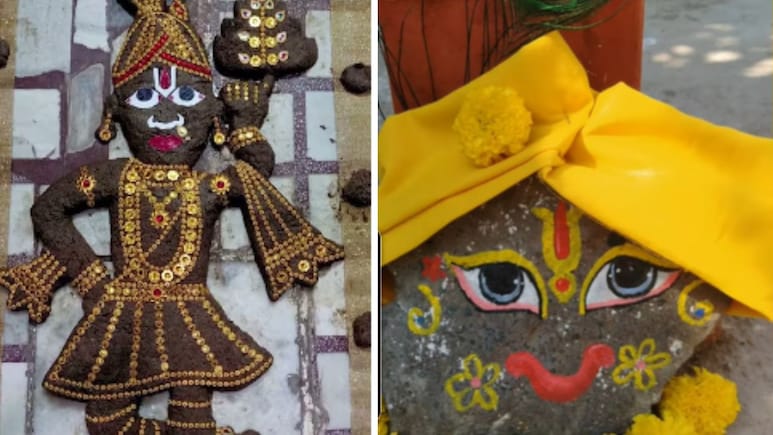
Creative Ways to Make Govardhan Parvat Without Cow Dung at Home
Govardhan Puja holds immense religious and cultural significance in the Hindu calendar, celebrated a day after Diwali to honor Lord Krishna, nature, and cattle. Traditionally, households across northern India create a symbolic representation of Mount Govardhan using fresh cow dung, decorating it with flowers, grass, and lamps. However, for families living in urban apartments, gated communities, or areas where cow dung is not readily accessible, participating in this sacred ritual can present a logistical challenge. Fortunately, tradition values sincere devotion and creative intent above rigid material choices. Several clean, eco-friendly, and simple alternatives allow urban households to build a traditional Govardhan structure effortlessly.
Making Govardhan Parvat Using Clean Clay or Mud
If you prefer a natural texture that closely mimics traditional methods without using animal waste, clean potter's clay or garden soil is an excellent alternative.
-
The Process: Moisten clean clay or mud with water until it achieves a smooth, pliable consistency. Shape it into a central mound that is elevated in the middle and slopes gently toward the edges, replicating a mountain.
-
Styling and Detailing: You can mold smaller figures of cows, calves, and a reclining human form representing Giriraj Maharaj directly from the clay. Once dry, paint them or embellish the structure with fresh marigold flowers, green grass, and vibrant rangoli colors to give it a festive appearance.
Crafting Govardhan Parvat with Wheat Flour Dough
For those pressed for time or living in spaces where bringing in loose soil is impractical, wheat flour (gehun ka atta) offers a convenient and deeply traditional kitchen-friendly solution.
-
The Process: Knead a firm dough using wheat flour and water, ensuring it is slightly stiffer than routine chapati dough so it retains its structural integrity.
-
Shaping and Decoration: Mold the dough into a miniature hill or a symbolic representation of Govardhan Maharaj on a clean wooden plank or tray. Because dough accepts colors and decorations easily, you can adorn the flour structure with turmeric (haldi), vermilion (roli), raw rice grains (akshat), cloves, and cardamom. This method is clean, entirely edible-safe, and very popular in modern urban households.
Using a Flat Stone or Decorative Slate
Another creative and completely mess-free approach gaining popularity among apartment residents involves utilizing a flat, clean decorative stone or marble slate as a symbolic base.
-
The Process: Select a smooth, clean flat stone to represent the sacred mountain. Using vibrant acrylic colors, sketch or paint the facial features, tilak, and decorative borders of Giriraj Maharaj directly onto the stone. You can craft a miniature turban using a small piece of colored cloth or silk ribbon and place it on top of the stone.
-
Surrounding Setup: Arrange fresh flowers, miniature brass cow idols, and glowing earthen lamps (diyas) around the stone base to complete an aesthetically pleasing and completely reusable setup for future years.
Essential Rituals and Eco-Friendly Decoration Tips
Regardless of the material chosen for the structure, maintaining the spiritual essence of the festival remains paramount. Clean the puja space thoroughly and purify it with Gangajal before setting up your alternative Govardhan creation. Surround the structure with traditional offerings (Annakut), fresh fruits, sweets, and tulsi leaves. Complete the worship by performing aarti, offering sincere prayers for family well-being, and taking ceremonial circumambulation (parikrama) around your home altar.




