







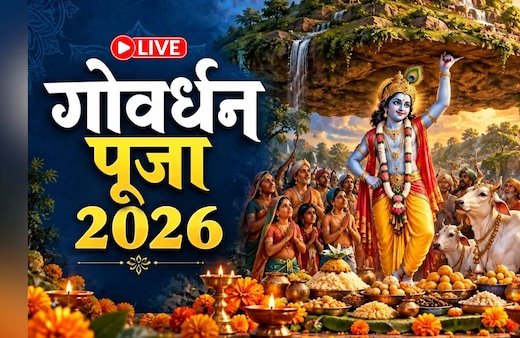
Govardhan Puja 2026: Auspicious Timings, Rituals, and Mantras
Govardhan Puja holds a deeply revered place in the Hindu festive calendar, celebrated with immense devotion, vibrant colors, and rich traditions. Falling traditionally on the Pratipada tithi of the Kartik month, usually a day after Diwali, this festival commemorates the legendary day when Lord Krishna lifted the Govardhan Hill on his little finger to shield the people and livestock of Braj from torrential rains unleashed by Lord Indra. Beyond mythological roots, the festival emphasizes deep gratitude toward nature, ecological protection, and the reverence of cattle. Knowing the precise auspicious timings, ritual protocols, and sacred mantras ensures that households perform the worship correctly to invite prosperity and peace.
Auspicious Timings and Shubh Muhurat
The exact timing of Govardhan Puja depends heavily on the sunrise-based calculation of the Kartik Shukla Pratipada tithi. For this year, the Pratipada Tithi begins on November 9, 2026, and extends through the afternoon of November 10, 2026.
-
Date of Celebration: Tuesday, November 10, 2026
-
Pratahkaal Puja Muhurat: 6:40 AM to 8:50 AM (Duration: 2 hours 10 minutes)
-
Pratipada Tithi Timings: Begins at 12:31 PM on November 9 and concludes at 2:00 PM on November 10, 2026.
Because morning hours are traditionally deemed most favorable for welcoming divine blessings, families complete their primary rituals during the designated early hours. Local Panchang variations may shift timings slightly by geographical location, making it advisable for devotees to cross-verify regional temple schedules.
Step-by-Step Puja Vidhi and Rituals
The celebration of Govardhan Puja involves meticulous preparation, centering around artistic creation, organic offerings, and community bonding:
-
Creating the Govardhan Image: On the morning of the festival, clean the courtyard or main entrance of the house. Using fresh cow dung, fashion a symbolic miniature representation of the Govardhan Hill, alongside figures of human beings, trees, and domestic animals like cows and calves.
-
Setting Up the Altar: Decorate the structure with fresh flowers, green grass, colorful powders (rangoli), and earthen lamps. Place an idol or picture of Lord Krishna nearby.
-
Making the Annakut Offering: The hallmark of the festival is Annakut (meaning a mountain of food). Prepare a wide array of vegetarian dishes, sweets, multi-grain cereals, fresh seasonal fruits, and traditional delicacies. Offer these preparations lovingly to Giriraj Maharaj and Lord Krishna.
-
Worship and Parikrama: Light an earthen oil lamp and incense sticks. Offer roli, akshat (unbroken rice), water, milk, and flowers to the Govardhan structure. Perform a ceremonial circumambulation (parikrama) around the sacred cow dung mound while chanting devotional prayers.
-
Gau Puja: Honor and worship Gau Mata (cows) by feeding them fresh green fodder, jaggery, and wheat rotis, recognizing their vital role in sustaining life and prosperity. Conclude the ceremony by distributing the Annakut prasad among family members, neighbors, and those in need.
Sacred Mantras to Chant During Worship
Chanting traditional hymns during the ritual invokes divine grace, protection, and spiritual clarity:
-
Govardhan Prayer Mantra:
गोवर्धन धराधार गोकुल त्राणकारक। विष्णुबाहु कृतोच्छ्राय गवां कोटिप्रभो भव॥
(Meaning: O bearer of Govardhan and savior of Gokul, we bow to your glory. Bestow upon us your grace and boundless protection.)
-
Primary Salutation:
ॐ गोवर्धनाय नमः
-
Universal Krishna Mantra:
ॐ नमो भगवते वासुदेवाय
Spiritual Significance and Modern Relevance
Govardhan Puja transcends mere ritualistic compliance; it serves as an annual reminder of humanity's harmonious coexistence with nature. By worshipping the mountain, rivers, and animals that sustain ecological balance, society acknowledges that true prosperity stems from protecting the environment rather than exploiting it. Embracing this sacred festival with humility strengthens familial ties, fosters compassion, and keeps timeless cultural roots alive.




