







Diwali 2026: 5 Habits That Bring Goddess Lakshmi to Your Home
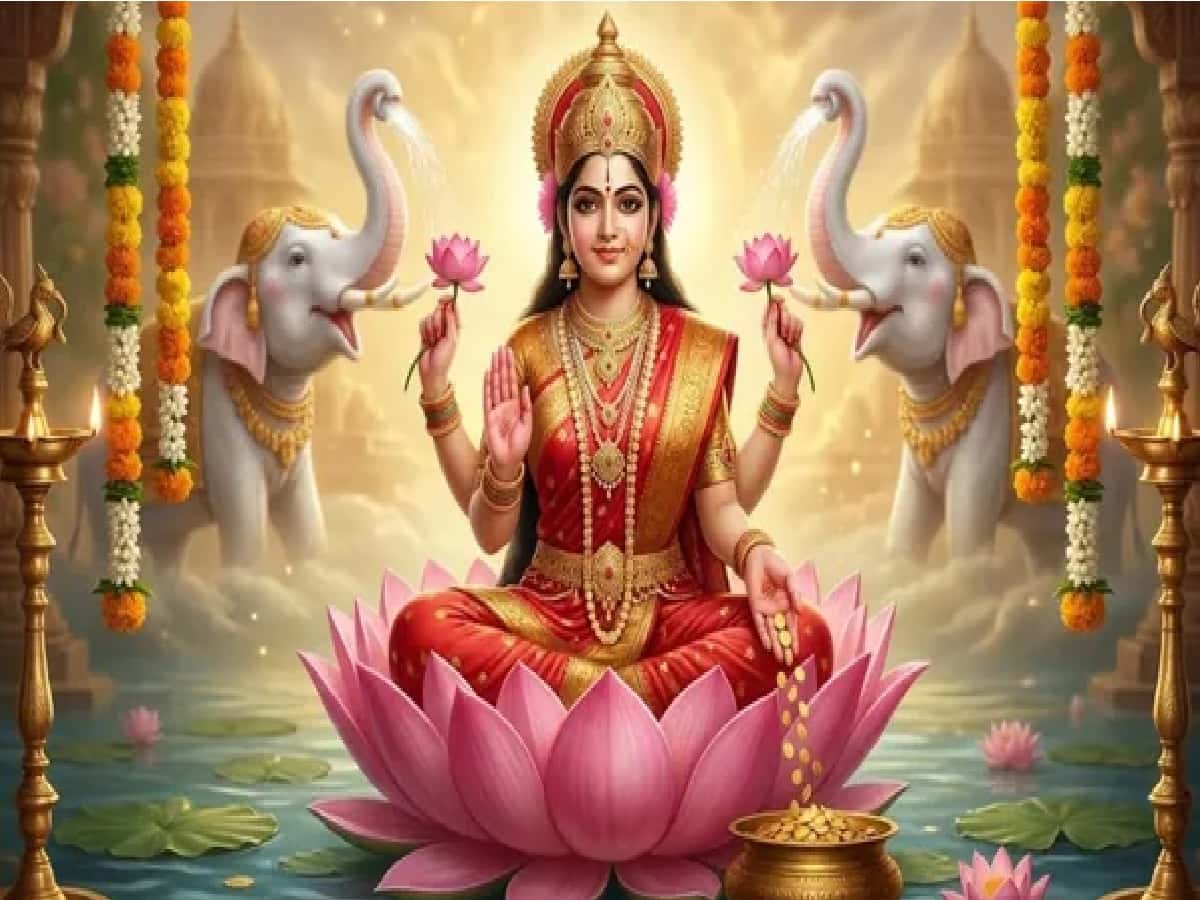
Deepavali, the supreme festival of lights, represents far more than an annual occasion for illumination, firecrackers, and gift exchanges; it marks the sacred nocturnal descent of Goddess Mahalakshmi upon the terrestrial plane on Kartik Amavasya. Across Vedic traditions and ancient Puranic scriptures, this auspicious night is regarded as the singular cosmic window when the goddess of wealth, fortune, and spiritual illumination traverses the mortal realm to bestow her divine grace upon households prepared to receive her. Yet, scriptural wisdom consistently emphasizes that material opulence is not an arbitrary windfall. Goddess Lakshmi is characterized not merely by affluence (Dhana), but by righteous conduct, purity, harmony, and cosmic balance. While millions perform elaborate Lakshmi Pujas with flowers, sweets, and ceremonial incense, sacred lore dictates that external rituals remain hollow without cultivating the specific household virtues and ethical behaviors that make an abode truly worthy of divine residence. Understanding the deeper spiritual mechanics behind these traditional observances reveals why certain homes naturally attract enduring prosperity, while others remain beset by instability despite superficial displays of devotion.
Absolute Cleanliness and the Eradication of Household Clutter
The foundational prerequisite for welcoming Goddess Lakshmi into any dwelling is unwavering physical and environmental purity. Long before modern hygiene manuals underscored the mental health benefits of an orderly environment, Sanatana Dharma established that cleanliness is synonymous with godliness (Shaucha). According to scriptural belief, Goddess Lakshmi has an inherent aversion to darkness, filth, stagnant energy, and neglected junk, all of which constitute the natural domain of her elder sister, Alakshmi, the harbinger of scarcity and misfortune. Homes that allow dust to gather in forgotten corners, accumulate broken appliances, or preserve fractured mirrors and unread piles of debris inadvertently cultivate an energetic frequency that repels divine blessings.
Preparations for Diwali traditionally begin weeks in advance with deep cleansing rituals that touch every nook and cranny of the home. Discarding damaged artifacts, repairing leaking water taps—which symbolise the involuntary drain of financial resources—and whitewashing walls are considered acts of spiritual purification rather than mere domestic chores. On the auspicious day of Kartik Amavasya, purifying the threshold with sacred water infused with Gangajal, sprinkling turmeric and vermilion, and drawing traditional rice-flour rangolis at the entrance establish a sanctified threshold. When an entryway is pristinely swept, well-ventilated, and sweetly scented with camphor, sandalwood, and fresh marigold garlands, it acts as a spiritual beacon, signaling that the occupants respect their living environment and are conscious custodians of wealth.
Honoring the Living Lakshmi: Respect for Women and Domestic Harmony
Ancient scriptures proclaim with absolute clarity: Yatra naryastu pujyante ramante tatra Devata—where women are revered, there the divine rejoices. Within the Hindu philosophical framework, every woman in the household, whether a mother, wife, sister, or daughter, embodies the living, earthly manifestation of Goddess Lakshmi herself as Grihalakshmi. A home where women are subjected to disrespect, emotional neglect, or verbal abuse is fundamentally incapable of retaining true auspiciousness, regardless of how ostentatious its external Diwali festivities may appear. Divine grace withdraws instantly from spaces where domestic discord and bitterness poison the familial atmosphere.
The days surrounding Diwali are considered an essential period for resolving lingering interpersonal grievances, cultivating patience, and actively banishing anger from household conversations. Arguments, shouting matches, and petty recriminations generate heavy, discordant vibrations that invite the presence of Alakshmi, whose influence fosters anxiety, legal disputes, and financial volatility. Cultivating a warm, emotionally supportive environment where women are treated with dignity, consultatively involved in household decisions, and cherished with heartfelt appreciation establishes the emotional harmony indispensable for sustainable prosperity. When peace, mutual affection, and laughter echo through the hallways, Goddess Lakshmi finds a welcoming sanctuary, ensuring that both material wealth and mental tranquility abide permanently within the family unit.
Sanctity of the Hearth: Cleansing the Kitchen and Appeasing Goddess Annapurna
In traditional Indian domestic philosophy, the kitchen is regarded as the spiritual heartbeat of the residence, second in sacred status only to the family prayer room (Puja Sthala). It is the sacred domain of Goddess Annapurna, the deity of food and nourishment, who is intrinsically connected with Goddess Lakshmi. One of the most widespread yet spiritually damaging domestic habits is retiring to bed at night with sinks overflowing with dirty, food-encrusted cookware and soiled dinnerware. In Vedic tradition, allowing dirty utensils to sit unattended through the nighttime hours is viewed as an act of profound disrespect toward the divine energy that provides daily sustenance, inviting debilitating vastu doshas and financial strain upon the lineage.
Leaving discarded food and unwashed utensils overnight is believed to corrupt the subtle energies of the hearth, provoking the displeasure of both Annapurna and Lakshmi. On the eve of Diwali, and indeed as a perpetual lifestyle commitment, the kitchen must be thoroughly scrubbed and sanitized before the household sleeps. Wiping down cooking platforms, properly storing leftover food, and clearing every dish ensures that the life-giving energy of the home remains pure and unpolluted. Maintaining an abundant supply of whole grains, salt, and clarified butter (ghee) in clean, organized containers further signals preparedness and reverence. When a kitchen radiates cleanliness and care, it ensures that the household never experiences a deficit of nourishment, grain, or financial security.
Compassion in Action: The Sacred Power of Hospitality and Philanthropy
Wealth that is purely accumulated and hoarded without philanthropic circulation eventually stagnates and breeds spiritual malaise. Goddess Lakshmi is affectionately known as Chanchala, meaning the naturally restless or mobile one; her divine grace flows freely toward those who understand that money is an instrument for collective welfare rather than selfish hoarding. In folklore and scriptural texts, a household whose threshold turns away a hungry traveler, a thirsty wanderer, or an impoverished seeker with empty hands is rapidly forsaken by good fortune. Authentic prosperity is sustained exclusively through the righteous cycle of earning, saving, and benevolent redistribution (Daan).
During the festive season of Diwali, this principle assumes heightened spiritual significance. Sharing festival sweets, providing warm clothing, distributing dry rations, and offering financial assistance to domestic helpers, daily wage earners, and underprivileged families are considered non-negotiable spiritual duties. Hospitality extended with genuine warmth and humility, devoid of arrogance or condescension, transforms an ordinary house into an abode of righteousness. By utilizing a portion of one’s earnings to bring joy and relief to vulnerable lives, a devotee activates the highest aspect of Mahalakshmi—Dhanya Lakshmi and Santana Lakshmi—guaranteeing that the household’s coffers are continually replenished by universal abundance.
The Sacred Night Vigil: Nishita Kaal Sadhana and Continuous Illumination
While many secular celebrations wind down shortly after evening fireworks and formal pujas, the deeper spiritual essence of Diwali unfolds during the mysterious midnight window known as Nishita Kaal. Puranic accounts recount that Goddess Lakshmi wanders the earth during the dark expanse of Kartik Amavasya night, observing which residences remain watchful, illuminated, and prayerful in her anticipation. Consequently, succumbing to indolent sleep or heavy lethargy during the transformative midnight hours of Diwali is strongly discouraged in traditional spiritual practice. Those seeking profound spiritual elevation and enduring economic stability observe a deliberate night vigil (Ratri Jagran), keeping their inner and outer senses attuned to divine contemplation.
True devotees spend these sacred nocturnal hours immersed in devotional discipline, ensuring that the primary brass or clay oil lamp (Akhand Diya) fueled with pure cow's ghee remains steadily burning until dawn without flickering out. Engaging in the meditative chanting of Vedic mantras, singing the Sri Suktam, reciting Adi Shankaracharya’s Kanakadhara Stotra, or repeating the sacred Mahalakshmi Ashtakam charges the home’s atmosphere with high spiritual vibrations. By eschewing mindless distraction and instead dedicating the midnight hours to sacred contemplation, charity, and radiant illumination, devotees demonstrate authentic spiritual readiness. In these homes—where darkness is banished not just by oil lamps, but by awareness, devotion, and virtuous conduct—Goddess Lakshmi permanently takes her seat, blessing the family with unshakeable peace, moral strength, and everlasting prosperity.




