







Chhath Puja: Why Women Apply Long Sindoor from Nose to Hair
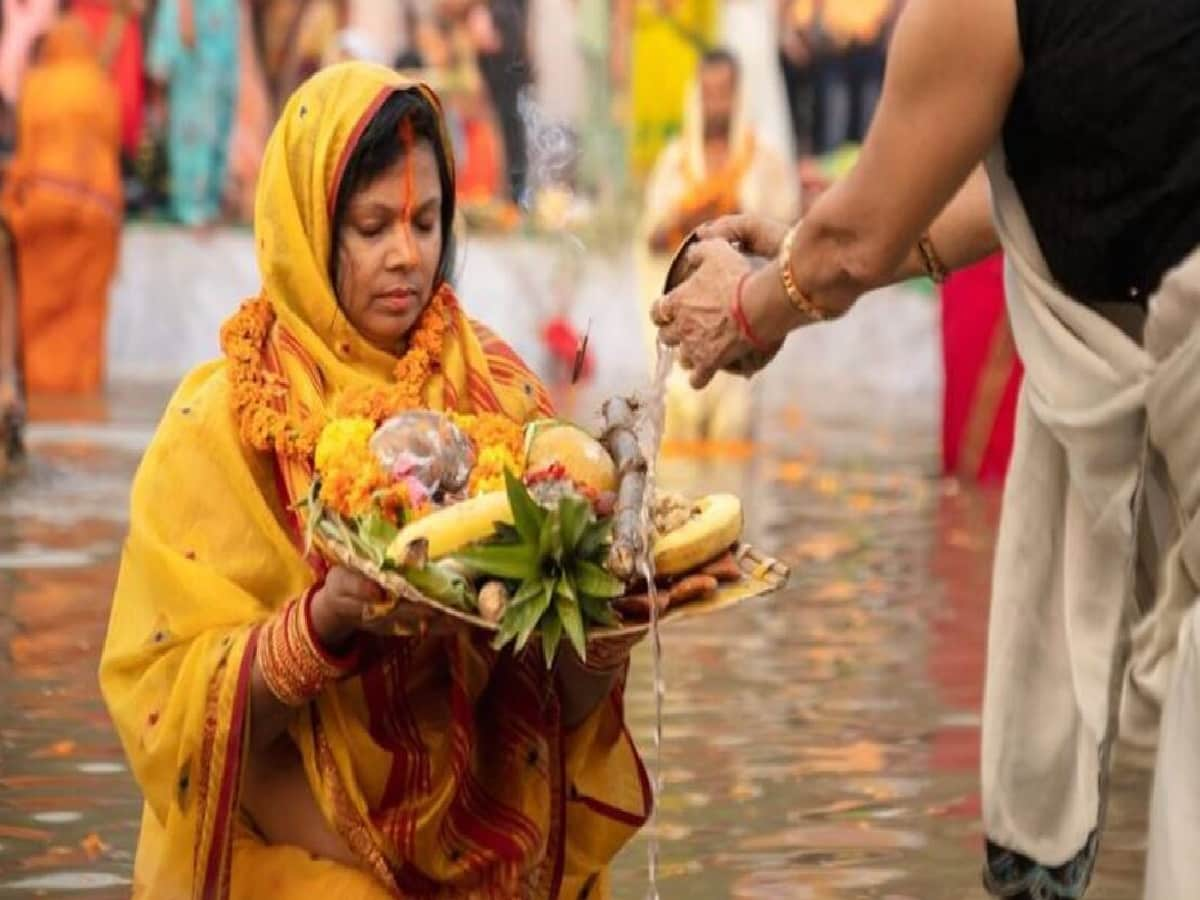
As dawn breaks over the sacred riverbanks of the Ganges, Yamuna, and Son, the four-day festival of Chhath Mahaparv transforms the ghats across Bihar, Jharkhand, eastern Uttar Pradesh, and the global diaspora into an ocean of devotional grandeur. Amid the fragrant haze of incense, the rhythmic melodies of traditional folk hymns, and baskets laden with thekua and fresh harvest produce, one striking visual immediately captures attention: the Vratins (fasting women) adorned in traditional yellow, red, and saffron sarees, bearing an unbroken, luminous streak of orange vermilion that stretches all the way from the bridge of the nose deep into the central parting of their hair. While the solah shringar (sixteen adornments) of a married Hindu woman features vermilion as a cornerstone of matrimonial identity, the unique practice of wearing an elongated, conspicuous line of sindoor during Chhath is steeped in centuries of folklore, Vedic symbolism, and profound metaphysical conviction. For generations, believers have held that this vibrant mark directly influences the longevity, prosperity, and societal standing of their husbands.
Akhand Saubhagya: The Belief in Longevity and Unbroken Fortunes
The primary spiritual conviction governing the application of this elongated vermilion mark is the preservation of Akhand Saubhagya—unbroken marital fortune and lifelong companionship. In mainstream Hindu domestic tradition, married women apply vermilion discreetly within the parting of their hair (maang). However, during the rigorous austerities of Chhath Puja, concealing or minimizing the vermilion line is considered an inauspicious practice. Regional folklore warns that hiding one's sindoor beneath folds of hair metaphorically conceals and diminishes the husband's life force and societal fortune. Conversely, drawing a bold, radiant line that begins right at the tip or bridge of the nose and ascends straight to the crown represents an unreserved, courageous prayer for the husband's longevity (Ayu Vriddhi).
According to elders and cultural scholars across the Bhojpuri, Maithili, and Magahi regions, the uninterrupted line of vermilion acts as an auspicious energetic highway. The act of applying it begins at the nasal bridge, moves past the brow center (Ajna chakra), and terminates at the crown (Sahasrara chakra). This physical alignment symbolizes a woman's complete spiritual devotion, channeling cosmic blessings directly from the Sun God (Surya Dev) and his divine consort Chhathi Maiya into the life of her partner. Fasting mothers and wives endure a grueling 36-hour waterless fast (Nirjala Upavash) during Chhath, standing knee-deep in cold river currents during evening and morning offerings (Sandhya and Usha Arghya). The prominent vermilion streak serves as the visible seal of this supreme sacrifice, reminding the divine forces of their sacred petition to protect their spouses from untoward accidents, chronic illnesses, and premature death.
Social Ascendance and Prosperity: How the Streak Mirrors Honor
Beyond the realm of personal lifespan, traditional beliefs associate the height and length of the sindoor line with the external success, prestige, and career trajectory of the husband. In rural and semi-urban folklore across the Purvanchal heartland, it is widely believed that a long, flowing streak of vermilion correlates with a husband's ascension in society. A streak that climbs high up the crown signifies that the husband will achieve prominence, earning fame (kirti), social respect (samman), and professional progress (unnati).
During the rituals of Kharna and the subsequent offerings of Arghya, women perform elaborate prayers seeking the eradication of household poverty and generational debts. The Sun is venerated in Vedic astrology as the ultimate significator of authority, government favor, administrative power, and vitality (Surya Atmakaraka). By wearing the solar colors of orange and gold across the forehead, women seek to align their family's domestic aura with the radiant benevolence of the Sun. The vermilion line becomes an emblem of dignity, projecting the message that the woman takes immense pride in her matrimonial covenant and actively invites divine intervention to elevate her partner's societal stature.
Sacred Mythological Echoes: Lessons from Sita and Draupadi
The cultural roots of applying prominent vermilion trace back to timeless narratives found within the great epics of Sanatana Dharma. One of the most cherished tales involves Mother Sita during her days in Ayodhya alongside Lord Rama. According to mythological lore, Lord Hanuman once observed Mother Sita applying bright vermilion along the parting of her hair. Intrigued, the devoted Hanuman innocently asked why she smeared the orange powder across her head. With maternal affection, Sita explained that applying vermilion pleases Lord Rama and ensures his long life, boundless happiness, and eternal well-being. Overjoyed by this revelation, Hanuman famously covered his entire body in orange vermilion to ensure Rama’s absolute immortality. For women observing Chhath, Mata Sita's devotion remains the gold standard of wifely fidelity, inspiring them to carry forward the tradition of marking their foreheads with generous amounts of vermilion during festivals dedicated to the welfare of their families.
Another evocative folk narrative from the Mahabharata connects the practice to Queen Draupadi. Legend recounts that during an acute crisis when the Pandavas faced imminent peril, Draupadi, distressed and seeking urgent divine protection for her five husbands, rushed to her prayer chamber. In her profound anxiety and haste to appease the heavens, she accidentally tipped over an entire container of sindoor, causing the bright powder to spill generously down from her crown to the tip of her nose. The Pandavas subsequently emerged victorious from the impending catastrophe, giving rise to the folk belief that an abundant, nasal-spanning application of vermilion serves as an impenetrable shield during times of existential trial. While scholars acknowledge this story as an oral folk embellishment rather than canonical Sanskrit scripture, its emotional resonance among rural women remains deeply potent.
Metaphysical Shield: Clearing Meridians and Warding Off Negative Energies
From an Ayurvedic and subtle yogic perspective, the path traced by the vermilion line holds physiological and spiritual significance. The central parting of the human scalp houses the Brahmarandhra and aligns directly above the Sushumna Nadi, the central channel of spiritual energy. The bridge of the nose links into subtle facial meridians directly connected to the pineal and pituitary glands. In traditional Indian medicine, authentic sindoor was not a synthetic, chemical-laden dye, but a therapeutic compound created from turmeric, lime juice, camphor, and purified mineral extracts. When massaged along the central meridian from the nose upward, it was believed to exert a cooling, calming effect on the nervous system, helping fasting women maintain emotional equilibrium, sharpen intuitive clarity, and relieve physical fatigue during days of rigorous fasting.
Furthermore, traditional communities view the bright orange streak as an active spiritual talisman designed to ward off malevolent vibrations and the "evil eye" (buri nazar). The festive gathering of hundreds of thousands of people along river ghats exposes families to diverse energies. The striking orange vermilion serves as a protective psychic barrier, absorbing the first glance of onlookers and neutralizing any unintentional envy or negative thoughts. By transforming the face into a consecrated temple, the Vratin creates an environment of purity around herself, ensuring that the blessings accumulated through her spiritual discipline remain untainted and safely channeled toward the protection of her children and husband.
The Sacred Orange Glow: Why Matiya Sindoor Defines Chhath Puja
Another crucial element that distinguishes Chhath Puja is the specific type of vermilion used. Unlike the bright crimson or deep blood-red sindoor common in standard temple rituals and weddings, Chhath requires the use of Matiya Sindoor or Bhakwa Sindoor—a raw, earthen, vibrant orange powder. This specific orange hue mirrors the majestic, soothing twilight colors of the setting sun during Sandhya Arghya and the golden luminescence of the rising dawn during Usha Arghya. It represents the elements of fire (Agni), earth (Prithvi), and universal life force, serving as a direct homage to the cosmic rays that sustain all terrestrial life.
As the morning Arghya concludes on the fourth day (Paran), a touching community ritual unfolds across the riverbanks. Older, experienced Vratins gather young brides and newly married women, lovingly applying this long, vibrant orange line of vermilion onto their foreheads while whispering traditional blessings of fertility, peace, and longevity. This collective act of applying sindoor transcending caste, economic class, and social status reflects the deeply egalitarian and communal spirit of Chhath Puja. It transforms a humble natural powder into an enduring symbol of cultural continuity, female solidarity, and maternal faith, reinforcing the belief that the prayers of a devoted heart possess the power to illuminate a household and preserve its fortunes across generations.




