







Chhath Kosi Puja: Secret Behind Clay Elephants & Sugarcane
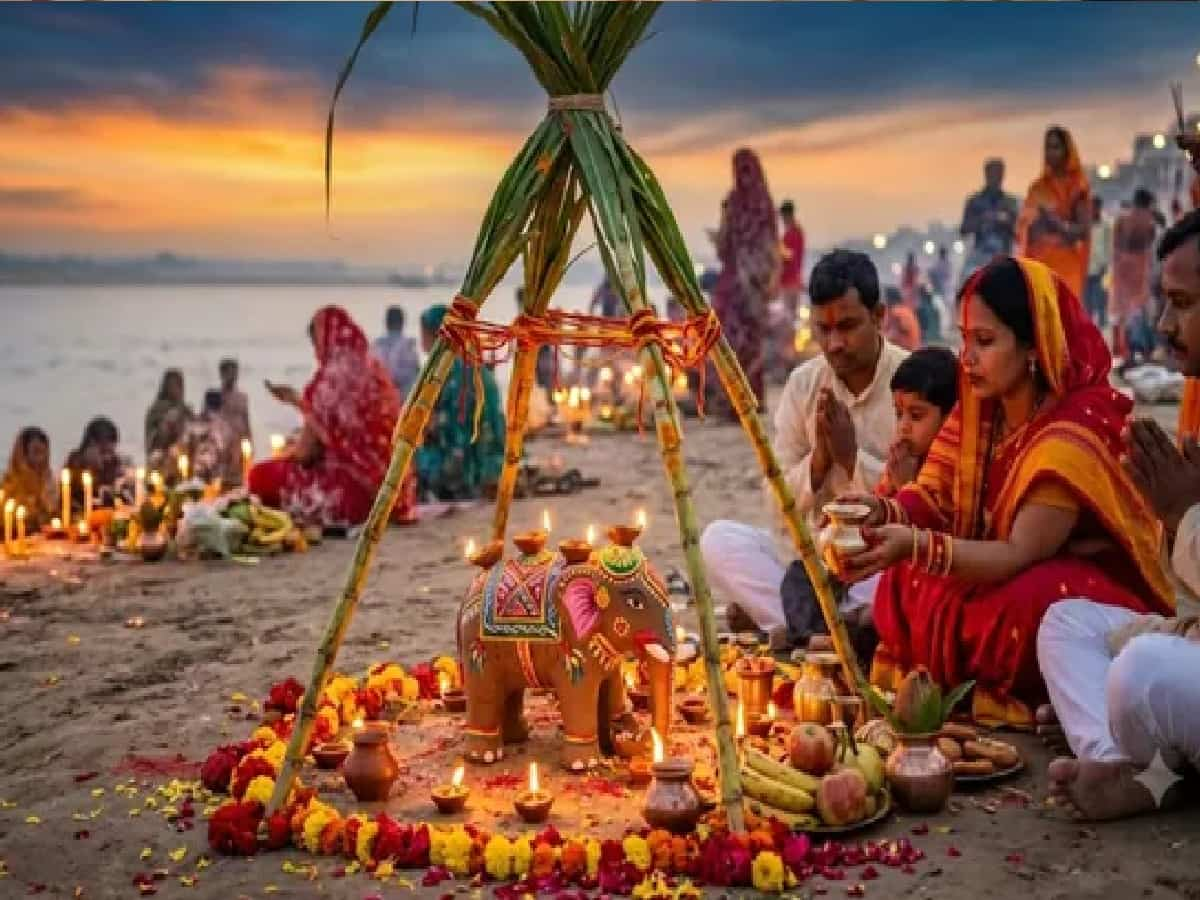
As the sacred four-day festival of Chhath Mahaparv approaches the riverbanks and ghats across Bihar, Jharkhand, eastern Uttar Pradesh, and the global diaspora, the devotion dedicated to the Sun God, Surya Dev, and his cosmic energy consort, Chhathi Maiya, reaches its spiritual zenith. Across millions of households preparing for the rigorous austerities from November 13 to November 16, 2026, one exceptionally sacred ceremony stands out for its visual grandeur and emotional depth: the ritual of Kosi Puja, commonly known in regional parlance as "Kosi Bharna." While standard Chhath observances revolve around fasting and presenting offerings in woven bamboo baskets, Kosi Puja transforms domestic courtyards and river ghats into illuminated sanctums defined by a tall sugarcane pavilion, dozens of glowing earthenware lamps, and a consecrated clay elephant seated at the center. Far from a routine ceremonial embellishment, filling the Kosi is an extraordinary act of spiritual thanksgiving, performed exclusively when a family has witnessed the miraculous fulfillment of a deeply cherished vow, cementing an eternal bond of gratitude between the devotee and the divine.
The Vow of Thanksgiving: Why Families Perform Kosi Bharna
In the folk theology and scriptural consciousness of the Purvanchal region, Kosi Puja is inherently tied to the fulfillment of a Sankalpa or solemn pledge (Mannat). Families invoke Chhathi Maiya during times of profound existential adversity, severe illnesses, or prolonged domestic distress, promising that once the crisis is resolved, they will express their gratitude through the elaborate ceremony of Kosi Bharna. Most frequently, this sacred pledge is undertaken in supplication for the blessing of progeny (Santana Prapti), the safe recovery of a critically ailing child, or the protection of a family lineage facing severe hardships.
Because the ritual represents the discharge of a heartfelt vow, it is approached with a level of reverence, care, and emotional intensity that surpasses ordinary festive rites. It is not an annual obligation imposed upon every household; rather, it is performed specifically in the year a prayer is answered, or sustained over several consecutive years if a devotee has pledged a multi-year observance. When the desired blessing manifests—whether through the birth of a healthy infant, the survival of a family elder, or a transformative change in family fortunes—the household mobilizes its collective resources to honor Chhathi Maiya and the Sun God through this sacred ceremony, sharing the joy of divine grace with the surrounding community.
The Sugarcane Canopy: Recreating the Sanctity of Vedic Yagnashalas
The physical centerpiece of Kosi Puja is an intricately constructed open-air pavilion (Mandap), meticulously assembled using whole stalks of freshly harvested sugarcane (Ganna). Depending on regional family tradition, astrological consultations, or the specific terms of the vow, devotees select 4, 5, 7, 9, or 11 sturdy sugarcane stalks, each complete with its green, leafy crown intact. These tall canes are planted upright into the earth or positioned inside sanctified clay pots, with their leafy tops arched inward and bound securely together at the apex using consecrated yellow, red, and saffron sacred threads (Mauli or Kalava).
In ancient Indian architecture and Vedic symbology, this conical sugarcane structure represents the sanctified canopy of an ancient Vedic fire altar (Yagnashala) or the soaring spire (Shikhara) of a sacred temple. Sugarcane holds profound agricultural and metaphysical significance during the autumn harvest: it represents raw, unadulterated sweetness, structural resilience, fertility, and the life-giving vitality of the soil nurtured by the Sun's rays. By creating a temporary organic temple out of sugarcane, the household constructs a sacred, purified micro-environment where divine energies can descend unhindered by the mundane distractions of the mortal realm. Beneath this arched green canopy, the sacred offerings are arranged, creating an earthly miniature of the cosmic universe.
The Earthen Elephant: Royal Majesty, Ganesha, and Cosmic Stability
Directly beneath the protective canopy of the sugarcane stalks rests the central icon of the Kosi ritual: a sculpted terracotta elephant (Mitti ka Haathi). Handcrafted weeks in advance by hereditary rural potters (Kumhars) who observe strict ritual purity during the clay-modeling process, these earthen elephants are decorated with auspicious geometric patterns, yellow turmeric streaks, and bold lines of orange vermilion (Matiya Sindoor). The back, head, and flanking sides of the clay elephant are sculpted with multiple hollow niches, small cups, and ridges engineered specifically to hold terracotta oil lamps.
The presence of the elephant carries profound scriptural resonance across Sanatana Dharma. In ancient iconography, the elephant represents Airavata, the royal mount of Indra, embodying sovereignty, unshakeable stability, abundance, and worldly triumph. Furthermore, the elephant is intrinsically associated with Lord Ganesha, the elephant-headed deity of auspicious beginnings and remover of obstacles (Vighnaharta), ensuring that the family's lineage remains protected from hidden malevolence and ill fortune. The elephant is also revered as the devoted guardian of Goddess Mahalakshmi, often depicted in Gaja Lakshmi motifs showering the divine mother with celestial water. Adorning the clay elephant with lit lamps—often numbering 24, 36, or 48 distinct clay wicks fueled with pure mustard oil or cow’s clarified butter (ghee)—symbolizes that the light of wisdom, righteousness, and divine protection is carried upon the shoulders of strength, illuminating the household and driving out every shadow of ancestral misfortune.
Kosi Sevana: The Midnight Vigil of Sacred Folk Hymns
The ceremonial unfolding of Kosi Puja follows a strict chronological progression that bridges the third and fourth days of Chhath Mahaparv. The first phase of the ritual commences inside the family residence on the evening of Kartik Shukla Shashthi (November 15, 2026), immediately after the fasting devotees and family members return home from offering Sandhya Arghya to the setting sun at the riverbank. The domestic courtyard or cleanest central room is thoroughly washed, purified with holy Ganga water, and decorated with intricate floor art (Aripana or Rangoli) drawn using freshly ground raw rice paste mixed with turmeric.
Once the sugarcane pavilion is raised and the clay elephant is consecrated, the earthen pots—the actual Kosi—are filled to the brim. These clay vessels are packed with the seasonal bounty of the autumn harvest: unblemished stalks of paddy, fresh turmeric rhizomes, whole ginger plants with green leaves, water chestnuts (singhara), radishes, sweet potatoes, betel leaves, areca nuts, whole coconuts crowned with sacred thread, and domestic offerings including handcrafted whole-wheat thekua and rice-flour laddu (kasar). Once the altar is established, the sacred all-night vigil known as "Kosi Sevana" or "Kosi Jagaana" begins.
Throughout the chilly midnight hours, the fasting women (Vratins), accompanied by mothers, sisters, and neighborhood elders, remain awake seated around the glowing sugarcane canopy. No one sleeps in the presence of the consecrated Kosi. The nocturnal stillness is filled with the melodious resonance of ancient Maithili, Bhojpuri, and Magahi folk hymns dedicated to Chhathi Maiya and Lord Surya. Songs recounting the miraculous mercy of the mother goddess, the legendary origins of the solar dynasty, and prayers for the child's long life are sung continuously until the pre-dawn hours. Throughout this vigil, designated family members maintain a constant watch over the clay elephant, ensuring that the oil lamps never flicker out and that the unbroken flame (Akhand Jyoti) continues to burn brightly until dawn.
The Pre-Dawn March to the Ghat and Sacred Immersion
As the first light of dawn approaches on Kartik Shukla Saptami (November 16, 2026), the ritual transitions from the privacy of the home to the public commons of the sacred riverbank. In a deeply touching procession of communal devotion, the entire Kosi ensemble is dismantled with utmost care. The male members of the household, traditionally walking barefoot and draped in unstitched cotton garments (dhoti), hoist the decorated bamboo winnows (daura) and balance the sugarcane stalks and the consecrated clay elephant upon their heads or shoulders.
Carrying the Kosi through the village paths and city streets toward the ghat is considered an immense spiritual honor; passersby bow in reverence as the procession moves past, touching the pathway in humility. Upon reaching the water's edge, the sugarcane pavilion is reconstructed on the sandy bank, the earthen elephant is re-installed facing east toward the rising sun, and the terracotta lamps are rekindled. Fasting devotees step into the chest-deep water to present the final offering of Usha Arghya to the ascending sun. Once the solar prayers conclude and the water offerings are completed, the sacred farewell begins. In accordance with ritual injunctions, the consecrated clay elephant is gently carried into the deep currents of the holy river and immersed (Visarjan). This symbolic act returns the earthen form back to the water element from which it was molded, signifying that all mortal blessings and worldly prosperity ultimately return to the cosmic flow of nature.
Sacred Purity and Taboos: Avoiding Mistakes While Filling the Kosi
Given the spiritual gravity of fulfilling a divine vow, ancient traditions emphasize that there is no room for carelessness or impurity during Kosi Puja. Devotees observe strict rules to avoid common ritual mistakes. First and foremost, physical purity is absolute: every sugarcane stalk must be inspected to ensure it is unbroken, naturally sweet, free from pest damage, and possesses its complete upper foliage. Using chipped, fractured, or previously used earthen pots is considered strictly inauspicious, as cracked pottery signifies leakage of life energy and vastu imbalance.
Furthermore, all fruits, dry grains, and offerings placed within the Kosi must be entirely unblemished and free from any prior tasting or contamination (Uchhishta). The earthen lamps placed upon the elephant must be handled with clean, washed hands, ensuring an adequate reservoir of oil to prevent premature extinguishing during the night vigil. Most importantly, the entire ceremony must be approached with an attitude of profound humility, love, and gratitude, rather than ostentatious pride or social display. When executed with pure devotion, heartfelt song, and meticulous adherence to tradition, Kosi Puja stands as an extraordinary cultural testament to human gratitude, honoring the divine light that sustains life, protects children, and guides families through the darkest nights into the radiant dawn of renewal.




