







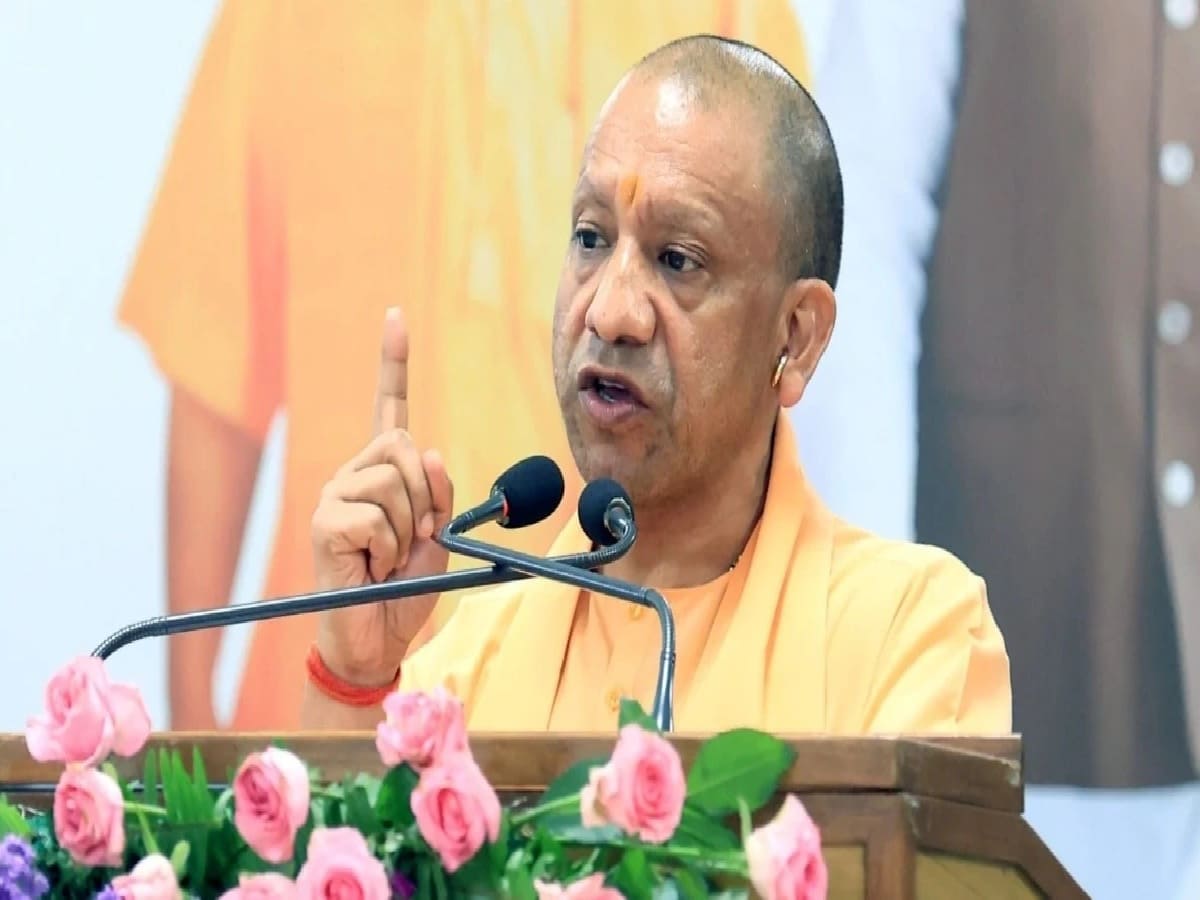
Dhanteras 2026: CM Yogi Urges Citizens to Gift UP ODOP Products
As the festive radiance of Dhanteras and Dhanvantari Jayanti ushered in the five-day Diwali festivities across northern India on Friday, November 6, 2026, Uttar Pradesh Chief Minister Yogi Adityanath issued a heartfelt public appeal urging citizens to make indigenous craftsmanship the cornerstone of their festive gifting. In a detailed message shared across official channels and social media platforms from Lucknow, the Chief Minister called upon residents, corporate entities, and trade bodies to actively embrace Prime Minister Narendra Modi’s nationwide "Vocal for Local" vision by choosing One District, One Product (ODOP) artifacts as their primary festival gifts. Emphasizing that a festive purchase is never merely a commercial transaction, the Chief Minister underscored that choosing an indigenous handloom or handcrafted artifact directly channels prosperity into the households of traditional weavers, terracotta sculptors, and brass artisans, lighting the sacred lamp of self-reliance (Swavalamban) and social dignity across rural Uttar Pradesh.
Igniting Swavalamban: The Spiritual and Economic Essence of Dhanteras
The festival of Dhanteras marks the auspicious appearance day of Lord Dhanvantari, the divine physician and progenitor of Ayurvedic medicine, alongside the nocturnal invocation of Goddess Mahalakshmi and Lord Kubera for domestic prosperity, health, and auspicious fortune. In traditional Indian commerce, this day witnesses transactions worth tens of thousands of crores as millions purchase metals, utensils, jewelry, and decorative household items. However, Chief Minister Yogi Adityanath noted that authentic societal prosperity (Shubh-Laabh) remains incomplete if festive spending remains confined to imported goods or factory-assembled consumer novelties that bypass the local economy.
In his festive message, the Chief Minister reminded citizens that the hardworking artisans and craftsmen of Uttar Pradesh are the living custodians of the state's cultural identity, preserving complex artisanal traditions across generations through quiet dedication. When households choose indigenous handcrafted items for family, friends, and business associates, they transform celebratory joy into an act of direct community solidarity. This approach directly reinforces the ethical foundations of Sanatana Dharma, ensuring that the wealth circulating on Dhanteras brings tangible relief, sustainable livelihood, and dignity to the marginalized creators who form the backbone of the state's informal agrarian and cottage economy.
Showcasing Uttar Pradesh's Rich Craft Heritage on the Global Stage
Highlighting the extraordinary geographic diversity embedded within the state's traditional manufacturing clusters, Chief Minister Yogi Adityanath drew attention to several hallmark crafts that have come to represent the distinctive brand identity of Uttar Pradesh. He highlighted the hand-knotted woolen and silk carpets of Bhadohi (Kalin Nagari), the eco-friendly grass-woven Munj decor of Prayagraj, the delicate brass-wire wood-inlay art of Tarkashi from Mainpuri, and the smooth, lacquered wooden toys crafted by artisans in Chitrakoot. Each of these crafts represents centuries of specialized regional knowledge, utilizing indigenous raw materials to produce artistic creations that carry cultural memory and ecological sustainability.
The Chief Minister highlighted that Uttar Pradesh’s traditional goods are no longer confined to local weekly bazaars, but are competing directly on premier international stages. Modern infrastructure initiatives—such as the expansive international Expo Marts operating in Lucknow and Greater Noida, alongside the specialized 'Carpet Bazaar' terminal in Bhadohi—have created modern exhibition spaces that connect village-level cooperative societies directly with global interior designers, institutional buyers, and luxury retail chains. Supported by products like Kannauj’s hydro-distilled natural attar, Moradabad’s brass metalcraft, Banarasi brocades, and Saharanpur’s carved woodworks, the state’s micro and small enterprises have established a reputation for authenticity that appeals to domestic and overseas markets.
The Multi-Crore Export Revolution: From ₹84,000 Cr to ₹2 Lakh Cr
The Chief Minister cited concrete economic milestones demonstrating how focused administrative support has revitalized the state's handicraft and cottage industry landscape. When the One District, One Product (ODOP) framework was first conceived and rolled out by the state government in 2018, Uttar Pradesh’s total merchandise exports stood at approximately ₹84,000 crore for the 2016–17 financial year. Through systematic interventions spanning digital e-commerce tie-ups, credit guarantee schemes, design modernization workshops, and state-subsidized participation in global trade expos, that export figure has surpassed ₹2 lakh crore in the 2025–26 fiscal cycle.
This expansion represents empirical evidence of the commercial potential and resilience of Uttar Pradesh's skilled artisan communities. Furthermore, the state has emerged as a national leader in intellectual property protection, securing more than 80 coveted Geographical Indication (GI) certifications for regional specialties. This legal protection guarantees that authentic regional arts—from Gorakhpur’s terracotta to Sambhal’s horn crafts—command fair pricing power, preventing cheap industrial imitations from undermining the economic livelihoods of master craftsmen.
Celebrating 'Local Wali Diwali': Building a Self-Reliant Uttar Pradesh
Chief Minister Yogi Adityanath made a special call for citizens across all 75 districts to observe a truly "Local Wali Diwali". This concept emphasizes that every essential element of the festival—from hand-pressed mustard oil, organic cow-ghee, and unpainted terracotta diyas to handloom silk apparel and khadi gift hampers—should be sourced from neighborhood vendors, street hawkers, and local rural cooperatives. By consciously keeping retail liquidity within domestic regional circuits, urban consumers trigger a localized multiplier effect that directly combats rural unemployment and curbs distress migration to metropolitan centers.
The Chief Minister asserted that true self-reliance (Aatmanirbhar Uttar Pradesh) cannot be constructed purely through macro-economic legislation or corporate industrial corridors; it requires conscious consumer patriotism. When an urban household purchases ODOP items for Diwali gift hampers, it provides an artisan family with the financial security needed to educate their children, invest in advanced tooling, and celebrate the festival with equal pride and abundance. This collective community commitment bridges social divides, transforming Deepavali from an individual celebration into an engine of shared economic upliftment.
Comprehensive Governance: Pairing Economic Empowerment with Security
The Chief Minister’s Dhanteras appeal arrived alongside a major administrative milestone for the state’s governance framework. Earlier in the day, Chief Minister Yogi Adityanath presided over a ceremony at the Reserve Police Lines in Lucknow, personally handing over appointment letters to 4,543 newly recruited Sub-Inspectors and Platoon Commanders inducted into the Civil Police, Provincial Armed Constabulary (PAC), and the Uttar Pradesh Special Security Force (UPSSF). Extending his congratulations to the newly commissioned officers and their families, the Chief Minister noted that transparent youth recruitment and an uncompromised law-and-order environment serve as the foundational pillars upon which rural enterprise, women’s empowerment, and industrial investment can thrive.
By simultaneously fortifying public security infrastructure and championing grassroots artisanal livelihoods, the state administration is demonstrating an integrated development model designed to accelerate Uttar Pradesh toward its target of becoming a one-trillion-dollar state economy. As earthen lamps begin to twinkle along domestic balconies and bustling marketplaces on Dhanteras evening, Chief Minister Yogi Adityanath's message offers a clear blueprint for civic action: by valuing indigenous heritage and choosing local creations, citizens do not merely exchange gifts—they help craft a prosperous, confident, and self-reliant nation.




