







Why Sindhis Touch Coins to Teeth on Diwali: Diyari Rituals
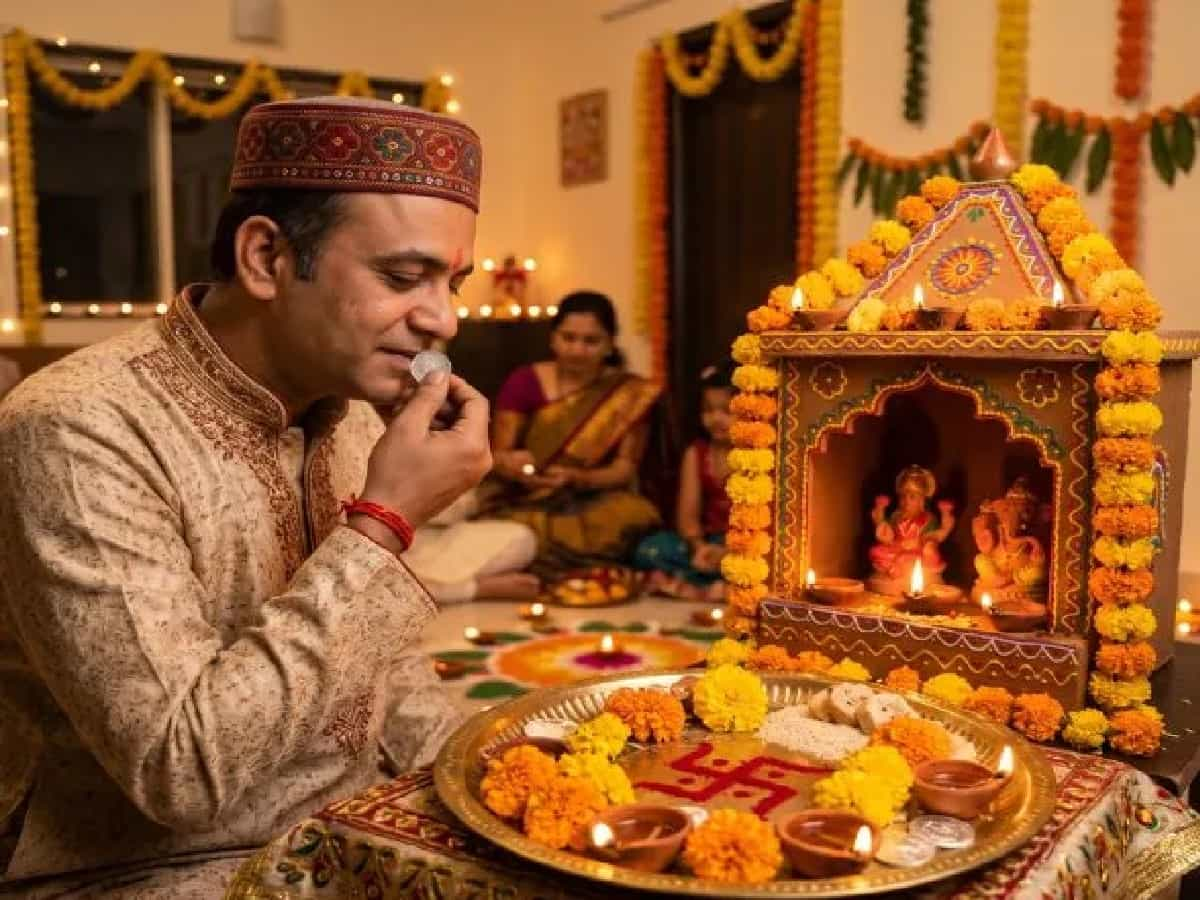
As the festive glow of Dhanteras ushers in Diwali celebrations across India and the global diaspora, different communities breathe life into age-old regional traditions that reflect their distinctive cultural ethos. Among the Sindhi community, the festival of lights is affectionately referred to as "Diyari," an auspicious occasion observed with profound reverence, familial solidarity, and unique ceremonial customs. While households nationwide worship Goddess Lakshmi and Lord Ganesha to invite wealth and auspiciousness, Sindhi families observe a striking domestic ritual immediately following the evening Lakshmi Puja: picking up a consecrated silver coin from the altar and gently tapping it against their teeth. Accompanied by the sacred vernacular chant "Lakshmi aayi, daanat vai" (Goddess Lakshmi has arrived, and misfortune has departed), this intimate ritual embodies centuries of folklore, mercantile wisdom, and spiritual symbolism designed to safeguard families against poverty while sanctifying the home for the year ahead.
Diyari Celebrations: Preserving Ancient Roots Across the Sindhi Diaspora
For the Sindhi community, whose heritage traces back to the banks of the historic Indus River (Sindhu), Diyari represents far more than an annual holiday; it is an enduring spiritual anchor that keeps a globally dispersed community deeply bound to its roots. Long before the festival night arrives, preparations begin with the deep cleansing and energetic purification of the household. A cornerstone of the Sindhi Diyari tradition is the construction and consecration of the "Hathaldi"—a miniature temple or sacred dwelling crafted out of clay or wood.
Within this intricately decorated Hathaldi, families lovingly install newly acquired clay idols of Goddess Lakshmi and Lord Ganesha. The shrine is traditionally retained at the primary domestic altar from the night of Dhanteras and Diwali straight through to Bhai Dooj, serving as a sanctified focal point for daily offerings, meditation, and devotional singing. Elders in the family explain that housing the deities within the Hathaldi signifies providing the Divine Mother with a permanent, welcoming residence within the family's heart and hearth, ensuring that her auspicious presence does not depart when the festive lights dim.
The Sacred Bath of Wealth: Preparing Silver and Gold for Lakshmi Puja
The rituals preceding the evening prayer involve meticulous preparations that reflect both spiritual devotion and the historical mercantile heritage of the community. A large brass, silver, or bronze puja plate (thali) is sanctified by drawing auspicious motifs, including the Swastika and sacred footprints of Goddess Lakshmi, using freshly ground sandalwood paste and pure vermilion (sindoor).
Before being placed upon the altar, ancestral silver and gold coins—many of which have been handed down across generations through family lineages—undergo a purifying ritual bath. Family members gently wash the coins with raw cow's milk (kachha doodh) followed by sacred water infused with Gangajal. This ceremonial cleansing serves a dual metaphysical purpose: it purges the metallic currency of any negative energetic residue accumulated through commercial transactions, and it symbolizes the absolute purity required to invoke Lakshmi's grace. Once dried, the coins are arranged in neat rows upon the plate, adorned with grains of unbroken white rice (akshat), fresh marigold petals, and a dusting of turmeric and vermilion. The decorated plate is then placed at the feet of the deities inside the Hathaldi as the primary Lakshmi Puja gets underway.
'Lakshmi Aayi, Daanat Vai': The Secret Behind Touching Coins to Teeth
The defining moment of the Sindhi Diyari prayer occurs just as the main aarti concludes. Family members assemble closely around the sanctified puja thali, and the head of the household invites each member to pick up one of the freshly consecrated silver coins. In a solemn yet joyful gesture, each person gently touches the smooth edge of the silver coin against their front teeth. As the metal touches the teeth, the devotee repeats the ancient Sindhi phrase: "Lakshmi aayi, daanat vai"—translated as "Goddess Lakshmi has arrived; scarcity and poverty have been banished forever."
Scholars of folklore and community elders point to several layered explanations behind this distinct practice. In historical trading eras, seasoned merchants and jewelers intuitively tapped precious coins against their teeth to test the resonance, weight, and authenticity of genuine silver or gold, ensuring the metal was pure and unadulterated. Over the centuries, this commercial habit transitioned into an elevated devotional rite: touching the coin to the teeth symbolizes that the wealth entering the home is genuine, earned through righteous, honest labor (Dharmi Kamai), and acknowledged with gratitude.
On an esoteric and psychological plane, touching wealth to the teeth and mouth carries profound spiritual symbolism. The mouth is the organ through which sustenance enters the body and through which speech is projected into the world. By touching consecrated Lakshmi-swaroop metal to the teeth, devotees pray that the food sustaining their physical form will always remain pure and abundant, ensuring that the household never experiences starvation. Concurrently, it serves as a vow that the words leaving their lips will remain truthful, sweet, and aligned with righteousness, recognizing that foul speech and dishonesty inevitably drive Goddess Lakshmi away. The invocation of "daanat vai" serves as a verbal decree casting out all lingering remnants of misfortune, sickness, and financial scarcity, replacing them with universal contentment.
Culinary Harmony: The Seven-Vegetable Tradition of Saat Bhaji and Sai Bhaji
No Sindhi celebration is complete without its rich culinary heritage, and Diyari is distinguished by traditional festive delicacies specifically prepared to mark the occasion. Central to the festive feast is the preparation of "Saat Bhaji," a sacred, nutrient-dense curry prepared by stewing together seven distinct seasonal vegetables, including spinach, dill leaves, fenugreek, lotus stem (kamal kakdi), carrots, and seasonal gourds. Cooked alongside fragrant split Bengal gram, this harmonious medley represents the seven forms of planetary blessings, the bounty of the autumn harvest, and the interconnectedness of all living organisms.
Alongside Saat Bhaji, kitchens fill with the rich aroma of traditional "Sai Bhaji"—the beloved Sindhi spinach and lentil preparation—served alongside hot, aromatic rice or lightly spiced vegetable pulao (Bhua Chaawal). The communal meal is concluded with an assortment of artisanal sweets, such as Sev Barfi, Singhar Ji Mithai, and crispy Gheyar. Once the family has dined together in harmony, rows of earthen clay lamps (diyas) fueled with mustard oil or clarified butter are placed along every balcony, window, and doorway. In alignment with age-old folklore, Sindhi families traditionally keep their main entrance slightly ajar or well-lit throughout the night of Kartik Amavasya, ensuring that Goddess Lakshmi encounters an illuminated threshold as she traverses the mortal world.
Living Heritage: How a Resilient Community Sustains Its Sacred Wisdom
The observance of Diyari and the cherished coin-to-teeth ritual highlight the extraordinary resilience and cultural continuity of the Sindhi community. Following the traumatic displacements of the 1947 Partition, which uprooted millions from their ancestral homeland in Sindh, the preservation of domestic rituals within home sanctuaries became a vital mechanism for sustaining community identity, ethical values, and spiritual strength across generations.
Today, whether celebrated in Mumbai, Ulhasnagar, Ahmedabad, Delhi, or across diaspora hubs in Dubai, London, and North America, the gentle tapping of the silver coin against the teeth remains a unifying cultural ritual. It reminds the younger generation that true prosperity is not merely measured by bank balances or commercial assets, but by the purity of the mind, the integrity of spoken words, and the warmth of familial bonds. As the sacred words "Lakshmi aayi, daanat vai" resonate through modern living rooms on Diwali night, the ancient wisdom of the Indus Valley continues to shine brightly, proving that timeless faith and shared heritage remain an indestructible fortress against life's uncertainties.




