







Bhai Dooj 2026: Why Yamuna Snan Protects From Untimely Death
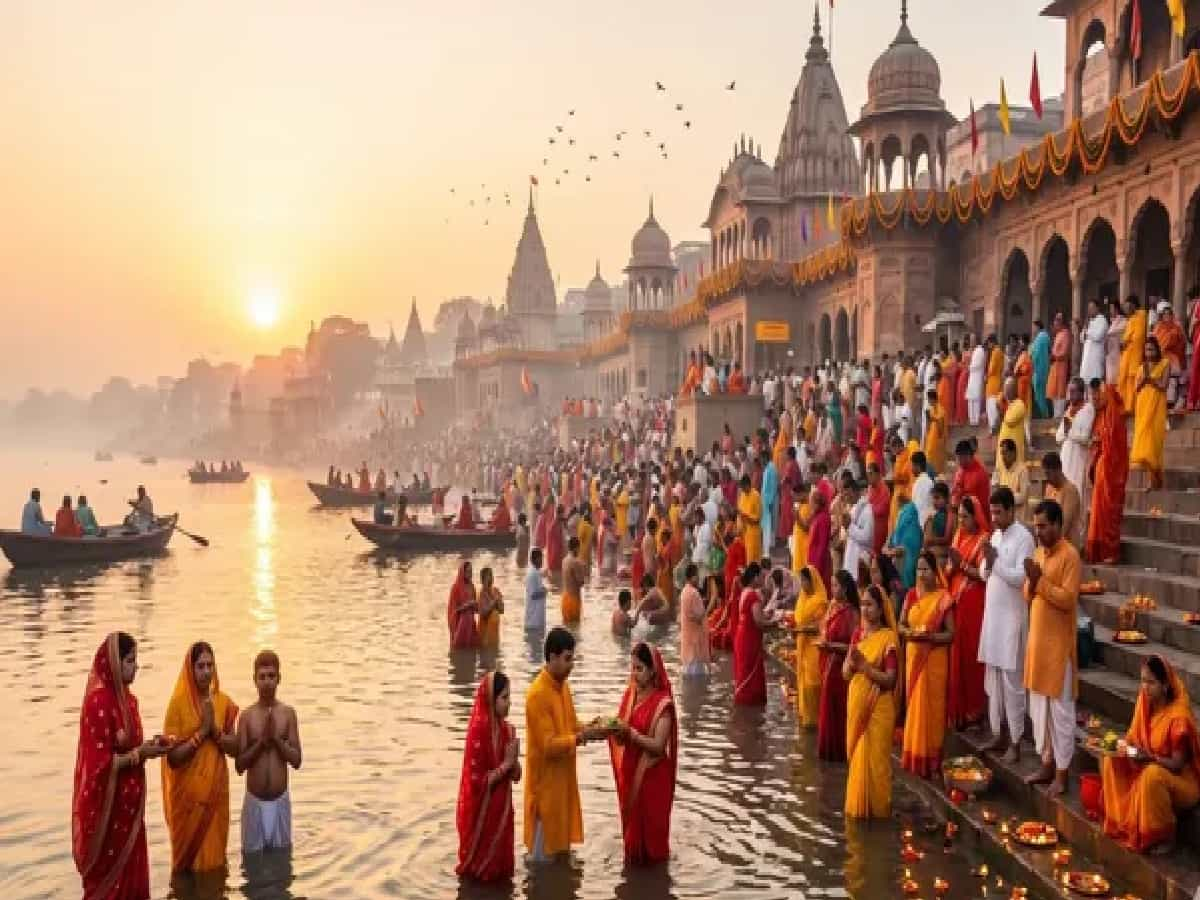
As the festive glow of Diwali and Govardhan Puja transitions toward the final observance of the five-day Deepavali festive cycle, millions of devotees across northern India are preparing for the sacred celebration of Bhai Dooj. Known in liturgical Sanskrit literature as Yama Dwitiya and Bhratri Dwitiya, this auspicious occasion falls on the Dwitiya Tithi of the Shukla Paksha in the holy Hindu month of Kartik. While the festival is widely observed across households with sisters applying auspicious vermilion and unbroken rice grains to their brothers' foreheads, an extraordinary pilgrimage unfolds simultaneously along the riverbanks of northern India. Every year, massive throngs of pilgrims, siblings, and seekers gather before sunrise along the sacred ghats of the Yamuna River—most notably at the historic Vishram Ghat in Mathura, as well as bathing sites in Prayagraj, Vrindavan, Agra, and Delhi. According to sacred Vedic scriptures and oral lore deeply rooted across Uttar Pradesh, taking a ceremonial holy dip in the waters of the Yamuna on this precise day bestows an extraordinary spiritual shield: absolute liberation from the dread of premature mortality (Akal Mrityu) and immunity from the harsh punishments of the god of death.
The Cosmic Reunion: How Yamraj Visited Sister Yamuna on Kartik Dwitiya
The sacred foundation of the holy Yamuna bath is rooted in an ancient Puranic narrative detailing the affectionate bond between Lord Yamraj, the cosmic judge of righteousness (Dharmaraja) and lord of mortality, and his sister, the sacred river goddess Yamuna (also revered as Yami). Born to Lord Surya Dev (the Sun God) and his consort Sanjna (Saranyu), the celestial siblings shared an unbroken emotional bond despite inhabiting vastly different cosmic realms. While Yamuna descended to the terrestrial realm as a life-giving, purifying river flowing through the heartlands of Bharatvarsha, Yamraj was tasked with the solemn cosmological duty of maintaining cosmic justice, weighing the karmic deeds of departed souls, and administering the realms of the afterlife.
Consistently occupied with the ceaseless balance of universal karma, Yamraj was repeatedly unable to accept his sister’s affectionate invitations to visit her dwelling. Year after year, Yamuna extended earnest requests, longing to prepare a nourishing home-cooked meal for her brother. Finally, on the second lunar day of the bright fortnight of Kartik, Yamraj surprised his sister by arriving at her doorstep along the serene banks of the river. Overwhelmed with joy and maternal devotion, Goddess Yamuna welcomed him with utmost reverence. She performed a ceremonial ablution, applied a cooling mark of sandalwood paste and vermilion to his brow to relieve the exhaustion of his cosmic duties, and served him an elaborate feast prepared with pure devotion.
The Sacred Boon of Immortality: Liberation from Akal Mrityu
Moved to tears by his sister’s unconditional hospitality and unblemished affection, Yamraj felt a profound sense of inner fulfillment that his divine responsibilities rarely afforded him. Before concluding his visit, the cosmic arbiter insisted that Yamuna ask for any celestial blessing she desired. Rather than requesting material opulence, eternal dominion, or personal boons, the compassionate river goddess petitioned her brother for a boon that would alleviate one of humanity’s deepest existential terrors: the fear of death, agony, and premature dissolution.
Yamuna extracted a sacred, non-negotiable decree from Yamraj. She asked that any brother who travels to his sister’s house on Kartik Shukla Dwitiya, receives her sacred tilak, and partakes of food lovingly cooked by her hands should be freed from the terror of sudden, untimely demise (Akal Mrityu) and granted long life, flourishing health, and worldly prosperity. Furthermore, Yamuna asked for a specific spiritual benediction for her sacred waters: that any devotee—particularly brothers and sisters who immerse themselves together in the Yamuna River on Yama Dwitiya—shall be forever liberated from the terror of Yamraj’s messengers (Yamadutas). Yamraj granted both boons without hesitation, declaring that those who bathe in the Yamuna on this tithi would bypass the karmic torment of the netherworlds, living a fearless, blessed life protected by divine grace.
The Holy Dip at Vishram Ghat: The Living Tradition in Mathura and Uttar Pradesh
While the ritual bath holds spiritual potency along the entire course of the river, nowhere is this ancient tradition observed with greater visual and devotional splendor than in the holy city of Mathura in western Uttar Pradesh. On the morning of Bhai Dooj, the riverfront at Vishram Ghat witnesses an awe-inspiring human gathering as hundreds of thousands of pilgrims assemble under the misty autumn dawn. According to local cultural custom, brothers and sisters arrive at the water’s edge holding hands, descending the stone steps together into the sacred river to perform what is known in the Brij region as the Yugal Snan (paired holy bath).
As siblings submerge themselves into the cold, flowing waters of the Yamuna, they recite ancient Vedic mantras dedicated to Surya, Yamraj, and Yamuna, seeking protection against physical afflictions, unforeseen accidents, and lingering family discords. Following the bath, pilgrims proceed directly to the sacred Yamraj-Yamuna temple located adjacent to Vishram Ghat—celebrated as the only temple in the entire Indian subcontinent where the lord of death and his sister are worshipped together upon a unified altar. Devotees offer black sesame seeds, mustard oil lamps, and marigold garlands, followed by customary charity (Daan) of grains, warm woolen blankets, and brass utensils to the needy, cementing a cultural practice that has remained unbroken through centuries of Indian history.
The Spiritual Science: Why Water and Sibling Energy Purify Karma
In traditional Indian metaphysical thought and Ayurvedic philosophy, the ritual bath on Yama Dwitiya represents a conscious alignment with planetary and seasonal energies. Astrologically, Yamraj is associated with the planet Saturn (Shani), embodying discipline, karmic retribution, and the passage of time, while Yamuna represents the fluid, nurturing life-force of pure solar ancestry (Surya Putri). The transition into the month of Kartik marks a seasonal shift toward cooler winter temperatures, a time when human physiology becomes more susceptible to lethargy, bodily humors, and psychological melancholy.
Immersing oneself in running natural waters while holding the hand of a sibling activates deep emotional reconciliation and spiritual grounding. In Vedic psychology, the bond between brother and sister is considered one of the purest expressions of non-transactional human affection, free from the possessiveness that often complicates other worldly relationships. When two individuals bound by blood and shared heritage stand together in sacred waters with hearts anchored in mutual prayer, the combined energetic vibration neutralizes dense negative impressions (Samskaras), dispelling mental anxieties regarding mortality and illness. Water serves as a living conductor of spiritual energy, washing away emotional burdens and rejuvenating the vitality of the physical body.
Auspicious Timings and Ritual Guidelines for Bhai Dooj 2026
For devotees planning to observe the sacred Yamuna bath and perform the subsequent festival ceremonies during the 2026 festive calendar, astrologers and Vedic scholars emphasize adhering to precise astronomical windows (Shubh Muhurat). According to the Hindu panchang, the Dwitiya Tithi of Shukla Paksha in Kartik month governs the daytime hours of Wednesday, November 11, 2026, marking it as the universally accepted date for both the holy bath and the tilak ceremony.
Vedic authorities recommend performing the sacred bath in the river during the auspicious Brahma Muhurta and early morning twilight hours, typically between 04:45 AM and 06:15 AM, when the atmospheric air is saturated with pure prana and spiritual stillness. For devotees unable to physically travel to the banks of the Yamuna in Mathura, Prayagraj, or Vrindavan, religious scholars advise adding a few drops of consecrated Yamuna water or holy Gangajal to domestic bathwater at home while meditating upon Goddess Yamuna with sincere devotion. Following the morning cleansing, the primary auspicious afternoon window (Aparahna Muhurat) for sisters to apply the ceremonial tilak to their brothers’ foreheads on November 11 opens at 01:10 PM and concludes at 03:20 PM. By honoring this timeless rhythm of ritual bathing, protective tilak, and loving hospitality, families continue an ancient legacy of mutual prayer, proving that love, duty, and spiritual reverence remain humanity's most enduring shields against the uncertainties of fate.




