desk
desk Share
Share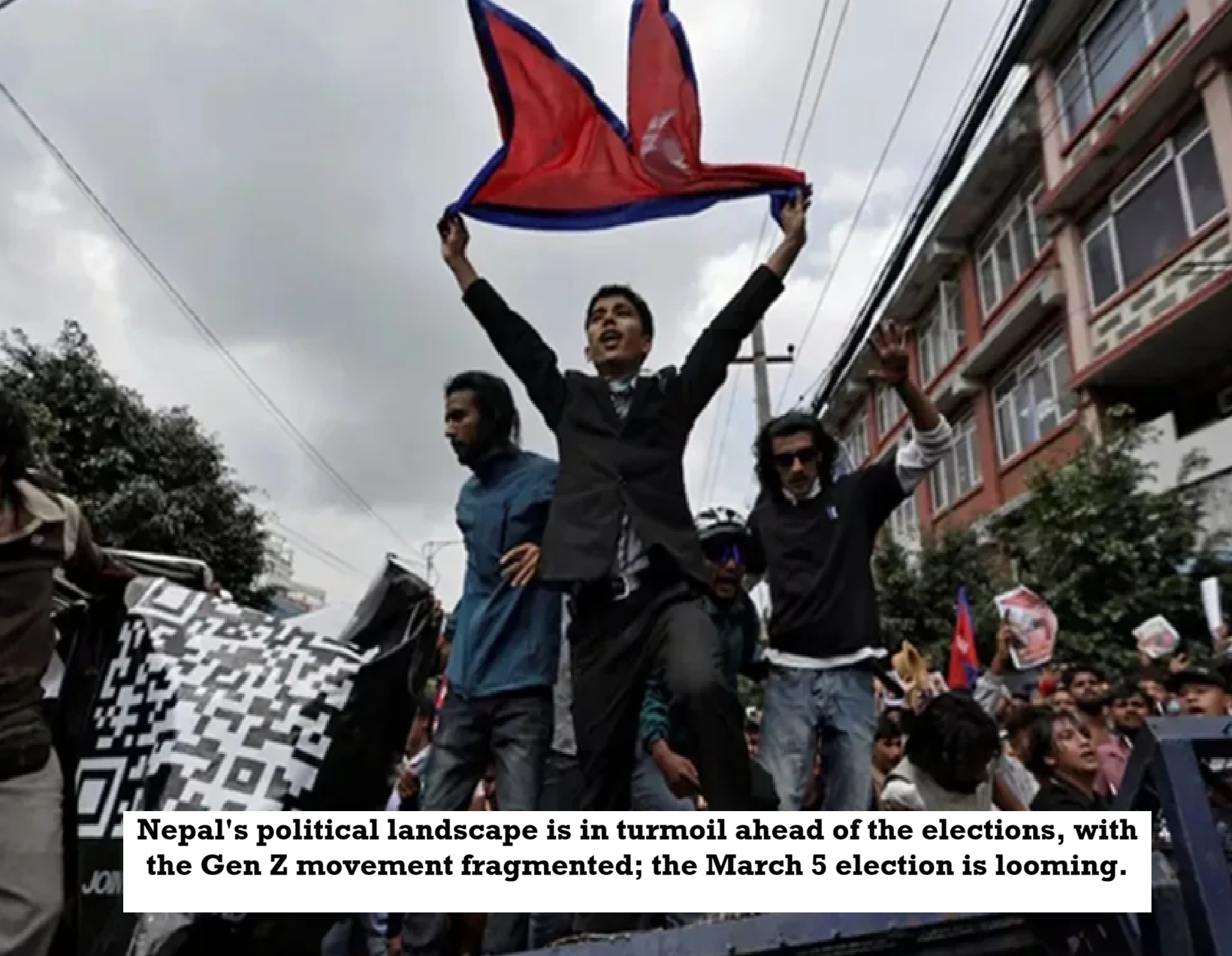
News Topical, Digital Desk : The crisis surrounding Nepal's general elections, scheduled for March 5th, is deepening. Less than two and a half months remain until the elections, but the political situation remains unclear. Seventeen petitions have been filed in the Supreme Court so far, seeking to halt the elections and restore Parliament. Hearings on these petitions are expected to begin in the first week of January.
The interim government led by Prime Minister Sushila Karki, formed under pressure from the Gen Z movement, has announced election dates, but the legal and political controversy surrounding the dissolution of Parliament is growing. Several MPs from the CPN-UML and the Nepali Congress are demanding the reinstatement of Parliament.
'60 % preparations for the elections are complete '
Meanwhile, the Election Commission says that approximately 60 percent of the preparations for the elections have been completed. The deployment of the army for security has also begun, but the Supreme Court's decision will determine the outcome of the elections.
The Gen Z movement itself is grappling with internal divisions. A 10-point agreement was reached with the interim government, but there is no consensus within the movement on how to implement it. Gen-Z's demands on issues such as constitutional amendments, corruption investigations, and electoral reforms remain unfulfilled.
Gen-Ji is not a cohesive political party. It is a coalition of diverse social and ideological groups. Consequently, there is neither a central leadership nor a clear electoral strategy. Some factions favor postponing elections, while others believe that contesting elections is the only way to bring about change.
KP Sharma Oli became party president for the third time
Amid this confusion, Gen-G leaders are trying to bring together Kathmandu Mayor Balen Shah, National Independent Party leader Ravi Lamichhane, and former Electricity Authority chief Kulman Ghising. However, despite several meetings, no agreement has yet been reached on a united front or a common declaration.
Amid the political turmoil, even the old parties have become aggressive. KP Sharma Oli has been elected president of the CPN-UML for the third time. Meanwhile, Pushpa Kamal Dahal ( Prachanda ) has merged several left parties to form the new Nepali Communist Party ( NPC) .
The Finance Ministry building, which was damaged by protesters during demonstrations three months ago, has now been renovated. This development highlights the intensity of the recent movement. Uncertainty, polarization, and a show of strength are all playing out in Nepal's political landscape ahead of the elections. The Supreme Court's decision, the direction of the Gen-G movement, and the strategies of the old parties will all determine the future of the upcoming elections.
Gen Z and the government still disagree on these 5 issues
- Constitutional amendments – no concrete guarantee of amendments before elections
- Written assurances – no clear written promises from the government or major parties
- A corruption inquiry commission has been formed, but KP Sharma Oli and former Home Minister Ramesh Lekhar have not yet been questioned.
- Accountability for violence: Questions about the pace of investigations into the violence during the protests
- Electoral reforms – demand for proportional representation and increased transparency
Read More: Israel issues warning to Lebanon: 'Evacuate these seven towns'
--Advertisement--