desk
desk Share
Share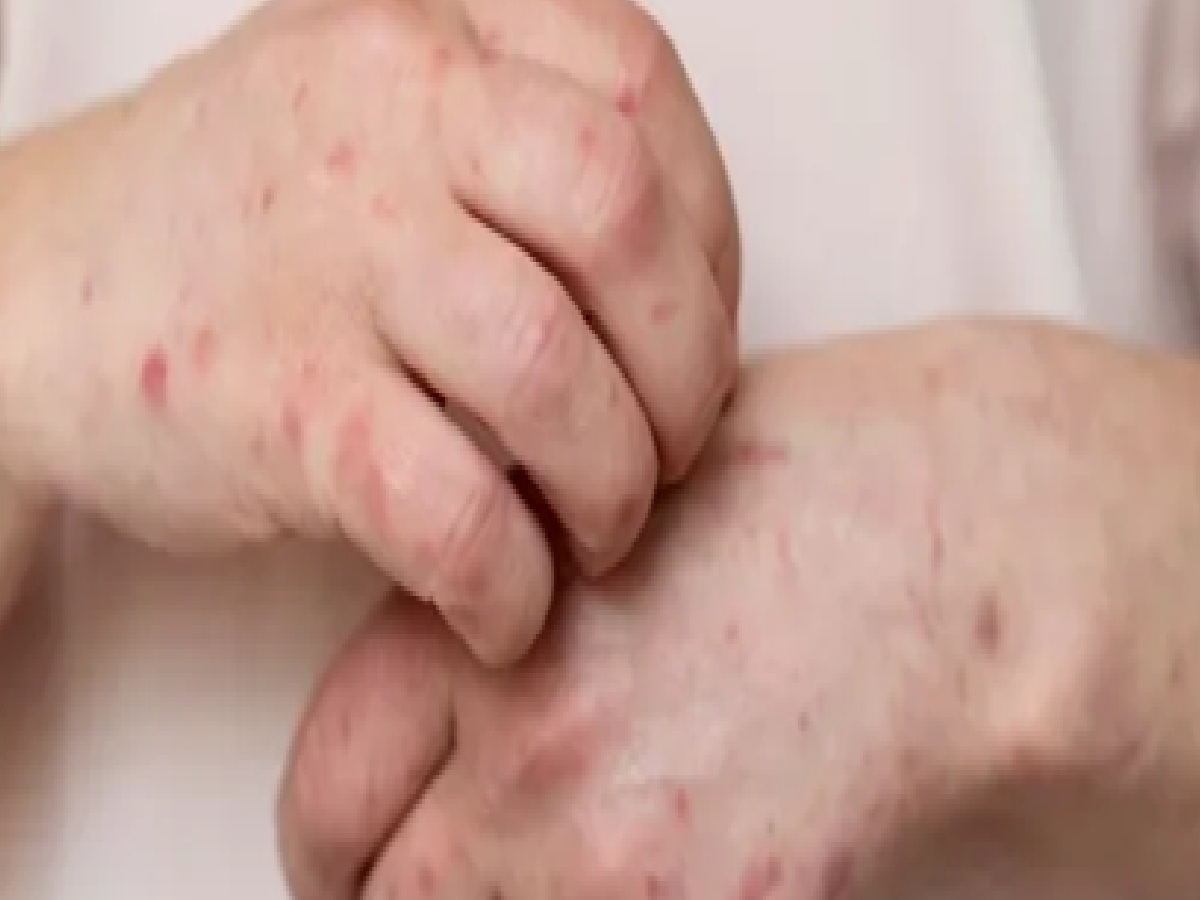
News Topical, Digital Desk : Measles has claimed 118 lives in Bangladesh so far, and it's estimated that there are approximately 2,006 patients nationwide, the vast majority of whom are children. Patients are being treated in hospitals, but prevention is crucial in such a serious situation.
Measles, also known as measles, is a virally transmitted infectious disease that causes a rash and flu-like symptoms. Let's explore how this disease affects the body, its symptoms, and what precautions are necessary for prevention.
What is measles?
Measles is a rapidly spreading disease that spreads from person to person through the air. The most common symptom is a red rash that often appears on the body, often mistaken for a simple rash, but it's actually much more serious.
If not treated at the right time, it can lead to life-threatening conditions like pneumonia and swelling in the brain .
What are the symptoms of measles?
Symptoms of measles appear about 10 to 14 days after exposure to the virus.
- High fever – The infection often begins with a very high fever.
- Cough and cold – Dry cough and runny nose are its initial signs.
- Redness of the eyes – Burning, redness or watering of the eyes.
- Koplik spots – Small red spots with white centers on the inside of the cheeks inside the mouth are a hallmark of measles.
- Body rashes: A few days after the fever begins, red, flat rashes start appearing on the face and spread all over the body.
- Other symptoms – Fatigue, sore throat, muscle aches , and digestive problems such as diarrhea and vomiting may also occur.
How does it spread?
Measles is an airborne disease. When an infected person coughs or sneezes, virus particles are released into the air. The virus can survive in the air or on contaminated surfaces for up to two hours. If a healthy person breathes in that air or touches their nose or mouth after touching an infected surface, they can become infected.
What to do for protection?
The most effective and safe way to prevent measles is vaccination. There are other precautions you can take to stay safe:
- The most important vaccination is the MMR vaccine - two doses of the MMR vaccine for measles, mumps, and rubella. The first dose is given at 12-15 months of age and the second at 4-6 years of age. Adults, if not vaccinated in childhood, should also receive the vaccine on the advice of a doctor.
- Practice good hygiene – wash your hands regularly with soap and water for at least 20 seconds. If soap is unavailable, use a hand sanitizer containing 70-80% alcohol. Use a tissue when coughing or sneezing and dispose of it immediately in the trash.
- Distance from an infected person: If someone around you has measles, maintain distance from them. Avoid crowded and poorly ventilated areas. The infected person should self-isolate for four days after the rash appears.
- Medical advice: If you have been in contact with an infected person, see a doctor within 72 hours. Vaccines taken in a timely manner can prevent serious illness.
Read More: Feeling stressed for no reason? Are you a victim of 'secondhand stress'? Learn how to prevent it.
--Advertisement--