desk
desk Share
Share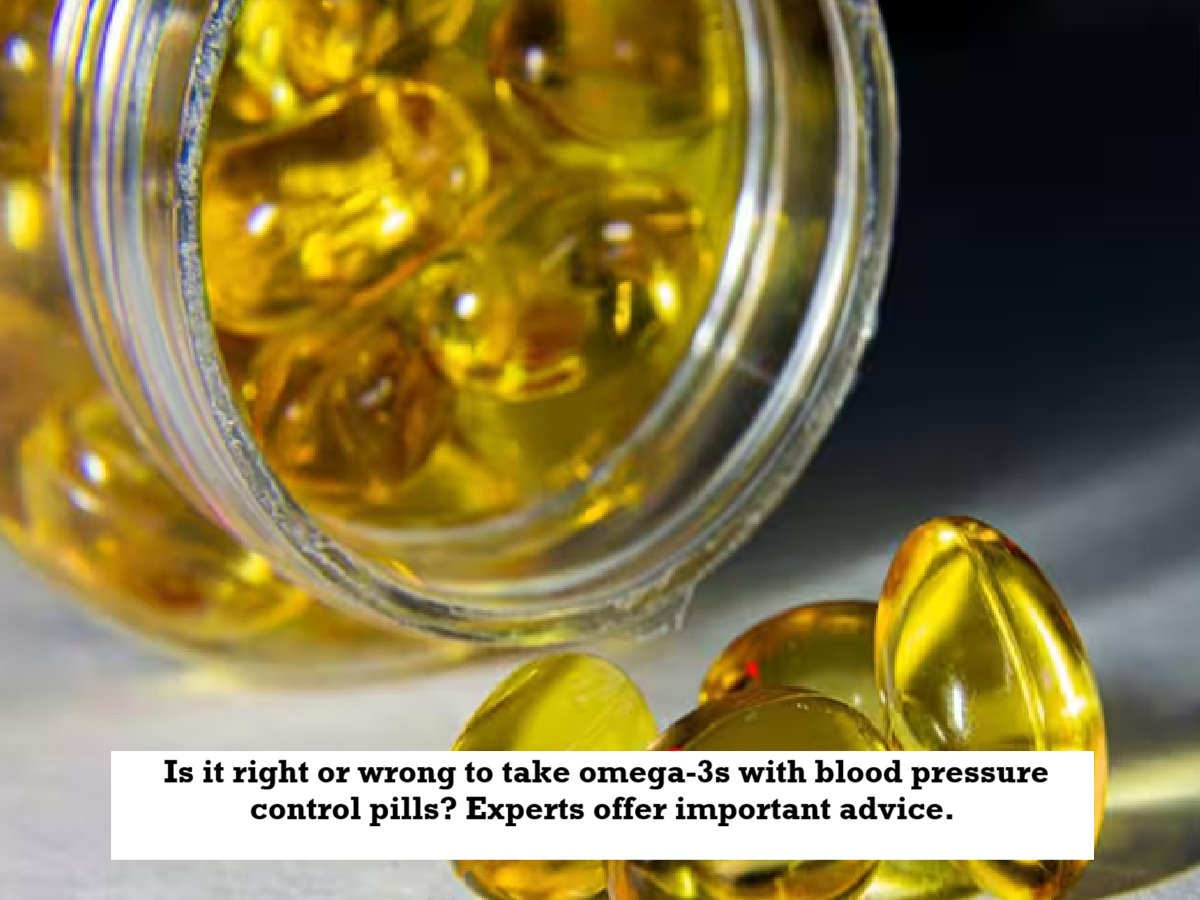
News Topical, Digital Desk : High blood pressure patients often have the question of whether fish oil or omega-3 supplements can be taken along with blood pressure medications. There's confusion about fish oil, which is considered beneficial for heart health. Cardiologists say that in most cases, fish oil supplements can be taken along with blood pressure medications, but a doctor's advice is necessary. Omega-3 fatty acids help reduce inflammation in blood cells, increase arterial flexibility, and lower triglyceride levels. Some research also suggests that they may be helpful in mildly lowering blood pressure.
No drug interactions, but caution is necessary
According to experts, fish oil does not negate the effectiveness of blood pressure-control medications such as ACE inhibitors, ARBs, calcium channel blockers, beta-blockers, and diuretics. Therefore, it can be taken as a support supplement. However, if a person's blood pressure is already controlled with medication, adding fish oil may lower blood pressure slightly. This does not cause serious problems in most people, but in the elderly or those taking multiple medications, blood pressure may drop excessively. This can lead to symptoms such as dizziness, lightheadedness upon standing, or fainting.
Excessive doses may increase the risk of bleeding
Fish oil has a mild blood-thinning effect. While supplementation in normal amounts is generally considered safe, taking more than 3 grams of EPA and DHA daily may increase the risk of bleeding. This is especially important for those already taking aspirin or other blood-thinning medications. Many fish oil capsules list 1000 mg of fish oil, but they contain only about 300 mg of actual omega-3s. This amount is considered safe for general heart health. Higher doses, which may be more effective for high triglycerides or blood pressure, should be taken under medical supervision.
The quality of the supplement also matters
Omega-3 fatty acids can be affected by heat, light, and air. If supplements are improperly stored or are nearing expiry, their quality may deteriorate and they may develop a foul or bitter taste. Furthermore, the body's ability to absorb omega-3s can vary. Despite the same dosage, two supplements may not necessarily have the same effect. Furthermore, doctors clearly state that fish oil is not a substitute for blood pressure medications. Regular exercise, maintaining a balanced weight, reducing salt intake, limiting alcohol, and managing stress are the most effective measures to control high blood pressure.
Read More: Morning Heel Pain: You feel pain in your heels as soon as you wake up in the morning.
--Advertisement--