desk
desk Share
Share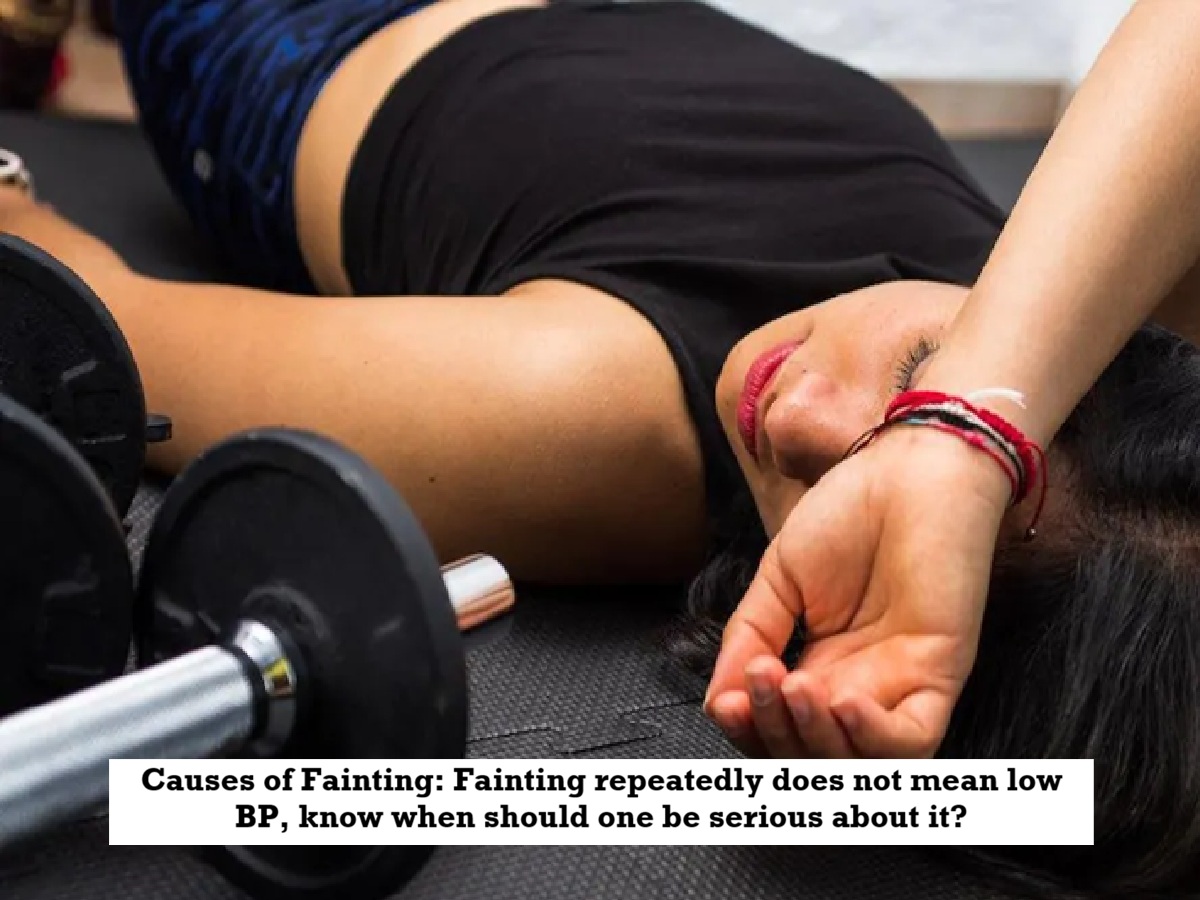
News Topical, Digital Desk : The kind of fainting that you might have seen in movies and TV shows, it does not happen in real life. Many people do not take fainting seriously. Sometimes dizziness due to skipping breakfast or drinking less water can be normal, but if fainting occurs repeatedly, then it is a warning signal from the body. When it happens repeatedly, then usually there is a big reason behind it. It is important to find out the correct reason, because if the reason is understood, then it becomes easier to stop it. Let us tell you about it on the basis of medical reports of Cleveland Clinic and WebMD, which provide information on health topics.
What is its effect on the body?
Doctors call fainting a syncope. This is a general medical term. A person can faint when not enough blood is reaching the brain for a few moments. This can happen if you suddenly stand up, become overheated, or experience sudden stress. Dehydration is also a contributing factor. This problem is more common in people over 70. However, if you repeatedly faint without any apparent reason, it is not considered normal.
Does the heart have any problems?
According to a report from heart.org, sometimes repeated fainting can be related to heart problems. If the heart isn't pumping enough blood, the brain doesn't get enough oxygen, and a person can suddenly faint. Heart-related fainting often occurs without warning. If fainting occurs during physical activity or is accompanied by symptoms such as chest pain, shortness of breath, or a rapid heartbeat, don't ignore it. It could be an emergency.
Causes of fainting
The heart isn't always the cause. Neurological problems, stroke, and orthostatic hypotension can also cause fainting. Severe anemia, low blood sugar, or hormonal imbalances can also be responsible. Fortunately, in most cases, lifestyle changes can help reduce fainting episodes. Drinking enough water, avoiding large crowds, avoiding prolonged standing, and eating a balanced diet can all help.
When is it necessary to see a doctor?
If you experience more than one fainting spell, if you lose consciousness for more than a minute, if you faint without warning, or if you regain consciousness and are confused, consult a doctor immediately. Be even more cautious if you have a family history of heart disease. Your doctor may order tests like blood tests, heart monitoring, or nervous system tests to determine the exact cause. If the cause turns out to be heart-related, a pacemaker may be necessary in some cases.
--Advertisement--