desk
desk Share
Share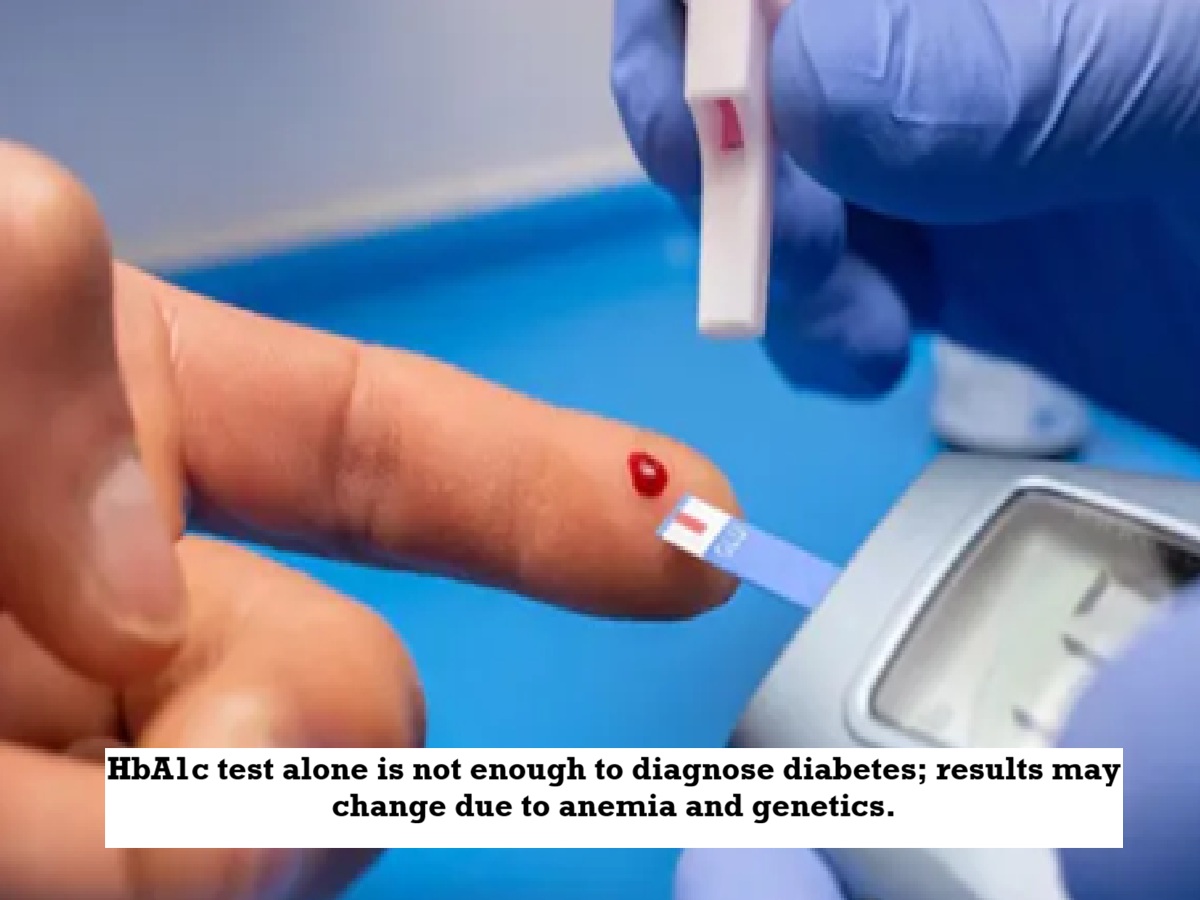
News Topical, Digital Desk : If you blindly rely on the HbA1c test for diabetes, be cautious, as it is not certain that this test will give accurate results every time in a country like India.
The study, published in The Lancet Regional Health Southeast Asia journal, said that in a country like India, where anaemia and some genetic blood diseases are prevalent, they can cause fluctuations in the test results.
Treatment delayed by four years
This can sometimes lead to a delay of up to four years in diagnosing diabetes, with women and rural populations particularly vulnerable.
- Iron deficiency and genetic blood disorders affect the figures.
- The risk of complications in rural and tribal areas was reported to be higher than in urban hospitals.
- Oral glucose tolerance test, home sugar testing and other blood tests are also recommended.
Anemia and genetics affect outcomes
It's worth noting that the HbA1c test measures a person's average blood sugar level over the past 2-3 months. Generally, a level below 5.7 percent is considered normal, 5.7 to 6.4 percent is considered pre-diabetes, and 6.5 percent or higher is considered diabetes. However, in people with anemia or congenital blood disorders, this test may give a different result than the actual blood sugar level.
The research, led by Professor Anoop Mishra and colleagues, questions the sole reliance on HbAC for the diagnosis or monitoring of type 2 diabetes in South Asia.
The researchers say that if doctors rely solely on this test, many patients may be diagnosed with diabetes late or even incorrectly. Variations in age and red blood cell count also affect the results.
Experts warn that iron deficiency is very common in many areas of India, which can lead to higher HbAC levels. Furthermore, in people with certain enzyme deficiencies, diabetes can be diagnosed for years. Test quality varies across labs, which can contribute to confusion.
Don't rely on one test
The research recommends not relying on just one test to diagnose diabetes. Oral glucose tolerance tests, home sugar monitoring, and other blood tests should be performed as needed. Options like continuous sugar monitoring machines in larger hospitals may also be useful.
The conclusion is that in areas where anemia and blood-related problems are high, combining multiple tests is a safer and more reliable way to accurately diagnose diabetes. Health experts recommend a comprehensive approach to diabetes screening, leading to better health outcomes for patients.
Read More: Feeling stressed for no reason? Are you a victim of 'secondhand stress'? Learn how to prevent it.
--Advertisement--