







Bhai Dooj Anthem: How 'Baby Lata' Immortalised 43-Year Classic
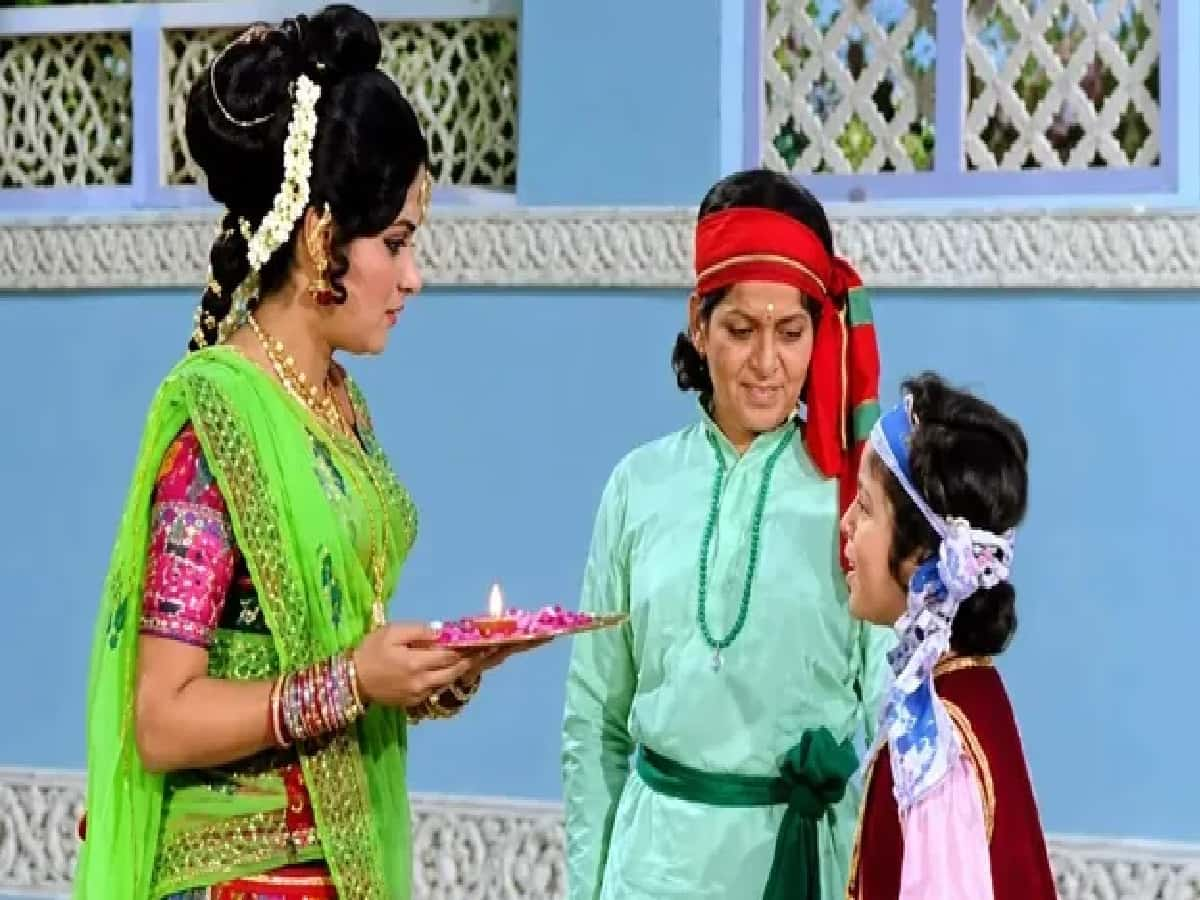
As the earthen lamps of Diwali give way to the sacred festive dawn of Bhai Dooj across northern India, courtyards from the historic lanes of Old Lucknow to the wider Awadh and Bhojpuri belts are once again echoing with the resonant verses of traditional festival music. While contemporary cinema frequently churns out fast-paced holiday anthems, one vintage classic recorded forty-three years ago continues to command an emotional monopoly over the festival of sibling devotion. Released in the 1983 mythological feature film Navratri, the soul-stirring melody "Bhaiya Dooj Suhani" remains the undisputed musical decree of sisterly love across Hindi-speaking heartlands. Rendered in the crystal-clear, evocative vocals of playback veteran Hemlata—famously celebrated across the corridors of Bollywood as "Baby Lata"—and conceived by the lyrical and melodic maestro Ravindra Jain, this enduring composition has bridged five decades of cultural change to remain the irreplaceable auditory heartbeat of the auspicious festival.
The 43-Year Legacy: Why 'Bhaiya Dooj Suhani' Remains the Festival Anthem
The enduring prominence of "Bhaiya Dooj Suhani" illustrates a unique cultural phenomenon within Indian popular music, where specific cinematic tracks transcend their theatrical roots to become liturgical folk heritage. Commissioned for the 1983 devotional cinema project Navratri, the track was created to accompany a pivotal on-screen sequence celebrating the tender bond between a brother and sister. Rather than treating the song as incidental background scoring, the creative team crafted an authentic festive ballad that mirrored the living traditions of domestic households.
Four decades later, the composition functions as an emotional time capsule. Across radio waves, regional morning broadcasts, digital streaming compilations, and festive social media video montages, the arrival of Bhai Dooj remains incomplete without Hemlata’s gentle opening notes drifting through households. The track captures the domestic intimacy of the festival morning: the aroma of freshly fried festive savories, the preparing of brass puja platters, the grinding of fragrant sandalwood paste, and the quiet prayers whispered by sisters for the health, prosperity, and longevity of their brothers. For millions of families who grew up listening to the recording on vinyl gramophones, cassette tapes, and now high-definition streaming platforms, the song is not merely entertainment; it is an ancestral seasonal ritual.
The 'Baby Lata' Moniker: Hemlata's Melodic Affinity with Lata Mangeshkar
At the emotional core of the song's timeless appeal is the vocal brilliance of Hemlata, one of the most distinctive and classically grounded playback voices of Indian cinema’s golden era. Discovered in her early youth and nurtured by classical stalwarts, Hemlata earned the affectionate industry sobriquet "Baby Lata" due to her astonishing vocal parity with the "Nightingale of India," Bharat Ratna Lata Mangeshkar. Possessing an uncanny similarity in timber, microtonal sweetness, and breath control, Hemlata was capable of hitting high-octave notes with effortless grace, infusing her renditions with an unmistakable purity that recalled Mangeshkar's finest devotional recordings.
In "Bhaiya Dooj Suhani", Hemlata leveraged this melodic quality to channel the authentic emotional vulnerability of a devoted sister. Her voice avoids artificial vocal acrobatics, opting instead for a conversational, prayer-like cadence that resonates with listeners of all ages. Music historians note that while many playback singers attempted to emulate Lata Mangeshkar’s vocal architecture, Hemlata preserved a distinct, earthy folk warmth that made her the undisputed first choice for pastoral, semi-classical, and regional festive compositions throughout the late 1970s and 1980s. Her performance in Navratri stands alongside her celebrated works in Ankhiyon Ke Jharokhon Se and Nadiya Ke Paar, showcasing an artistry rooted in cultural sincerity.
The Genius of Ravindra Jain: Crafting Folk Melody with Spiritual Depth
While Hemlata’s vocals gave the song its wings, the conceptual architecture of "Bhaiya Dooj Suhani" belongs to musical polymath Ravindra Jain. Functioning as both lyricist and composer, the visually impaired maestro possessed an extraordinary ability to weave classical ragas seamlessly into indigenous folk cadences. For this composition, Jain eschewed heavy, intimidating orchestration, choosing instead a warm acoustic arrangement led by traditional instruments: the gentle thrum of the dholak, the pastoral trill of the bansuri (bamboo flute), and the delicate rhythmic shimmer of the sitar and manjira.
Jain’s lyrics serve as a poetic documentation of traditional rituals, detailing the sacred ceremonial acts of applying the auspicious vermilion and unbroken rice grains (akshat) to the brother’s forehead, offering sweet dry coconut (gola), and waving the ceremonial brass aarti lamp to ward off evil energies. His verses draw directly from the Awadhi and Braj linguistic heritage, utilizing idiomatic expressions that evoke the pastoral lanes of Mathura, Ayodhya, and Varanasi. By anchoring his lyrics in authentic folk idioms rather than ornate Persianized poetry, Jain ensured that the song could be understood, memorized, and sung by women across village courtyards and metropolitan drawing rooms alike, preserving ancestral oral traditions in the process.
Cultural Roots in Uttar Pradesh: The Ritual Lore of Yama Dwitiya
The emotional depth embedded within the song draws inspiration from ancient mythological lore deeply cherished across Uttar Pradesh and the wider northern belt. Celebrated on the second lunar day of the bright fortnight (Shukla Paksha Dwitiya) of the Hindu month of Kartika, the festival is traditionally revered as Yama Dwitiya. According to sacred Puranic narrative, on this auspicious day, Yamraj, the Lord of Death and Justice, visited his sister Yamuna at her celestial dwelling. Moved by her affectionate hospitality, delicious festive preparations, and the protective tilak she applied to his forehead, Yamraj granted her a sacred boon: any brother who receives the sacred tilak from his sister on this day, accepts her hospitable meal, and honors the sibling bond shall be shielded from premature death, fear of mortality, and spiritual distress.
In regional Uttar Pradesh—particularly across Lucknow, Prayagraj, and Gorakhpur—this ancient belief translates into deeply moving familial customs. Married sisters welcome their brothers into their homes, presenting them with home-cooked delicacies and receiving gifts that symbolize protective vows. Ravindra Jain embedded this spiritual contract directly into the melodic texture of "Bhaiya Dooj Suhani", transforming a simple film song into an acoustic prayer that invokes divine protection. As sisters apply the sacred tilak, the lyrics reflect an ancient protective shield, reminding families that love and reciprocal duty remain the greatest safeguards against life's tribulations.
Cinematic Nostalgia: The Enduring Power of Festive Folk in Modern India
The continued cultural dominance of a 43-year-old song highlights a broader longing for artistic authenticity in an era dominated by transient digital trends and synthetic beats. While modern music production often relies heavily on synthesized basslines, electronic pitch correction, and algorithm-driven formulas, festive classics like "Bhaiya Dooj Suhani" derive their longevity from organic instruments, human warmth, and deep cultural roots. In 2026, as families scattered across different global time zones reconnect through video calls and digital messaging platforms, traditional melodies serve as an indispensable cultural anchor, transporting diaspora communities back to their ancestral homes.
The track’s ongoing popularity on streaming platforms and short-form video features proves that generational divides dissolve when art touches authentic emotional truths. Young creators and seasoned homemakers alike continue to set their festive reels and photographs to Hemlata's soothing voice, introducing new generations to the timeless genius of Ravindra Jain. Forty-three years after its quiet cinematic debut, "Bhaiya Dooj Suhani" stands not merely as a relic of vintage Hindi cinema, but as a living cultural heritage—a melodic testament to the selfless, protective love shared between brothers and sisters that time, distance, and evolving modernity can never dim.




