desk
desk Share
Share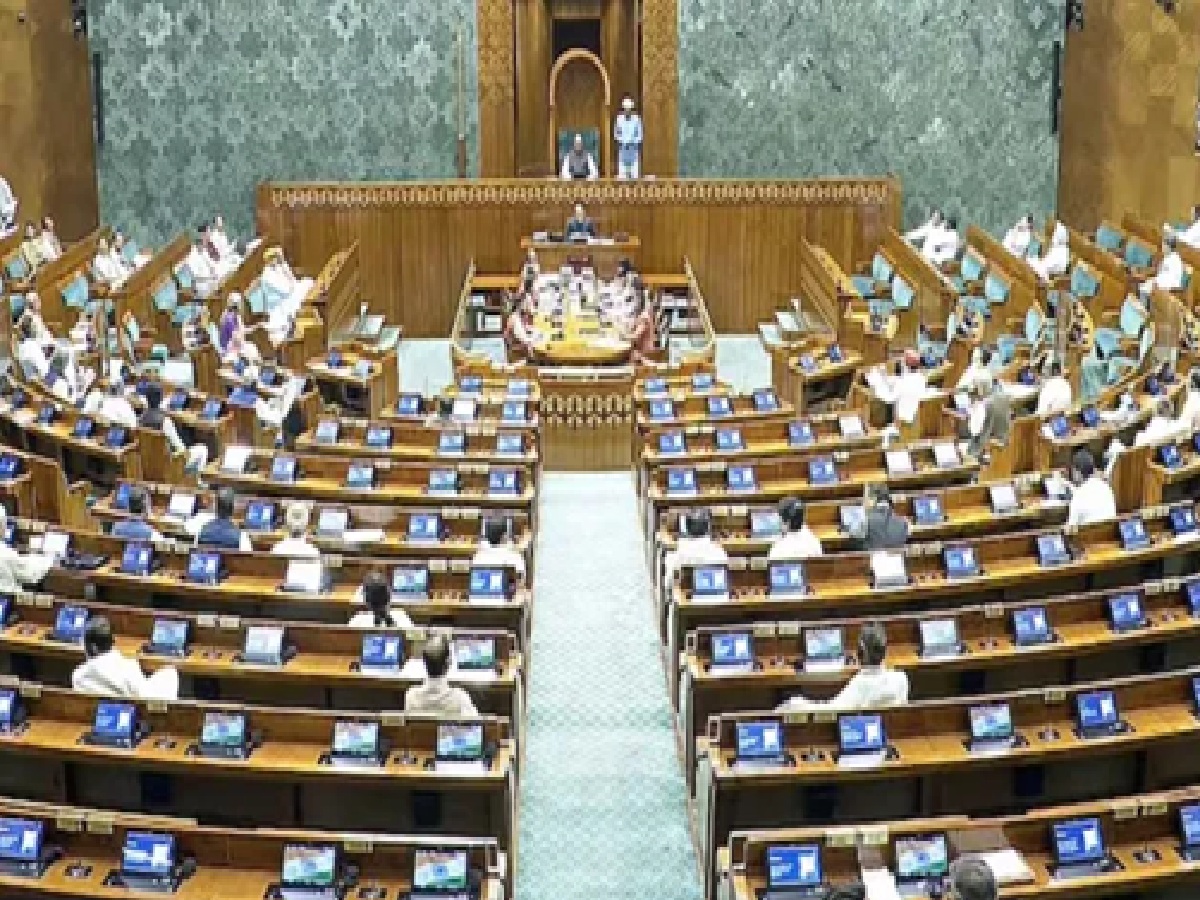
News Topical, Digital Desk : The government has called a three-day special session of Parliament, starting Thursday (April 16, 2026). This session is expected to be a stormy one, as three bills will be introduced that could reshape India's electoral structure and representation system.
These three bills include the Constitution (131st Amendment) Bill, the Delimitation Bill 2026, and the Union Territories Laws (Amendment) Bill. Opposition parties have prepared to corner the government over these bills. The opposition alleges that the passage of the laws related to women's reservation and delimitation will reduce the number of Lok Sabha seats in southern states. Meanwhile, the government has also geared up.
How will the delimitation be done?
The Times of India reported, citing government sources, that the proposed delimitation process will not solely be based on the 2011 census for the distribution of Lok Sabha seats among states. Instead, the delimitation will be based on a formula that proposes to increase the share of all states proportionately, up to 50%.
"Not only this, all states will benefit. They will get more representation than they would have got after delimitation based on the 2011 census," the report said.
Taking the state of Tamil Nadu as an example, under the proposed plan, its seats would increase from 39 to 59. If its seats were distributed based on the 2011 census, they would have been 49.
How many seats will increase in which state
- Uttar Pradesh – Proposed increase from 80 to 120 seats
- Maharashtra – Proposed increase from 48 to 72 seats
- West Bengal – Proposed increase from 42 to 63 seats
- Bihar: Proposed increase in seats from 40 to 60
- Tamil Nadu – Proposed increase from 39 to 59 seats
- Madhya Pradesh – Proposed increase from 29 to 44 seats
- Karnataka: Proposed increase from 28 to 42 seats
- Gujarat: Proposed increase in seats from 26 to 39
- Andhra Pradesh – proposed increase from 25 to 38 seats
- Rajasthan: Proposed increase from 25 to 38 seats
- Odisha – Proposed increase from 21 to 32 seats
- Kerala – Proposed increase from 20 to 30 seats
If this is based on the 2011 population, the southern states' representation could be approximately 4% lower than that of the Hindi belt. A maximum of 850 seats has been provided, similar to the current upper limit of 550 seats, while the actual strength of the House is 543. Please note that these are only estimates.
Opposition will vote against the delimitation provisions
Opposition parties said they would vote against the constitutional amendment on delimitation, calling it a dangerous move that would reduce the share of the south, northwest, northeast and other smaller states.
Rahul Gandhi, meanwhile, called it an "anti-national act." He demanded that the Modi government immediately implement 33% reservation for women in 2023, based on the current Lok Sabha strength of 543, in compliance with the unanimously passed Article 334(a).
Read More: Major twist in Dabholkar murder case, Bombay High Court grants bail to convict Sharad Kalaskar
--Advertisement--