desk
desk Share
Share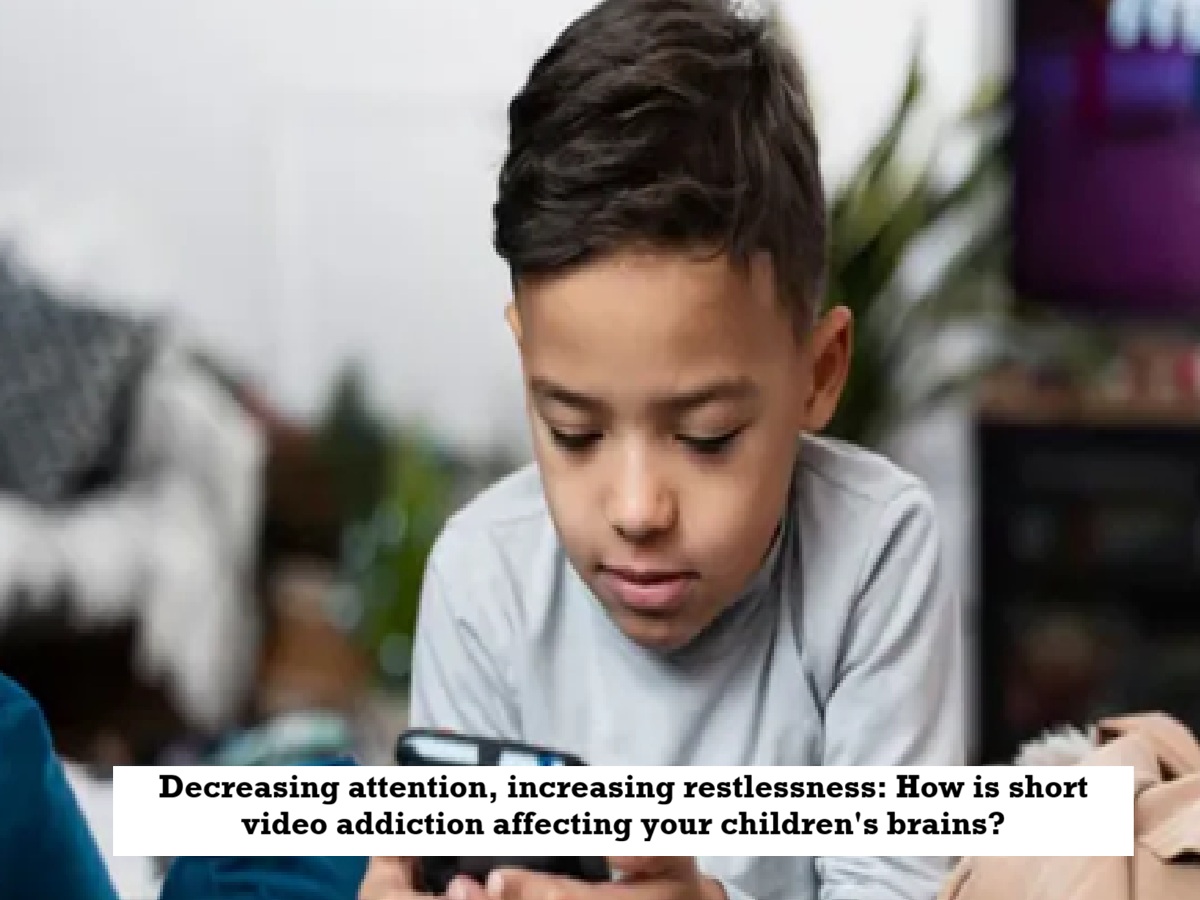
News Topical, Digital Desk : The face of the internet has completely changed today. While we used to watch long films and informative videos, short-form videos, or Reels, are now the dominant format. Every few seconds, a new video appears on our phone screens.
But have you ever wondered what impact these blink-and-you-miss videos are having on our brains? Recently, YouTube co-founder Steve Chen expressed concern about this issue. He believes these short videos can be challenging for children and young adults. Let's understand this.
Decreasing attention and increasing restlessness
If children become accustomed to watching videos of only a few seconds from a young age, they will be unable to focus on longer, more in-depth information in the future. When the brain becomes accustomed to seeing new short-form content every 15-20 seconds, watching a useful video of more than 30 seconds or reading a book for 15 minutes can become difficult and boring .
This isn't just a matter of entertainment, but rather a habit. When the brain experiences constantly changing scenes, it begins to seek quick rewards. This can reduce children's ability to sit still and learn.
The growing addiction to short videos
This addiction to short videos is now also sparking legal and health controversies. In several countries, social media companies are being taken to court over allegations that their platforms are fueling mental health problems and addiction among young people.
According to research, short-video addiction is directly linked to students' procrastination. Young people who spend too much time on these videos have been found to lack focus . They put off important tasks and chase the dopamine hit that short videos provide.
Useful content left behind
Nowadays, almost every social media platform is adopting the short video format. These short videos are fine for entertainment, but they lack depth. Companies are competing for maximum user attention, leaving useful and informative content behind.
Internet culture is changing. Videos are getting shorter and algorithms are faster. While we can't completely stop watching short videos, it's time to seriously consider their safe use, age restrictions, and time limits, so that they have minimal impact on children's minds.
--Advertisement--