desk
desk Share
Share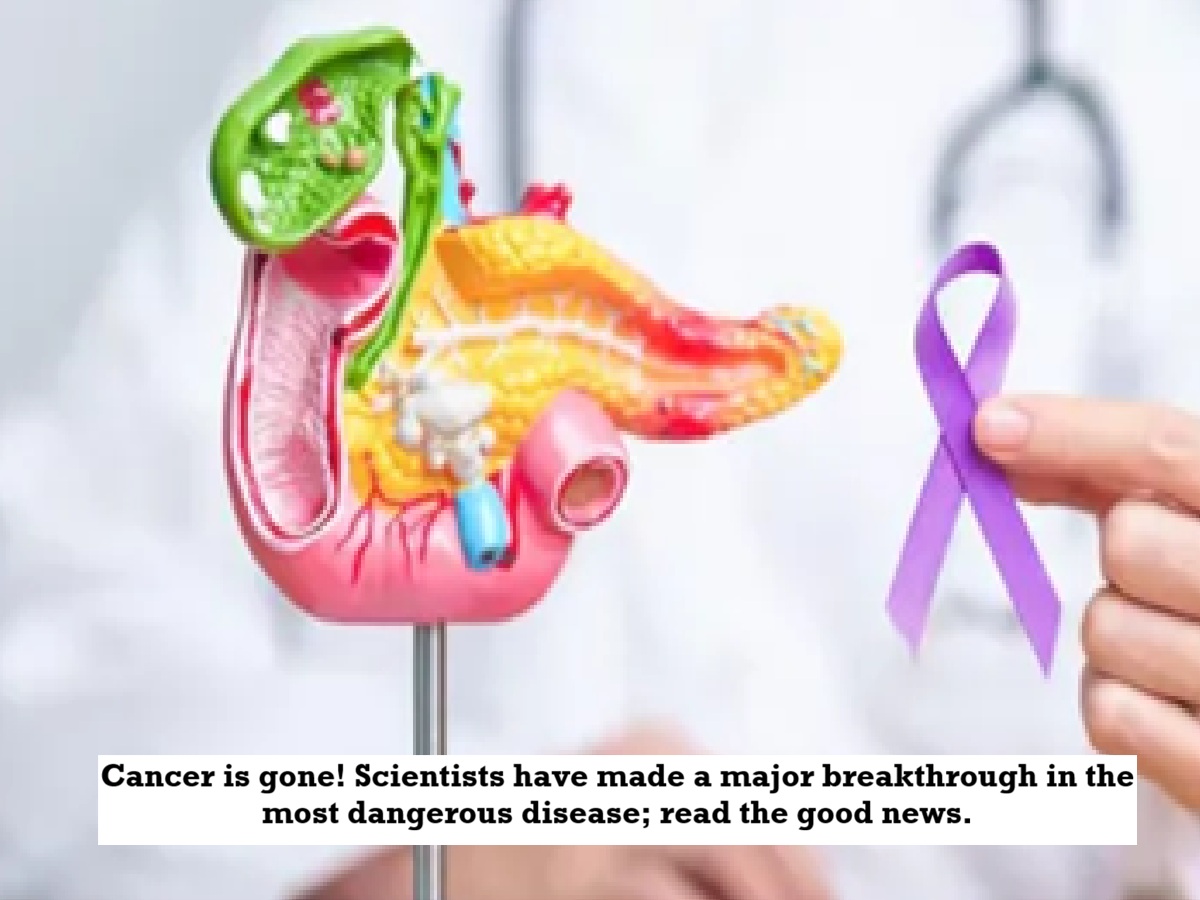
News Topical, Digital Desk : Cancer is a serious disease that can strike anyone. This disease affects various parts of the body and is known by their respective names. Pancreatic cancer is one of these, and is considered one of the most serious types.
It is considered serious because it is often diagnosed too late, making it very difficult to treat. However, now there is some promising news regarding prevention of this cancer. A recent study has revealed that a new combination of drugs can eliminate this cancer. Let's learn more about this study.
New study raises hope
According to a study recently published in the Proceedings of the National Academy of Sciences (PNAS), Spanish scientists successfully tested a new combination of drugs on mice. The experiment found that tumors were completely eliminated without any serious side effects.
This discovery could prove to be good news for the treatment of pancreatic ductal adenocarcinoma (PDAC). While the survival rate for this cancer was previously considered extremely low, scientists now believe this discovery will pave the way for future clinical trials in humans.
How dangerous is this cancer?
Statistics show that pancreatic cancer is the 12th most common cancer in the world, according to the IARC, but its mortality rate is very high. According to 2022 data, approximately 500,000 new cases of this cancer were diagnosed worldwide, of which approximately 400,000 patients died. This statistic demonstrates how deadly this disease is.
Why is it called the 'silent killer'?
Pancreatic cancer is often called the "silent killer" because it quietly and stealthily attacks people. This is the biggest challenge with this cancer. The pancreas is hidden deep in our abdomen, making tumors difficult to detect in the early stages. Furthermore, its symptoms, such as gas, indigestion, or mild stomach upset, are quite common, making it difficult to diagnose.
Symptoms of pancreatic cancer
If you notice the following symptoms, be careful immediately-
- Weight loss without any reason
- Mild but persistent abdominal pain
- Loss of appetite or feeling full after eating only a little
- too much fatigue
- Sudden onset of diabetes after the age of 50
- Changes in bowel movement
Which people are more at risk?
- smoking and drinking too much alcohol
- excess weight
- Patients with chronic pancreatitis
- family history of pancreatic cancer
- Elderly people over 60 years of age
--Advertisement--