







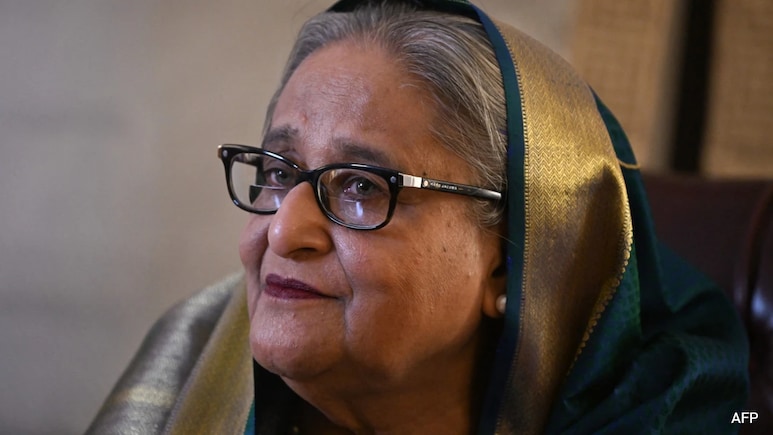
Sheikh Hasina Seeks New Passport From Delhi Embassy Ahead of Return
The geopolitical landscape surrounding South Asia has taken an extraordinary turn as former Bangladeshi Prime Minister Sheikh Hasina initiated formal steps to secure a new passport and national identity card. Living in self-imposed exile in India since her ouster following widespread student-led political protests in August 2024, the former leader has signaled her intent to return to her homeland. Legal representatives acting on behalf of the veteran politician submitted an official request via email to the Bangladesh High Commission located in New Delhi. This unexpected development marks the very first direct communication between the ousted leader and her country's diplomatic mission since she fled across the border, instantly sending ripples through international diplomatic circles and escalating political tensions between Dhaka and New Delhi.
Legal Counsel Submits Formal Application to Bangladesh High Commission in New Delhi
According to legal documents obtained from international news desks, a London-based legal counsel representing Sheikh Hasina formally approached the diplomatic mission in New Delhi. The communication explicitly highlighted that her previous travel documents and national identity credentials had been annulled by the interim administration in Dhaka. Stressing the necessity of valid identification papers, the petition urged acting high commissioner Preeti Rahman and mission authorities to process a fresh passport and identification card without delay. While the diplomatic mission in the Indian capital promptly forwarded the application to headquarters in Dhaka for procedural review, the move serves as a clear tactical signal that the former prime minister is preparing for a high-stakes return to face domestic proceedings.
Dhaka's Uncompromising Rejection and Demands for Extradition
The response from the administration in Dhaka was swift and uncompromising. High-ranking government officials forcefully dismissed the possibility of issuing travel documents to a figure facing severe criminal indictments and a harsh judicial sentence. State authorities pointed out that a war-crimes tribunal had previously delivered a guilty verdict in absentia, sentencing her over the deadly suppression of civil demonstrations. Categorically rejecting the application, government representatives reiterated that bilateral extradition agreements remain active between India and Bangladesh. Officials maintained that rather than issuing voluntary travel documentation or facilitating independent transit, the formal diplomatic mechanism should focus entirely on securing her handover through official legal extradition channels.
Implications for Bilateral Relations Between India and Bangladesh
Sheikh Hasina's residency in India has remained a sensitive point of friction in bilateral relations ever since New Delhi granted her refuge on humanitarian grounds during the height of the 2024 crisis. The latest push for passport renewal complicates the diplomatic tightrope currently being walked by Indian foreign policy makers. While international law dictates standard consular considerations for citizens abroad, New Delhi faces mounting pressure from Dhaka's interim administration to process pending extradition requests. Analysts suggest that any unilateral movement by the former leader or unexpected changes in her travel status could severely strain diplomatic ties, testing the limits of regional cooperation and political asylum protocols.
Political Repercussions and Anticipated Domestic Turmoil in Bangladesh
Inside Bangladesh, news of the passport application has ignited intense public debate and electrified local political factions. Supporters of the former ruling party view the potential return as a crucial step toward challenging the legitimacy of ongoing judicial actions, while opponents and victims' families demand immediate legal detention upon arrival. Security agencies across major urban centers have stepped up intelligence monitoring to preempt any potential civil unrest. As legal teams evaluate the next steps and the diplomatic mission reviews the paperwork forwarded from New Delhi, the unfolding saga points toward a dramatic showdown that could redefine the domestic political balance of power in the months ahead.




