







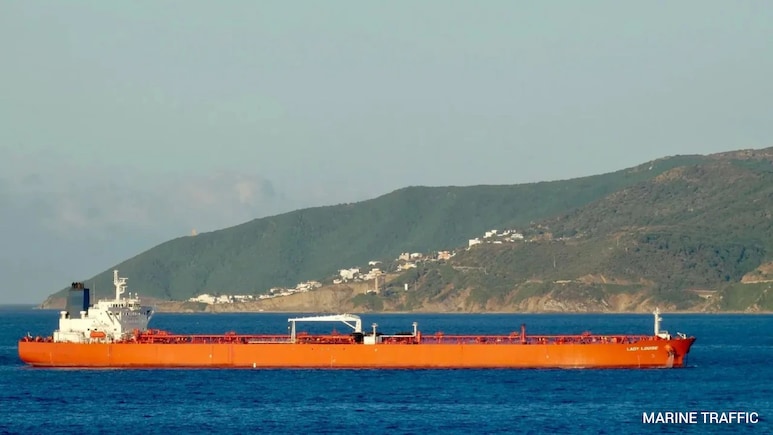
Iran Conditions Hormuz Opening On US Concessions After Election
Geopolitical dynamics across the Middle East have entered a critical phase following high-stakes political shifts in Washington. Following the recent US midterm election outcomes, Tehran has adjusted its diplomatic and strategic posture regarding the heavily contested Strait of Hormuz. Iranian officials have publicly announced a conditional proposal stating that the vital global trade chokepoint could be fully reopened within forty-eight hours if specific demands concerning regional hostilities and economic sanctions are satisfied. This diplomatic maneuver comes at a time when indirect negotiations, mediated by international partners, attempt to stabilize a shipping lane that has faced severe disruptions and military standoffs for over eight months. As global energy markets monitor every development closely, the standoff highlights the delicate balance between international maritime security and regional political leverage.
Tehran's Stance and Conditions for Reopening the Strategic Waterway
The recent diplomatic proposals brought forward by Iranian leadership outline a precise framework for unblocking maritime traffic through the critical trade artery. According to diplomatic channels, Tehran has indicated a willingness to normalize passage conditions within two days provided that a comprehensive cessation of hostilities is formally established across all active fronts. The outlined conditions reportedly demand an immediate rollback of naval restrictions affecting Iranian ports, the cessation of targeted economic measures, and a formal commitment to addressing broader regional security parameters. Iranian authorities maintain that a permanent resolution must account for structural damages and regional stability, framing these prerequisites as essential steps before normal commercial tanker movements can resume without security impediments.
The Impact of US Political Shifts on Regional Negotiations
The political landscape surrounding the conflict shifted visibly following domestic electoral outcomes in the United States. Observers in Tehran have closely evaluated the political standing of the White House, interpreting recent legislative and electoral setbacks as an opportune moment to press for more favorable terms in indirect talks. While American administration officials continue to project a position of military readiness and economic pressure—highlighted by recent targeted defensive actions and naval positioning in the region—international mediators are working overtime to bridge wide gaps between Washington's insistence on strict nuclear compliance and Iran's demand for sweeping sanctions relief. This interplay between domestic political pressures in the West and hardening strategic postures in the Middle East has complicated efforts to secure an immediate, lasting breakthrough.
Global Energy Markets and International Shipping Concerns
The prolonged disruption of transit routes through the Persian Gulf continues to reverberate across worldwide supply chains, affecting fuel prices, maritime insurance premiums, and liquefied natural gas delivery timelines. Major importing economies across Asia and Europe have had to adapt to altered shipping corridors and heightened security protocols implemented by international naval coalitions operating in the Gulf of Oman and surrounding waters. Commercial shipping operators remain cautious, balancing the economic necessity of utilizing the shortest maritime routes against the persistent risks associated with active geopolitical flashpoints. Economic analysts warn that until a verifiable diplomatic accord guarantees unhindered passage for commercial vessels, freight and energy markets will remain vulnerable to sudden sentiment shifts.
Diplomatic Mediation and the Road Ahead for Regional Stability
Efforts to achieve a diplomatic breakthrough are currently being spearheaded by regional intermediaries, including ongoing discussions facilitated through Qatari and Omani diplomatic channels. These talks focus on phased confidence-building measures, which could potentially involve reciprocal gestures such as eased port blockades matched with renewed international oversight of sensitive national infrastructure. However, profound mutual distrust and conflicting baseline requirements continue to hinder rapid progress. As international delegations engage in high-level consultations, the global community watches anxiously to see whether pragmatic economic and diplomatic compromises can prevail over entrenched geopolitical confrontation, ultimately restoring secure navigation to one of the world's most critical maritime corridors.




