







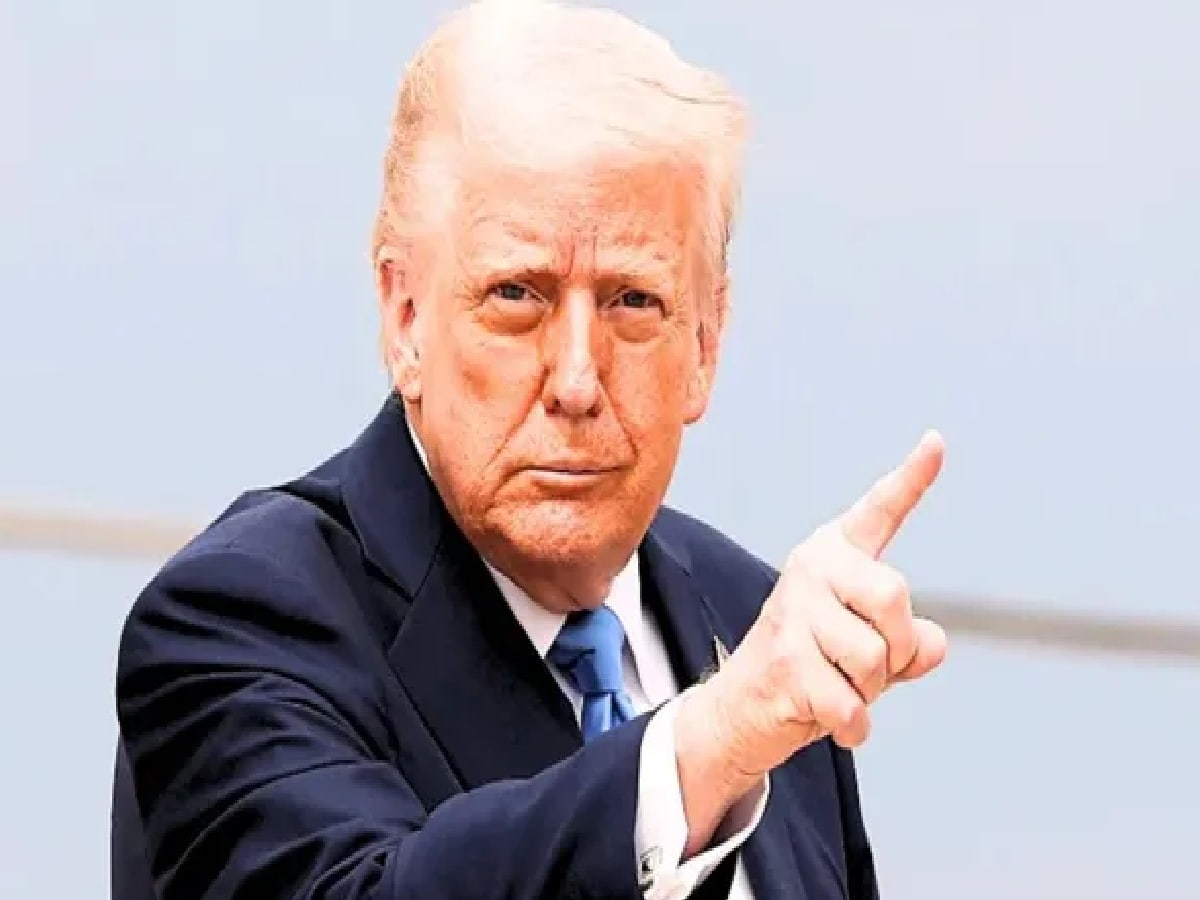
Democrats Launch Sweeping Probes into Trump and Crypto Links
A seismic political realignment has gripped Washington in the aftermath of the United States midterm elections, plunging the White House and the Republican leadership into severe administrative and legal uncertainty. With Democrats securing control of the House of Representatives, the legislative firewalls that shielded President Donald Trump and his executive circle have collapsed, clearing the path for an aggressive wave of congressional oversight. Democratic leaders have wasted no time signaling their intentions, announcing that the incoming congressional majority will deploy the full authority of committee gavels and subpoena powers to scrutinize alleged misconduct, ethical violations, and self-dealing during the Trump administration. The impending shift has left longtime Republican heavyweights like Texas Senator Ted Cruz visibly shaken, while prompting corporate moguls who staked hundreds of millions of dollars on Republican candidates to confront the legal and regulatory fallout of their political alignments.
The Oversight Blitz: Robert Garcia Outlines Four Core Probes
At the forefront of the impending congressional offensive is California Representative Robert Garcia, the incoming Chairman of the powerful House Committee on Oversight and Government Reform. Garcia, who served as the panel's ranking Democrat, issued a blunt, two-word directive to the administration’s inner circle and commercial beneficiaries as election results were confirmed: "Lawyer up". With an influx of committee investigators, legal counsel, and forensic accountants, Garcia confirmed that House Oversight will operate without bureaucratic restraint to compel sworn testimonies and subpoena financial records that the executive branch had previously withheld.
Garcia has identified four primary pillars that will form the operational backbone of the committee’s early hearings. First on the docket is an exhaustive forensic examination of the Trump family’s private business enterprises, focusing intensely on global real estate transactions and emerging cryptocurrency deals involving opaque overseas capital networks. Second, the committee will probe corporate corruption and suspected political bribery, tracking whether lucrative federal regulatory exemptions and administrative favors were traded for campaign cash. Third, lawmakers will examine systemic civil rights abuses, focusing on aggressive operations conducted by the Department of Homeland Security (DHS) and Immigration and Customs Enforcement (ICE). Finally, the committee has pledged to force the unsealing and public disclosure of suppressed files relating to the late convicted sex offender Jeffrey Epstein, investigating whether federal agencies engaged in deliberate institutional cover-ups.
Crypto Ventures and Foreign Links: Pakistan Financial Trails in the Crosshairs
Among the most explosive elements of the planned congressional inquiry is the deep dive into the Trump family's decentralized finance ventures and cryptocurrency holdings. Congressional investigators have placed special emphasis on cross-border transactions connecting the family's commercial blockchain operations, such as World Liberty Financial, with financial entities and digital currency exchanges tied to Pakistan. House investigators intend to unravel how digital asset ventures co-founded by Trump family members and real estate ally Steve Witkoff generated massive windfalls, including reports of hundreds of millions in initial revenue routed to private holding companies.
Democratic lawmakers argue that bypassing traditional banking channels via decentralized tokens creates acute national security vulnerabilities and conflicts of interest. The House Oversight Committee plans to issue subpoenas directly to cryptocurrency platforms, payment processors, and foreign liaison desks to determine whether state-backed actors or foreign intermediaries in South Asia and the Middle East utilized token sales to funnel untraceable capital to the American executive's domestic enterprises. With incoming Senate committee chairs—including Senator Richard Blumenthal on the Permanent Subcommittee on Investigations and Senator Ron Wyden on Senate Finance—preparing parallel inquiries, congressional scrutiny over the intersection of presidential diplomacy and digital currency promises to be unprecedented in scope.
Billion-Dollar Gamble: Elon Musk’s Midterm Defeat and Corporate Fallout
The impending shift in congressional leadership has cast a long shadow over corporate boardrooms, none more so than the commercial empire of Elon Musk. The Tesla, SpaceX, and xAI chief executive emerged as the most dominant financial backer of the Republican campaign, pouring a historic $445 million into political action committees and conservative candidates during the midterm cycle. This historic war chest established Musk as the single largest individual political donor in the history of American elections, an investment explicitly intended to secure a pliant legislative landscape for his aerospace, artificial intelligence, and electric vehicle enterprises.
Yet, despite the record expenditure, Musk's political gamble delivered a devastatingly poor return. Of the 43 Republican candidates across the nation whom Musk publicly endorsed and heavily financed, only three managed to secure victory. His record in Senate races proved equally disastrous: out of seven conservative candidates backed by his funding apparatus, six went down in defeat. The most humiliating blow arrived in Texas, where Musk has concentrated major industrial operations for Tesla and SpaceX. Despite pumping an eye-popping $230 million into backing hardline Republican Attorney General Ken Paxton, the seat was captured by progressive Democratic state lawmaker James Talarico. With his political capital severely eroded and Democrats holding subpoena gavels, corporate analysts warn that Musk’s sprawling government contracts, regulatory waivers, and involvement with the proposed Department of Government Efficiency (DOGE) will face relentless public scrutiny on Capitol Hill.
Congressional Reckoning: Subpoena Power, Veto Battles, and the 2028 Horizon
The transition of power in the Capitol leaves the White House facing a grueling two-year siege of investigative hearings, public depositions, and administrative gridlock. While President Trump publicly attempted to brush off the midterm wipeout—attributing the defeat to consumer anger over war-induced inflation and gasoline price surges rather than a rejection of his leadership—the tactical reality inside the West Wing is fraught. Anticipating a barrage of subpoenas targeting high-ranking administration architects, such as newly appointed Chief of Staff Stephen Miller, Trump has already floated the extraordinary prospect of issuing pre-emptive presidential pardons to himself and his close associates.
Simultaneously, the President has warned that he will deploy his executive veto pen aggressively to kill any progressive legislative packages sent to his desk, setting up a protracted stalemate between the executive branch and Capitol Hill. As federal agencies prepare for contentious oversight requests and corporate allies brace for televised committee appearances, the Democratic takeover of the House has fundamentally altered the trajectory of American governance. The next two years will serve as an unsparing stress test of institutional checks and balances, transforming congressional hearing rooms into high-stakes arenas where the financial dealings, foreign entanglements, and corporate alliances of the Trump era will be systematically placed under public trial.




