







Ayodhya Deepotsav 2026: Light Diyas at Home, Appeals CM Yogi
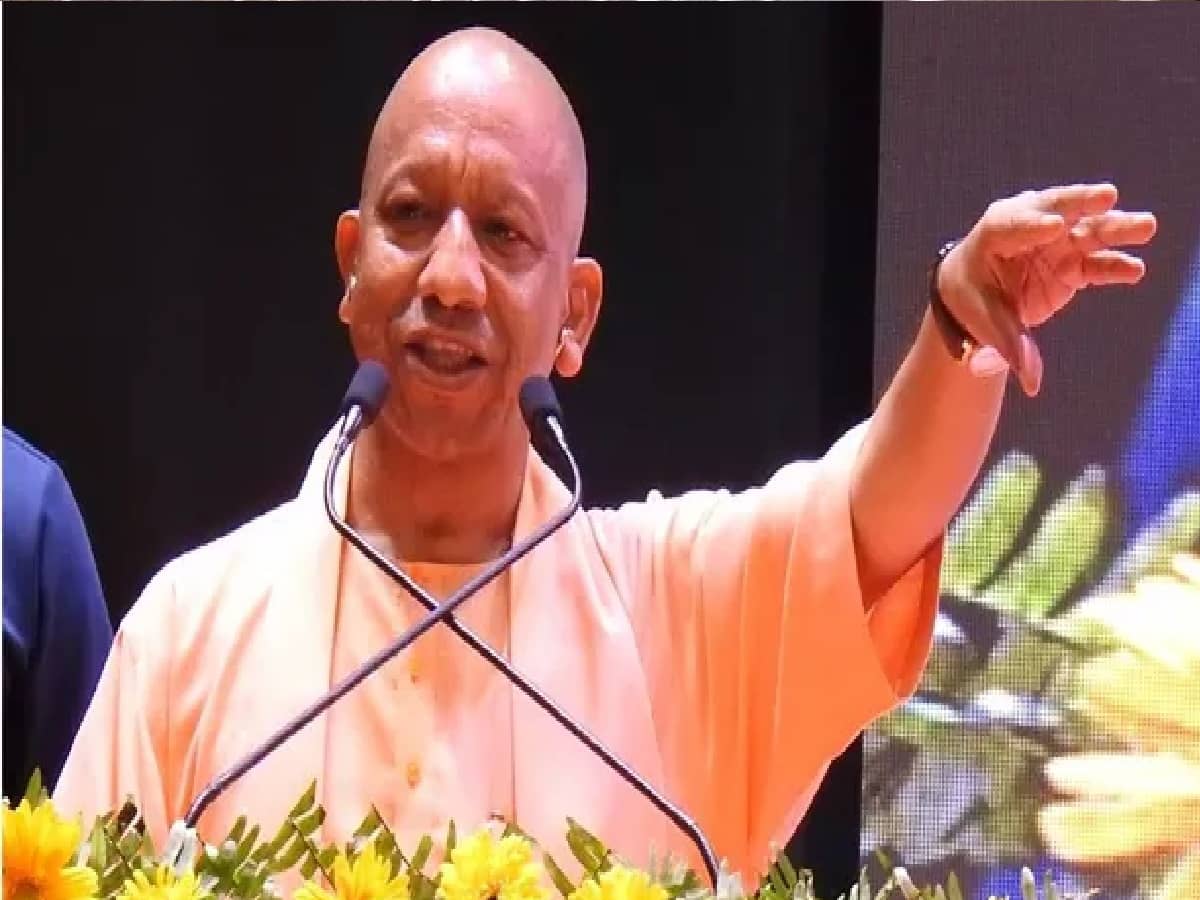
On the sacred banks of the holy Saryu River, the ancient city of Ayodhya transformed into a luminous sea of faith, devotion, and cultural pride as the landmark tenth edition of Deepotsav commenced on Saturday, November 7, 2026. Marking a decade of the state-organized festival of lights, Uttar Pradesh Chief Minister Yogi Adityanath extended festive greetings to the people of the state and the global Indian diaspora, issuing an appeal to every household. Speaking from Lucknow ahead of the celebrations, the Chief Minister urged citizens across Uttar Pradesh and the nation to synchronize their personal celebrations with the temple town: when the sacred lamps are lit at the grand Shri Ram Janmabhoomi temple, every family should illuminate earthen diyas in their own homes and courtyards. Describing the milestone Deepotsav as a civilizational awakening and a festival celebrating the renaissance of Sanatan consciousness, Adityanath emphasized that the glow of each clay lamp symbolizes the eternal victory of truth, righteousness, and collective human dignity over darkness and despair.
Awadhpuri Vibrates with Devotion: The Awakening of Consciousness
The atmosphere across Ayodhya reached a crescendo as dusk settled over the pilgrimage capital, with every corner of Awadhpuri pulsating with devotional energy. Invoking the sacred Sanskrit verses of devotion—“Ram Rameti Rameti Rame Rame Manorame, Sahasranaam Tattulyam Ramanaam Varanne”—Chief Minister Adityanath observed that the holy city, nestled in the lap of Mother Saryu, was prepared for a Divya Deepotsav that felt like a grand Kumbh of spiritual joy, cultural self-respect, and collective faith. The Chief Minister reflected deeply on the philosophical essence of the earthen lamp, explaining that a diya is never just a simple vessel of clay and oil, but a living instrument for the awakening of human consciousness.
For centuries, Indian philosophy has taught humanity that darkness does not need to be fought with anger or force; it only requires the lighting of a flame, and darkness naturally dissolves on its own. The Chief Minister emphasized that the festival of lights celebrated in Ayodhya Dham—revered as the foremost among the seven sacred liberation-bestowing cities (Sapta Puris)—is a direct manifestation of this universal truth. With the sacred Saryu River as a living witness, the tenth edition of the festival represents the enduring affection between Lord Shri Ram and his beloved city, inviting people everywhere to participate in this affirmation of eternal truth and moral fortitude.
From 2017 to 2026: A Decade of Cultural Resurgence
The tenth Deepotsav represents the culmination of a decade-long journey that fundamentally altered the cultural and developmental landscape of Ayodhya. Reflecting on the evolution of the festival, Chief Minister Adityanath recalled that the initial resolve taken on the banks of the Saryu in 2017 began with the lighting of 1.71 lakh earthen lamps. Over the past ten years, that humble flame of dedication has grown into a globally recognized cultural phenomenon, consistently breaking world records and re-establishing India's civilizational heritage on the international stage. For the 2026 milestone, the scale reached unprecedented proportions, with over 30 lakh (3 million) earthen lamps systematically laid out across 55 ghats along Ram Ki Paidi by more than 35,000 dedicated student and community volunteers.
Simultaneously, the sanctified complex of the newly constructed Shri Ram Janmabhoomi Mandir was illuminated with more than one lakh special earthen lamps, creating a radiant golden canopy over the sanctum sanctorum. Adityanath pointed out that this historic decade of Deepotsav has transcended mere numbers and Guinness World Records; it has become a golden chapter celebrating the Treta Yuga glory of Lord Ram’s capital, embodying the restoration of the nation’s self-respect and the peaceful realization of a centuries-old dream. The millions of flames reflected in the flowing waters of the Saryu bear testimony to the triumph of patience, legal perseverance, and unwavering public faith.
Global Platform for Vasudhaiva Kutumbakam and Heritage
Deepotsav 2026 also underscored India’s enduring diplomatic and civilizational philosophy of Vasudhaiva Kutumbakam—the world is one family. The mega-event witnessed the distinguished participation of Vice President CP Radhakrishnan, Uttar Pradesh Governor Anandiben Patel, high commissioners, foreign ambassadors, and diplomats representing numerous friendly nations, alongside revered seers, mahants of historic akharas, and thousands of pilgrims arriving from across the world. Chief Minister Adityanath warmly welcomed the international delegates, noting that their presence on the soil of Shri Ram’s birthplace imbues the festival with a profound message of cultural harmony, equality, and global unity.
The international dimension was vividly visible on the cultural stages of Ayodhya, where international Ramlila troupes from countries such as Thailand, Indonesia, Sri Lanka, and Nepal performed their traditional adaptations of the Ramayana. Complemented by dynamic laser projections, aerial drone formations depicting key episodes of the epic, and a massive collective Saryu Aarti, the event presented Indian heritage not as a static relic of the past, but as a living, vibrant dialogue between ancient wisdom and contemporary artistic expression.
Realising Ramrajya: Uplifting the Last Person in Society
Crucially, the Chief Minister grounded the spiritual splendor of Deepotsav in the practical, socio-economic welfare of everyday citizens. Adityanath affirmed that the lamps of Deepotsav do not merely illuminate riverside steps; they ignite an economic engine centered on local self-reliance (Swavalamban) and the empowerment of marginalized communities. The massive demand for more than 30 lakh earthen lamps, thousands of liters of mustard oil, cotton wicks, and floral garlands provided direct livelihood opportunities and substantial income to rural potters (kumhars), marginal farmers, self-help groups, and local handicraft artisans across the Awadh region.
Connecting these economic benefits to the core governing ideal of Ramrajya, Adityanath asserted that true governance is realized only when the light of progress and welfare reaches the person standing at the very last rung of society (Antyodaya). A just society, inspired by the ideals of Lord Ram, must guarantee security, healthcare, clean energy, and dignity to the underprivileged. He urged the citizens of Uttar Pradesh to celebrate the festival with compassion by sharing festive meals, sweets, and gifts with disadvantaged families in their neighborhoods, ensuring that no home remains untouched by the warmth of Diwali.
Celebrating Eternal Truth: Lighting Every Courtyard Across India
As Ayodhya’s skyline glowed under the combined brilliance of millions of earthen flames, laser displays, and fireworks, the Chief Minister reiterated his central message to the nation. The rebirth of Ayodhya as a modern spiritual hub is an invitation for every Indian to reconnect with their roots and draw moral strength from the virtues of righteousness, duty, and sacrifice exemplified by Maryada Purushottam Shri Ram.
Calling upon families in metropolitan cities, rural hamlets, and overseas communities alike, Adityanath concluded that the lighting of diyas at Shri Ram Janmabhoomi should serve as an inspirational catalyst. By placing a sacred earthen lamp in every courtyard and at every doorstep, citizens do not merely observe a ritual; they participate in a collective affirmation of hope, resilience, and unity. As the tenth Deepotsav illuminated the banks of the Saryu, the message emanating from the sacred city was unmistakable: the flame of truth, once lit with pure intent, continues to shine across generations, guiding humanity toward lasting peace and harmony.




