







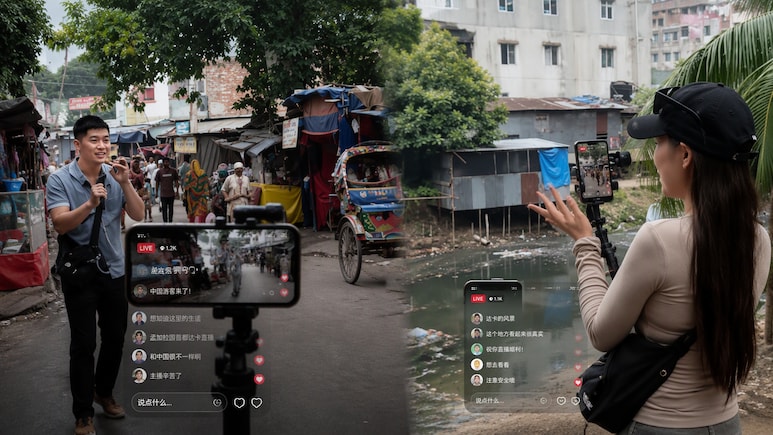
Chinese Nationals Filming Private Homes Spark Panic in Bangladesh
A profound sense of shock, panic, and outrage has gripped residential neighborhoods across various urban centers in Bangladesh following a bizarre and deeply alarming security scare. Local communities have reported multiple disturbing incidents involving foreign nationals, specifically identified as Chinese citizens, wandering through residential complexes, private housing colonies, and apartment buildings while recording live video footage on advanced cameras and mobile devices. What makes these occurrences intensely distressing is that the intruders have frequently trespassed beyond common areas, walking straight into private front yards, balconies, and even peering into residential bathrooms to stream live video content online. When startled homeowners and local residents confront these individuals and question their unlawful intrusion, the trespassers reportedly offer baffling and evasive explanations, frequently smiling and nonchalantly claiming, "This is Delhi," or pretending to be filming ordinary travel vlogs. This blatant disregard for personal privacy and private property rights has left citizens questioning local security measures and demanding immediate administrative intervention to check the unchecked movement of foreign workers residing within their neighborhoods.
Alarm Spreads as Intruders Breach Residential Privacy and Bathrooms
The escalating crisis first came to public attention when residents in prominent residential pockets noticed unfamiliar foreign individuals roaming freely through gated communities without permission. Armed with high-definition cameras, gimbals, and smartphones broadcasting live streams, these individuals appeared unbothered by social boundaries or legal prohibitions against trespassing. Eyewitness accounts shared across local community forums describe horrifying scenarios where families found strangers recording through their open windows or filming directly into private bathroom ventilation shafts and ground-floor washrooms. When challenged by furious homeowners, the intruders often feigned ignorance of the local language or brushed off the security breach with absurd excuses, sometimes misidentifying their geographic location entirely by insisting they were broadcasting from the Indian capital. The psychological toll on women, children, and elderly residents living in these apartments has been immense, as families now feel unsafe even inside the secure confines of their private homes.
Growing Public Anger and Community-Led Surveillance Initiatives
In response to the perceived inaction of local housing associations and municipal authorities, frustrated residents have begun taking matters into their own hands. Neighborhood watch groups have been hastily organized across affected localities, with youth volunteers patrolling streets, apartment corridors, and building stairwells to intercept suspicious trespassers. Several viral videos captured by vigilant citizens showing confrontations with the Chinese nationals have flooded social media platforms, amplifying public anger and sparking intense nationwide debates regarding foreign worker oversight and immigration compliance. Local community leaders have pointed out that while foreign investments and industrial partnerships are welcome for national development, the unchecked freedom of movement enjoyed by expatriate workers without proper local police registration or neighborhood accountability poses a severe threat to domestic law and order.
Failure of Local Administration and Law Enforcement Scrutiny
The unchecked continuation of these invasive incidents has cast a harsh spotlight on the vulnerabilities plaguing municipal law enforcement and local intelligence agencies. Critics and civic activists argue that municipal authorities have been painfully slow to respond to frantic distress calls lodged by residents, allowing intruders to escape before police patrol units arrive at the scene. While some suspects have been temporarily detained following intense public pressure, citizens are demanding transparent explanations as to how foreign nationals manage to breach gated residential zones so easily. Legal experts emphasize that unauthorized filming of private residences, trespassing, and violating domestic privacy laws constitute serious criminal offenses that warrant immediate formal arrests, thorough electronic device inspections, and swift deportation proceedings for anyone found guilty of compromising public safety.
Broader Geopolitical Context and Rising Anti-Expatriate Sentiment
The growing friction surrounding foreign nationals in residential areas is unfolding against a complex backdrop of shifting geopolitical alliances and economic realignments within Bangladesh. With numerous mega-infrastructure projects, energy plants, and industrial ventures managed by international conglomerates, thousands of expatriate workers—particularly from China—currently reside across the country. While economic cooperation remains vital, cultural friction and localized communication barriers have occasionally fueled tensions between local populations and foreign workforces. Security analysts warn that if authorities fail to address these recurring privacy violations and administrative oversights decisively, localized anger could spiral into broader xenophobic sentiment, ultimately threatening bilateral commercial ties and the safety of legitimate foreign professionals operating within the nation. For now, ordinary citizens remain on high alert, locking their doors tighter and demanding that the government enforce stringent regulatory compliance and accountability for all foreign workers residing within local communities.




