Bab al-Mandeb Chokepoint Alert: Is Crucial Red Sea Route Closed to Saudi Oil
The global energy supply chain faces renewed uncertainty as attention pivots from the Strait of Hormuz to another critical maritime bottleneck: the Strait of Bab al-Mandeb. Following sustained escalation by Yemen's Houthi movement, the waterway is experiencing severe operational disruptions. While international maritime authorities emphasize that the strait remains legally open under international law, maritime insurers and global shipping lines face an effective de facto closure, with transit volumes—especially outbound and regional Saudi crude shipments—grinding to a virtual standstill under the threat of maritime interception.
The Strategic Anatomy of the Gate of Tears
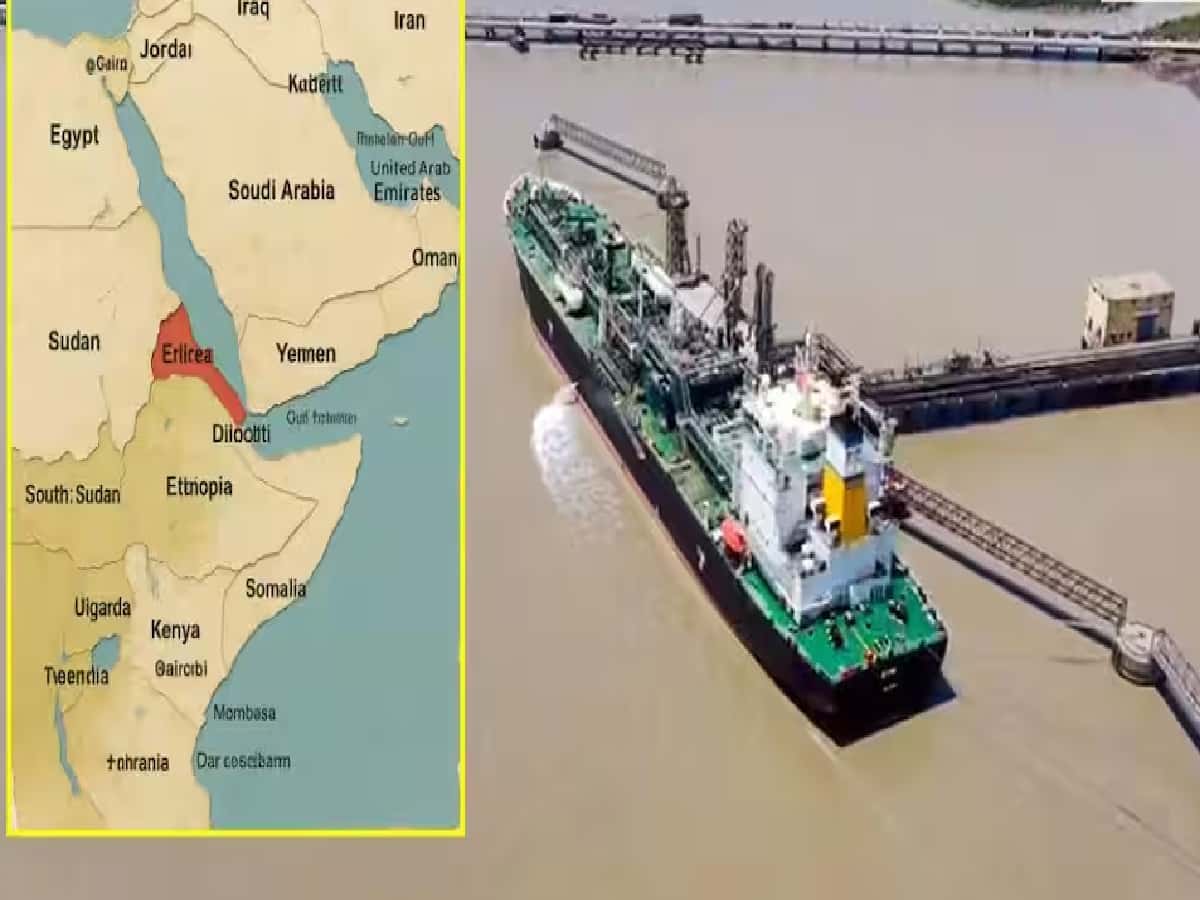
Lying between Yemen on the southern tip of the Arabian Peninsula and the East African nations of Djibouti and Eritrea, the Strait of Bab al-Mandeb functions as the strategic bridge between the Red Sea and the Gulf of Aden opening into the wider Indian Ocean. Derived from Arabic nomenclature translating to the "Gate of Grief" or "Gate of Tears," the chokepoint historically earned its title from treacherous regional currents, seismic fault lines separating Africa from Arabia, and navigation perils. In contemporary global trade, it represents the southern transit pillar for vessels heading toward Egypt’s Suez Canal and the Mediterranean basin.
Coastal Shifts and Maritime Interdictions in Yemen
The escalation centers on fast-moving shifts in territorial control along Yemen’s western shoreline. Houthi forces have consolidated access across key coastal perches and strategic maritime outposts, including Mayun Island directly within the narrowest section of the strait. Escalations mounting since mid-July prompted the group to issue targeted maritime exclusion declarations against Saudi-flagged and Saudi-affiliated crude carriers. In response to regional containment measures, these tactical strikes have drastically complicated commercial voyages, forcing oil conglomerates and logistics majors to weigh expensive alternate detours around the Cape of Good Hope. Riyadh has signaled its capacity to respond decisively while underscoring caution regarding collateral harm to Yemeni civilians.
Tanker Targets, Energy Infrastructure, and Cairo Talks
Threats along the channel are not isolated to naval encounters; they form part of a broader conflict envelope that has involved missile and drone strikes against maritime tankers, energy processing infrastructure, and regional logistics facilities. While Saudi Arabia has backed Yemen's internationally recognized administration since 2015, Tehran continues to maintain political and material alignment with the Houthis, who hold sway over key urban centers including Sanaa. In a bid to address the security emergency, high-level diplomatic discussions were convened in Cairo between Egyptian President Abdel Fattah al-Sisi and Saudi Crown Prince Mohammed bin Salman, with both leaderships affirming that unimpeded freedom of navigation across Bab al-Mandeb, the Red Sea, and the Strait of Hormuz remains a red line for Arab regional stability.
Mounting Fiscal Pressure on Suez Canal Revenues
The disruption carries profound economic reverberations for neighboring transit nations, most notably Egypt. As the southern conduit feeding the Suez Canal, stability in Bab al-Mandeb is inextricably linked to Cairo’s foreign currency reserves. Historical disruptions and prolonged rerouting over the past three years have previously inflicted an estimated 11 billion euros in canal transit revenue losses. With the resumption of aggressive interdictions in recent months, maritime stakeholders warn that sustained instability at the southern gate of the Red Sea risks compounding international shipping rate