desk
desk Share
Share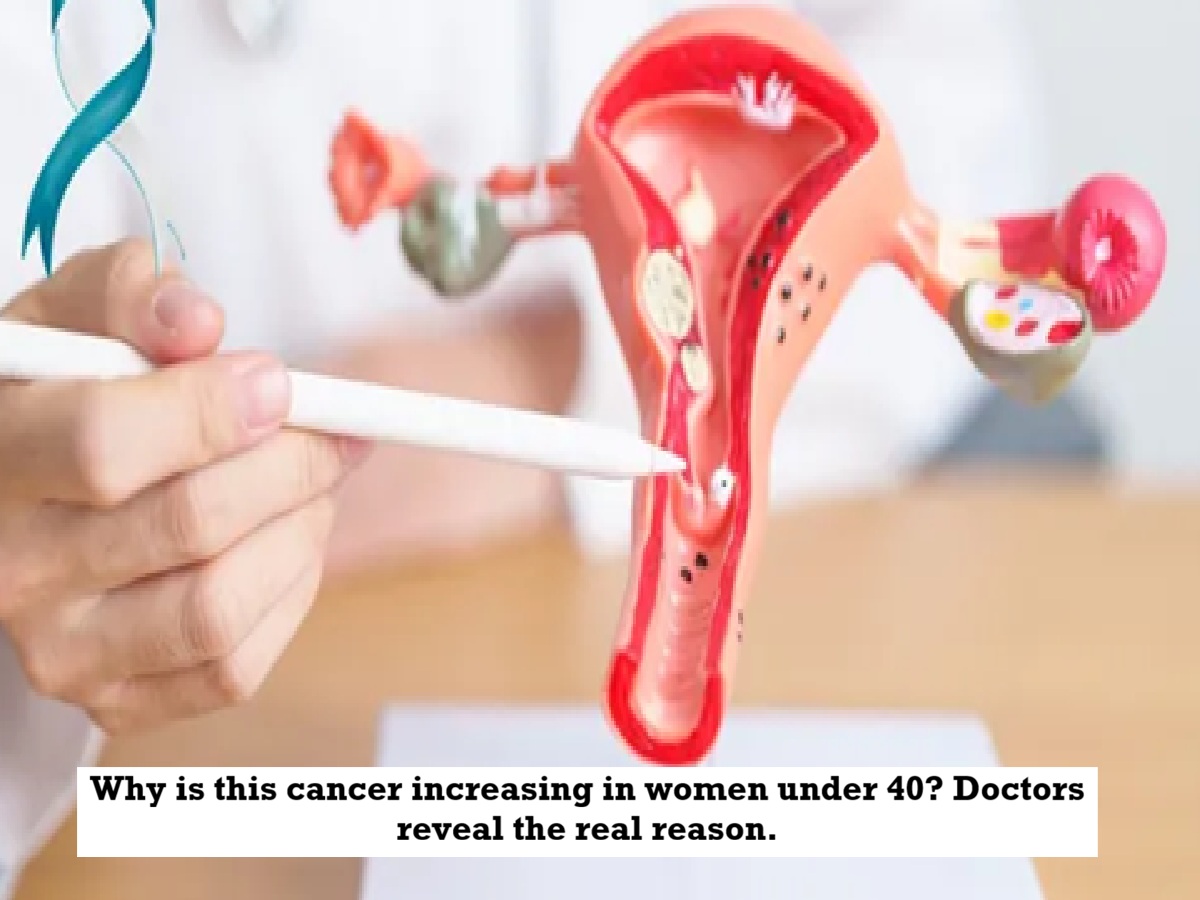
News Topical, Digital Desk : People often think that ovarian cancer only affects older women, but that's no longer the case. Ovarian cancer cases are rapidly increasing among women under 40. The most worrying thing is that in most cases, the disease is detected too late, making treatment difficult. Therefore, it's crucial to recognize the symptoms early.
Dr Kanika Batra Modi (Associate Director and Clinical Lead, Gynaecology Oncology, Max Super Speciality Hospital, Saket) says that in recent years, symptoms of ovarian cancer have been seen even in women in their 20s and 30s.
The doctor further explains that a 33-year-old woman recently came to her with dreams of becoming a mother. She was experiencing bloating, fatigue, and stomach discomfort. These symptoms were so common that no one would suspect a serious illness, but after testing, she was diagnosed with ovarian cancer.
Why is it detected late?
Ovarian cancer symptoms are initially very mild, such as bloating, feeling full, irregular periods, and stomach problems. Women often dismiss these symptoms as stress, gas, hormonal problems, or PCOS. Currently, there is no screening test to detect ovarian cancer, so the disease is often caught early.
What causes ovarian cancer?
In some cases, it's linked to genetic factors. If someone in the family has cancer, their children are at increased risk. Hereditary cancer syndromes, such as BRCA mutations or Lynch syndrome, are more likely to cause ovarian cancer in younger generations. Many women themselves may not be aware of their risk.
Now, screening and counseling help people prevent cancer. Doctors say that in some cases, persistent stress, inflammation, and a sedentary lifestyle can also increase the risk of cancer . This can be especially severe in urban residents.
Women's mental health is also affected
Being diagnosed at a young age not only affects women physically but also emotionally. The doctor explained that many of her patients struggle with the disease, as well as concerns about fertility, body image, and the sudden changes in their lives.
This disease, which is rare in young women, leaves them facing challenges like early menopause, fatigue from chemotherapy, and the difficulty of explaining their diagnosis to family. Nowadays, in many cases, surgeries and therapies are being performed that can preserve fertility.
Important tips for women
If you experience persistent bloating, unexplained weight loss, or pelvic pain, consult a gynecologist immediately. If you have a family history of breast or ovarian cancer, consider genetic counseling.
Read More: These 7 infused waters are the best for weight loss, controlling belly fat and cravings.
--Advertisement--