desk
desk Share
Share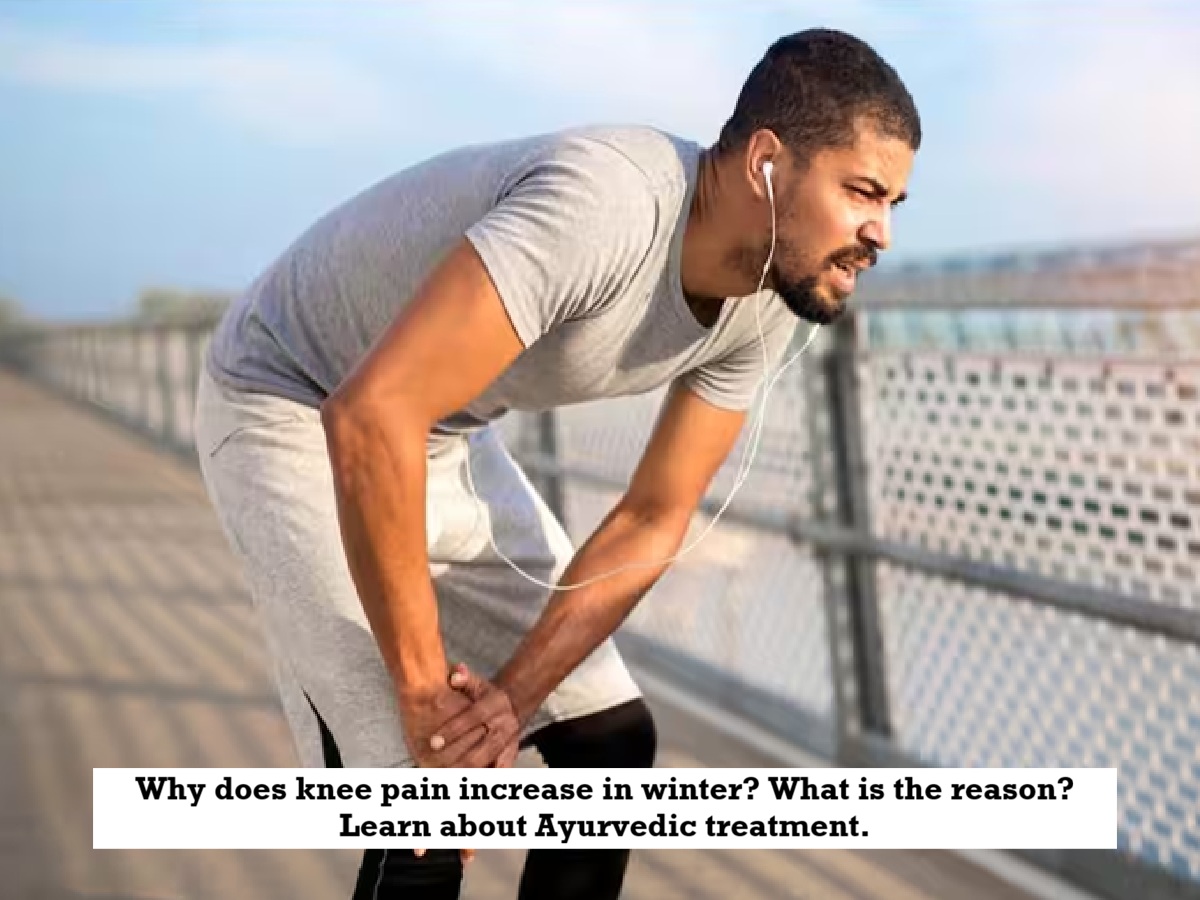
News Topical, Digital Desk : Many people suffer from knee pain and joint stiffness during the winter season, especially the elderly, arthritis patients, and those with existing joint problems. As the cold increases, it feels as if their knees are rusted, making sitting, standing, and walking difficult. Let's explore the causes and treatment.
What do doctors say?
According to doctors, winter knee pain isn't just caused by the cold, but also by several other changes within the body. Barometric pressure decreases in winter. This can increase inflammation in the tissues surrounding the joints, leading to pain and stiffness. Cold also slows blood circulation. The synovial fluid in the knees, which lubricates the joints, thickens in the cold. This results in reduced joint movement and increased pain. Furthermore, the lack of sunlight during winter can lead to vitamin D deficiency, which weakens bones and joints.
What does Ayurveda say?
Ayurveda attributes this to an aggravation of Vata dosha. According to Ayurveda, cold and dry weather increases Vata dosha, leading to dryness, pain, and stiffness in the joints. The mucous phlegm in the body, which naturally lubricates the joints, begins to dry out due to the increased Vata. This is why knee problems are more common in winter.
What is Ayurvedic treatment?
Ayurvedic treatments and home remedies can provide significant relief from this pain. The simplest and most effective remedy is oil massage. Gently massaging the knees daily with sesame oil or Mahanarayan oil warms the joints and reduces stiffness. Eating soaked fenugreek seeds on an empty stomach in the morning is also considered beneficial, as fenugreek has a warming effect and helps reduce inflammation. Drinking a decoction of turmeric and ginger reduces internal inflammation and strengthens the joints.
These methods also work
Additionally, drinking lukewarm water, spending some time in the sun daily, and engaging in light exercise are essential during the winter. Furthermore, one should avoid sitting on cold floors, walking barefoot, and eating cold foods. If the pain is severe or persists for a long time, it is best to consult an Ayurvedic physician.
--Advertisement--