Yogi Government Transforms UP Power Sector: Distribution Losses Drop Sharply and Profitable Feeders Surge
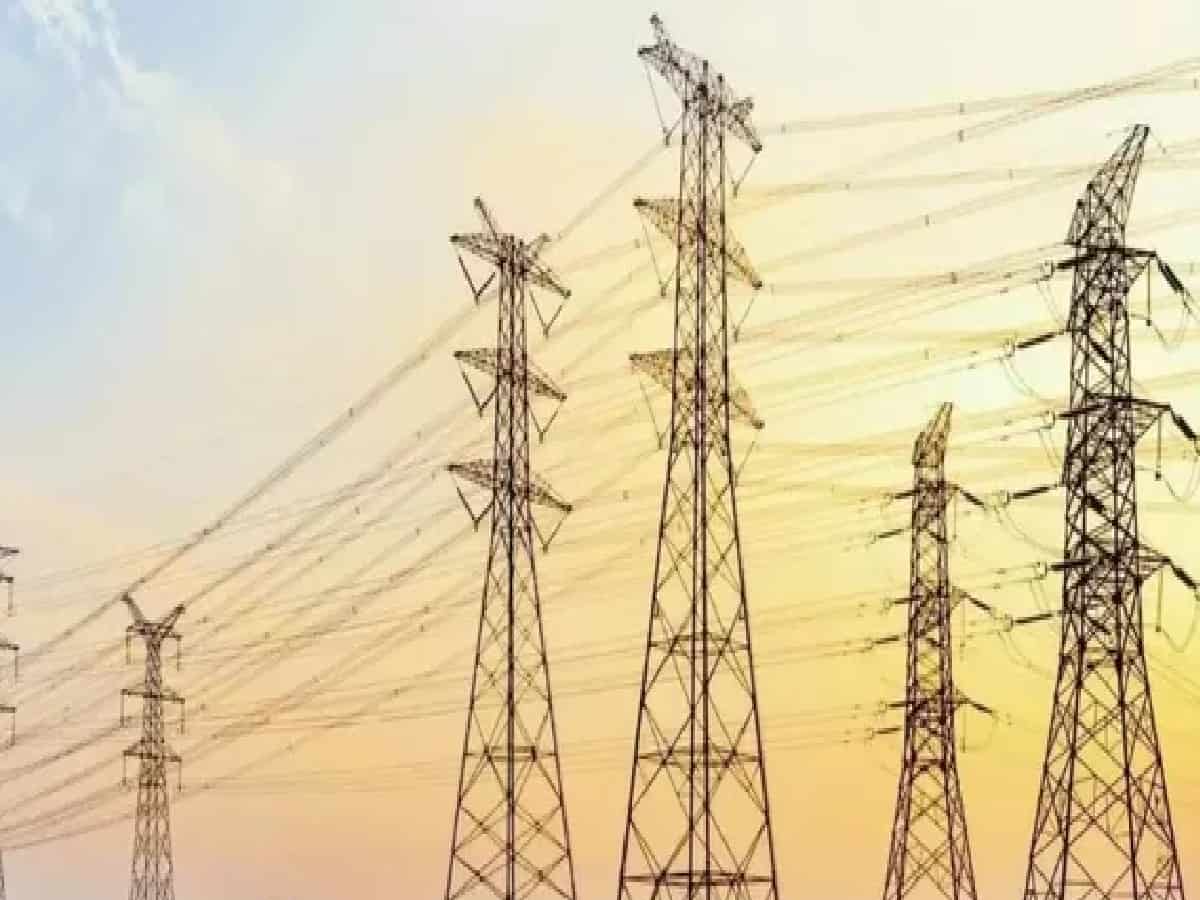
Uttar Pradesh's power infrastructure has undergone a remarkable financial and operational transformation under the decisive leadership of Chief Minister Yogi Adityanath. Driven by strict data-driven monitoring, targeted administrative accountability, and innovative recovery models, the state power department has successfully curbed systemic leakages. Official data reveals a massive decline in both power distribution and AT&C (Aggregate Technical and Commercial) losses, turning electricity networks into more efficient, financially stable, and accountable public service systems across the state.
Dramatic Decline in Distribution and AT&C Losses
The financial turnaround of the state's power corporation is clearly reflected in multi-year comparative metrics. Power distribution losses, which stood at a high of 20.63 percent during the 2020-21 fiscal year, have plummeted to 13.04 percent for 2025-26.
Simultaneously, AT&C losses dropped significantly from 31.19 percent down to 17.83 percent. Excluding agricultural lines, the total number of operational feeders across Uttar Pradesh expanded from 18,351 to 21,463. Most impressively, the count of profitable, revenue-generating feeders surged from 5,772 to 8,104—adding 2,332 new feeders to the profitable bracket and raising the overall share of profitable feeders from 31 percent to 38 percent.
Discom-Wise Performance and Regional Leadership
Evaluating performance across regional distribution companies (discoms) highlights widespread systemic progress:
-
Western Power Distribution Corporation: Secured the top rank statewide, boasting an impressive 53 percent profitable feeders.
-
Kesco: Followed closely with 39 percent profitable feeders.
-
Dakshinanchal and Madhyanchal Discoms: Both recorded 37 percent profitable feeders.
-
Purvanchal Discom: Registered 22 percent profitable feeders.
Specifically within the Dakshinanchal Discom jurisdiction, distribution losses dropped sharply from 25.64 percent to 14.78 percent, while AT&C losses fell from 31.03 percent to 19.57 percent, backed by stronger revenue collections and a higher through-rate of ₹4.06 per unit.
High-Loss Cluster Model and Targeted Feeder Interventions
The implementation of the specialized High-Loss Cluster Model played a pivotal role in plugging revenue leaks. The initiative targeted 703 clusters, 1,703 feeders, over 42.21 lakh consumers, and 76,839 distribution transformers—covering roughly 11 percent of total consumers. This targeted campaign yielded ₹654.31 million in recovered dues and facilitated 101,548 new electricity connections.
Targeted crackdowns on notoriously high-loss areas produced extraordinary outcomes. For instance, AT&C losses in Talbehat Town-2 (Lalitpur) dropped from a staggering 63 percent down to 11 percent, Manikapur Seri (Kasganj) fell from 87 percent to 53 percent, and Ral (Mathura) saw losses decline from 83.62 percent to 47.82 percent. Combined losses across the top ten high-loss feeders in Agra, Mathura, Chitrakoot, Rath, and Kosi dropped by 21 percent.
Strict Monitoring and Financial Discipline
State energy officials attribute this massive operational turnaround to continuous guidance from the Yogi government and the UPPCL chairman. Routine feeder-level daily reviews, transparent data monitoring, and strict accountability for field officers have firmly established financial discipline across the power department, translating into sustained revenue growth and reliable energy delivery for citizens.