







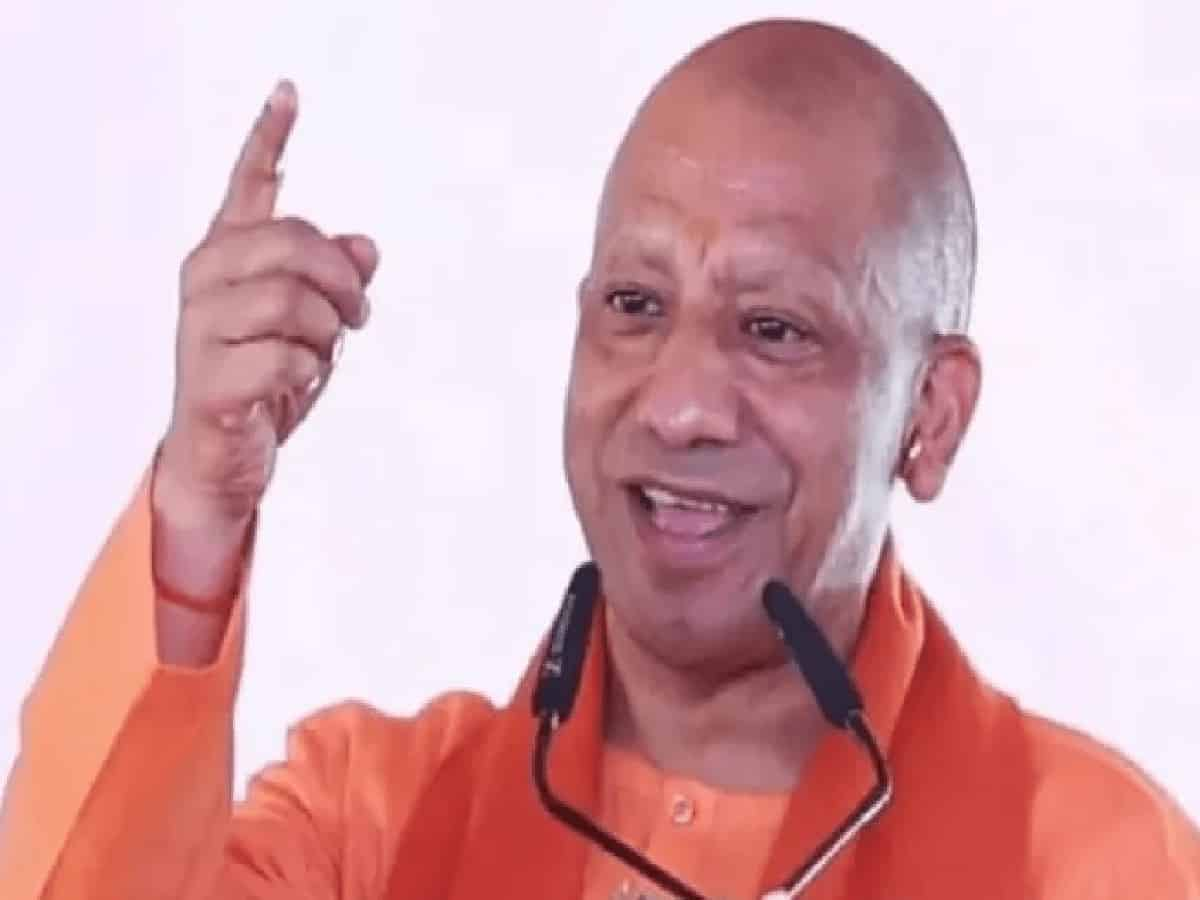
UP Anganwadi Honorarium Hiked: 3.46 Lakh Workers Celebrate
For more than 3.46 lakh frontline nutrition champions, caregivers, and early-childhood educators across Uttar Pradesh, the recent festive season of Diwali, Bhai Dooj, and Chhath Mahaparva brought a significant financial boost. A decisive policy revision introduced by the Yogi Adityanath-led state administration has officially raised monthly honorariums, infused comprehensive social safety protections, and delivered long-sought economic dignity to the state’s massive network of Anganwadi workers (Karyakartris) and assistants (Sahayikas). The timely disbursement of the enhanced allowances directly into bank accounts ahead of the winter festival rush not only eased domestic kitchen budgets but also empowered grassroots women to provide for their households, fund their children’s educational aspirations, and celebrate with financial peace of mind.
Historically navigating demanding domestic chores alongside grassroots public health responsibilities on tight budgets, thousands of Anganwadi personnel across rural and urban centers—from Lucknow and Gorakhpur to Varanasi, Ayodhya, and Meerut—expressed heartfelt gratitude for the structural pay jump. Beneficiaries shared that unlike past years, where buying traditional lamps, festive sweets, clothes, and school books required difficult borrowing or painful household cutbacks, the revised compensation enabled them to meet domestic needs with ease. The financial boost has renewed the morale of field workers who serve as the critical first bridge connecting remote village habitations to maternal healthcare, supplementary nutrition, and institutional immunization.
Increased Monthly Income: Field Workers Share Stories of Relief and Hope
The direct impact of the state government’s decision is clearly visible in the lived experiences of women working on the ground across the state’s 75 districts. Pooja, an Anganwadi worker deployed in a semi-urban block, explained that the expanded honorarium has fundamentally altered her household financial stability. "Previously, stretching a limited monthly amount across groceries, LPG refills, children's school tuition, and emergency medical visits was an ongoing struggle," she shared. "Receiving substantial additional funds every month has made managing our household budget much smoother. We could buy new festive clothes for our children, arrange family gatherings without stress, and still preserve a modest financial cushion in our savings account. Celebrating Diwali this year brought genuine comfort because the constant fear of overspending was lifted."
For Seema, a dedicated Anganwadi helper, the government’s policy shift brought an equally vital emotional safeguard: health security. She pointed out that alongside the welcome monthly pay hike, the state’s decision to extend annual cashless health insurance coverage of up to ₹5 lakh per family stands out as an extraordinary blessing. "In working-class families like ours, a single sudden medical emergency or hospitalization can wipe out years of savings and push us into heavy debt. Knowing that my family can now walk into premier government medical colleges or empanelled super-specialty hospitals and receive cashless treatment up to ₹5 lakh has removed our greatest everyday fear."
From ₹3,000 to ₹12,000: A Fourfold Increase in Honorarium Since 2017
The scale of the current honorarium hike is best understood when viewed against the historical remuneration rates of previous administrations. Under the revised salary structure, the Yogi government increased the monthly honorarium of Anganwadi workers from ₹8,000 to ₹12,000, representing an immediate net monthly increment of ₹4,000 (a sharp 50 percent jump). Simultaneously, the monthly honorarium for Anganwadi helpers was elevated from ₹4,000 to ₹6,000, delivering an extra ₹2,000 into their monthly accounts.
When compared to 2017—the year Chief Minister Yogi Adityanath first assumed office—the financial progress is striking. In 2017, Anganwadi workers in Uttar Pradesh received a modest compensation of just ₹3,000 per month, while assistants were paid a mere ₹1,500. Over the course of nine years of progressive revisions, the remuneration for both foundational cadres has multiplied fourfold. Across Uttar Pradesh, exactly 3,46,638 grassroots workers—comprising 1,75,982 frontline Anganwadi workers and 1,70,656 dedicated helpers—are directly receiving these expanded benefits, injecting hundreds of crores of rupees into rural household economies every single month.
Comprehensive Social Security: ₹5 Lakh Health Cover and Uniform Grants
Beyond direct monthly bank transfers, the state’s welfare package incorporates a multi-tiered social security framework designed to protect the health, professional identity, and dignity of female staff. The flagship provision is the annual cashless health insurance policy covering up to ₹5 lakh per household, linking Anganwadi workers and their dependents with comprehensive medical coverage across empanelled private multi-specialty centers, state medical colleges, and district hospitals.
In addition, recognizing the logistical demands of field visits, the state government expanded the annual uniform allowance. Instead of the conventional two ceremonial saris provided annually, workers and helpers are now receiving three high-grade saris, supported by an additional Direct Benefit Transfer (DBT) grant of ₹500. The state exchequer has committed an annual budgetary outlay of approximately ₹20 crore exclusively to fund this uniform and apparel modernization initiative.
Technological Modernization: Smartphones and Real-Time Nutrition Tracking
The financial uplift of Anganwadi personnel forms a key part of the larger administrative overhaul of the Integrated Child Development Services (ICDS) across Uttar Pradesh. To eliminate cumbersome physical paper registers and prevent data manipulation, the Women and Child Development Department has equipped the workforce with modern mobile technology. Across the state, 1,23,398 4G-enabled enterprise smartphones were initially distributed to workers, followed recently by an additional 69,803 upgraded devices deployed under a structured replacement and modernization policy.
These handheld mobile tools allow Karyakartris to log maternal check-ups, infant growth metrics, supplementary nutritional distributions (Take Home Ration), and immunization calendars directly onto the national Poshan Tracker portal in real time. By combining digital administrative devices with higher monthly honorariums, the state has turned Anganwadi centers from basic feeding outposts into technologically enabled, village-level child development hubs.
Administrative Commitment: Building Economic Empowerment for Women
Reaffirming the government's sustained policy trajectory, Additional Chief Secretary of the Women and Child Development Department, Leena Johri, noted that the state's comprehensive initiatives reflect a deep institutional respect for women's labor. Under the direct leadership of Chief Minister Yogi Adityanath, the department is focused on ensuring that women serving on the front lines of child nutrition and maternal healthcare are rewarded with lasting economic empowerment, job stability, and dignified social protections.
Johri stressed that the twin pillars of higher monthly wages and comprehensive health coverage are designed to give these rural caregivers the confidence that the state stands firmly behind them and their families. As the festive glow of the winter season settles across Uttar Pradesh, the fourfold growth in honorariums since 2017 stands as proof that empowering grassroots women is one of the most effective ways to build a healthier, more prosperous society.




