







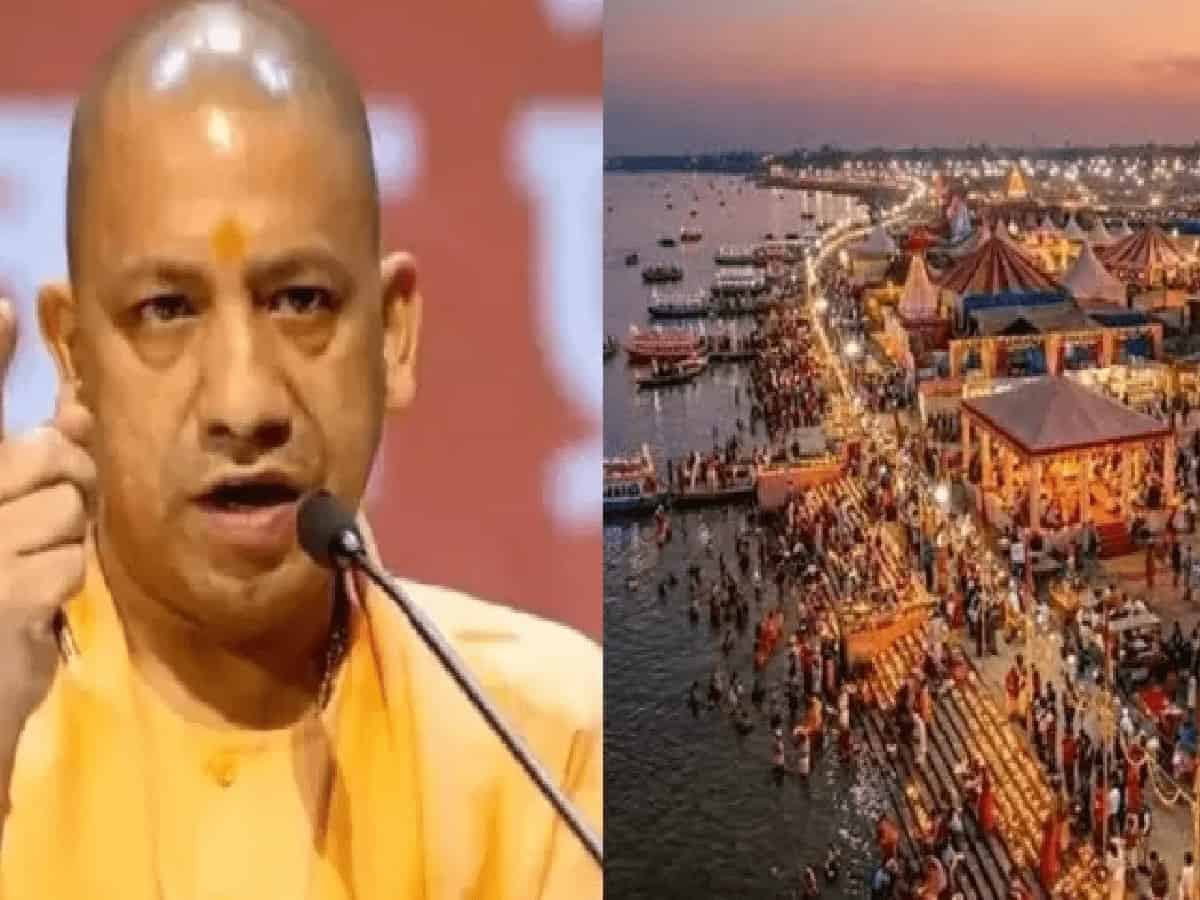
30 Lakh Devotees at Garh Mela: CM Yogi Orders Tight Security
The riverbanks of the sacred Ganga in western Uttar Pradesh are preparing to host one of north India's largest religious congregations, with an estimated 2.5 to 3 million (25 to 30 lakh) devotees expected to assemble for the historic Garhmukteshwar and Tigri fairs. Scheduled to take place from November 17 to November 26, 2026, the twin fairs will witness their peak devotional milestone during the main Kartik Purnima Ganga Snan ritual on Tuesday, November 24. Reviewing multi-departmental arrangements during a high-level video conference held at his official residence in Lucknow, Chief Minister Yogi Adityanath issued strict orders to ensure foolproof security, crowd regulation, health infrastructure, and uncompromised sanitation across the sprawling mela grounds.
Emphasizing the historical and spiritual heritage of the region, the Chief Minister described the Garhmukteshwar fair as the "Mini Kumbh of Western Uttar Pradesh," stressing that the ten-day religious gathering must reflect deep faith, civic discipline, and pristine cleanliness (Shraddha, Anushasan, aur Swachhta). Administrative commissioners, inspector generals, district magistrates, and superintendents of police from Meerut, Bareilly, Moradabad, Hapur, Amroha, and surrounding divisions participated in the detailed operational review. The Chief Minister warned that administrative negligence regarding the safety, dignity, and convenience of visiting pilgrims will invite strict punitive action.
Riverfront Water Management and Complete Prohibition on Single-Use Plastic
To ensure smooth and safe ritual bathing for the millions of pilgrims descending upon the riverfront, Chief Minister Yogi Adityanath instructed the Irrigation Department to maintain adequate water flow across all primary bathing ghats, directing engineers to channelize the Ganga where necessary to prevent localized stagnancy or hazardous drop-offs. Barricading networks and safety nets are being deployed along the deep-water channels of both the Garhmukteshwar ghats in Hapur district and the Tigri riverfront in Amroha district to protect bathers.
Sanitation along the sandy riverbanks has been placed under strict oversight. The Panchayati Raj and Urban Development departments have been tasked with deploying thousands of dedicated sanitation workers (Safai Mitras) to work in rotating round-the-clock shifts. Mechanized solid waste disposal vehicles, segregated dustbins, and continuous trash collection corridors will operate across the tent cities. Crucially, the Chief Minister ordered a comprehensive, zero-tolerance ban on single-use plastics throughout the entire mela perimeter, commanding authorities to confiscate polythene carry-bags, thermocol dinnerware, and non-biodegradable packaging. The administration must also guarantee the continuous supply of certified potable drinking water and uninterrupted electrical power to prevent outages across the night camps.
Multi-Tier Security Grid: NDRF, SDRF, Watch Towers, and a Social Media Ban for On-Duty Cops
A multi-layered security apparatus is being mobilized across both banks of the river to manage the massive flow of pilgrims and vehicles. Heavy contingents of the Uttar Pradesh Police—including dedicated squads of female police personnel—will be posted at river approaches, changing enclosures, busy market corridors, and transit hubs. To counter aquatic risks, specialized water rescue teams from the National Disaster Response Force (NDRF) and State Disaster Response Force (SDRF) will maintain continuous motorboat and steamer patrols equipped with lifejackets, inflatable rescue tubes, and underwater divers.
High-resolution closed-circuit television (CCTV) cameras, mobile drone surveillance units, elevated watch towers, and an integrated Public Address (PA) system will cover the fairgrounds, feeding real-time crowd-density feeds into a centralized 24-hour command and control center. Fire tenders and quick-response disaster vehicles will be positioned on high alert. In a pointed disciplinary directive aimed at maintaining sharp vigilance, Chief Minister Adityanath instructed all deployed police officers and constables to strictly refrain from recording video reels or engaging with social media platforms while on active duty. Furthermore, state intelligence units and cyber cells were directed to monitor digital channels to identify and penalize disruptive elements spreading rumors, panic, or communal misinformation.
Temporary Community Health Centers and Complete Ban on Intoxicants
To manage medical contingencies in the temporary township, the Health Department is setting up field hospitals equivalent to Community Health Centers (CHCs) directly on the fairgrounds. These makeshift medical units will be staffed by physicians, surgeons, pediatricians, and nursing staff, equipped with acute trauma care kits, basic diagnostic laboratories, and reserves of anti-snake venom and anti-rabies serums. A fleet of Advanced Life Support (ALS) and Basic Life Support (BLS) ambulances will remain stationed across the ghat zones, maintaining clear green corridors to district referral hospitals in Hapur, Meerut, and Amroha.
Upholding the spiritual sanctity of the pilgrimage, Chief Minister Adityanath directed an absolute ban on the sale, distribution, and consumption of liquor, meat, and other intoxicants across the fair's defined perimeter and feeder highways. Law enforcement teams have been authorized to conduct sudden inspections to ensure that no commercial activity or public behavior violates traditional religious customs or offends devotee sentiments.
Cultural Immersion: Laser Shows, Drone Spectacles, and Heritage Performances
Beyond the sacred ritual bath, the Garhmukteshwar and Tigri fairs are set to become vibrant hubs of cultural expression and traditional folklore. The Chief Minister directed the Department of Culture to move beyond administrative management and create an uplifting spiritual environment for visiting rural and urban families. The ten-day schedule will showcase recitations of the Shrimad Bhagwat Katha, live theatrical performances of Rasleela and Ramleela, and traditional musical presentations honoring Lord Shiva.
Evenings at the riverfront will feature modern high-tech entertainment, including choreographed laser illuminations and aerial drone shows depicting sacred episodes from Indian epics. Cultural stages will prioritize folk artists from western Uttar Pradesh, providing them with a platform to perform traditional raginis, devotional bhajans, and folk dances. To foster youth engagement, district administrations will host competitive events including traditional rural wrestling (dangal), sports matches, and school competitions covering essay writing, debates, and slogan creation focused on the sacred heritage of the Ganga.
Transport Logistics: Special Buses and Extensive Route Diversions
With hundreds of thousands of tractors, private cars, two-wheelers, and pedestrian groups arriving via major national and state highways—including National Highway 9 (Delhi-Lucknow corridor)—the Uttar Pradesh State Road Transport Corporation (UPSRTC) has been instructed to operate fleets of additional shuttle buses connecting terminal railway stations and rural tehsils directly to the fairgrounds.
Traffic police authorities across Hapur, Amroha, Bulandshahr, and Meerut have developed comprehensive traffic diversion plans to reroute heavy commercial freight carriers away from primary pilgrim corridors starting days ahead of the main November 24 bathing day. Spacious temporary parking zones equipped with lighting, drinking water, and round-the-clock watchposts are being demarcated outside the river basin to prevent vehicular gridlock on narrow village access lanes. Through rigorous administrative preparations and enhanced security measures, the Uttar Pradesh government aims to deliver a safe, clean, and memorable "Mini Kumbh" experience for millions of pilgrims traveling to Garhmukteshwar and Tigri.




