







CM Yogi on Diwali Fireworks: Pollution Will Disperse, Stop Worrying
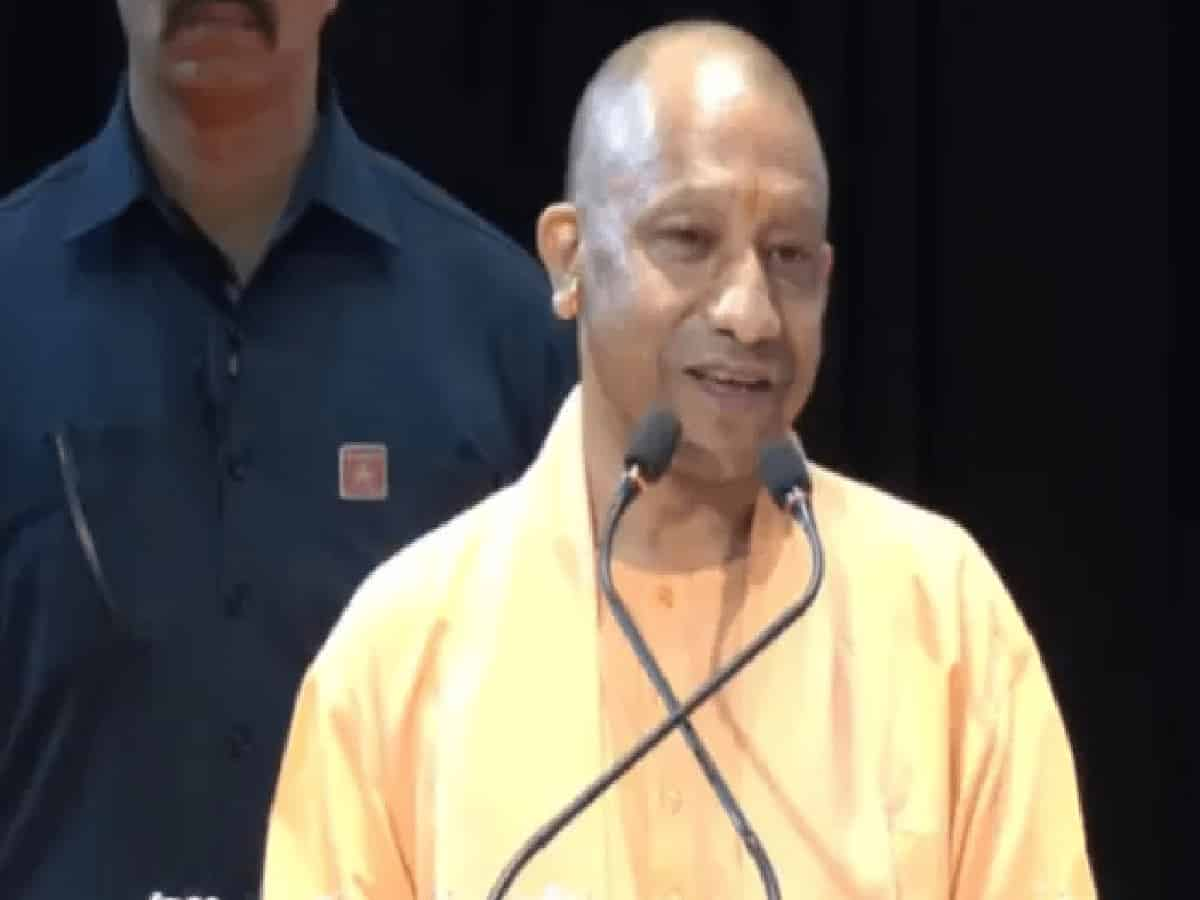
Addressing a packed auditorium at the Indira Gandhi Pratishthan in Lucknow on Wednesday, November 11, 2026, Uttar Pradesh Chief Minister Yogi Adityanath took direct aim at critics questioning the environmental impact of post-Diwali firecracker celebrations across northern India. Distributing official appointment letters to 1,146 newly recruited Junior Assistants selected for the Revenue Department by the Uttar Pradesh Subordinate Services Selection Commission (UPSSSC), the Chief Minister diverged from administrative achievements to deliver a forthright defense of public cultural festivities. Responding to the widespread scrutiny surrounding elevated Air Quality Index (AQI) levels following the festival of lights, he emphasized that transient atmospheric changes from a single night of traditional celebrations are temporary and will naturally dissipate on their own.
"You people celebrated Diwali, and many people are saying that it has caused pollution. We said that if pollution has happened, then it will end. Why are you worrying?" Chief Minister Yogi Adityanath remarked in a pointed address captured by national news agencies. The Chief Minister questioned the selective concern raised annually around major indigenous holidays, emphasizing that celebrating heritage with enthusiasm should never be criminalized or diminished. He noted that while transient smoke clears within hours or days, critics often turn a blind eye to deeper, systemic institutional decay that harms society far more permanently than seasonal festivities.
Targeting Systemic Evils: Corruption vs. One Day of Public Celebration
The Chief Minister drew a sharp philosophical contrast between seasonal smoke from festive fireworks and the pervasive "pollution" created by institutional corruption, nepotism, and bureaucratic exploitation. Speaking to the newly inducted civil servants, he criticized political commentators and self-styled environmental critics who remain silent during systemic governance failures, yet direct vocal outrage at ordinary citizens engaging in time-honored communal rejoicing.
"No one speaks out against those who have polluted the entire system through their corrupt practices. If the public bursts fireworks and crackers for a day, then suddenly pollution has happened. It is not an unresolvable problem; it will go away," Chief Minister Adityanath stated. He argued that public health and environmental debates must address root industrial and systemic challenges rather than targeting citizen joy during Diwali. He reminded the audience that clean administration and ethical conduct inside government offices represent the highest form of ecological purification, transforming public welfare and restoring faith in state institutions.
Standing Firm on No Crackers Ban: Embracing the Ayodhya Festivities
Reaffirming the state government's decision not to enforce heavy-handed bans or punitive restrictions on firecracker sales throughout Uttar Pradesh this season, the Chief Minister underscored that people deserved to celebrate without fear of police harassment. While several neighboring regions enforced strict prohibitions and penal measures, Uttar Pradesh permitted standard festivities to continue, reflecting a balance between cultural preservation and public liberty.
"It was good that people celebrated Diwali with great pomp and show. There was a lot of fireworks. We had clearly said that we will not impose any restrictions," the Chief Minister noted, highlighting his personal participation in the historic Deepotsav celebrations in Ayodhya. Having attended the grand fireworks display illuminated along the banks of the Saryu River, he remarked that true public leadership involves sharing in the joy of the masses. "I was also present during the fireworks in Ayodhya. When someone celebrates festivals, people suddenly start remembering pollution," he remarked, criticizing the double standards applied to traditional observances.
Transparent Merit: Handing Over 1,146 Revenue Appointment Letters
The backdrop of the Chief Minister’s address was marked by a major administrative milestone: the induction of 1,146 Junior Assistants into the Uttar Pradesh Revenue Department. Recruited through rigorous screening by the UPSSSC, the young personnel represent a vital reinforcement for tehsil headquarters, collectorates, and regional land administration centers across all 75 districts.
Interacting with the selected recruits directly from the podium, Chief Minister Yogi Adityanath asked whether any individual had to pay bribes, seek political patronage, or depend on middlemen to secure their government posts. The recruits replied with an immediate, collective "No," affirming the integrity of the selection process. The Chief Minister urged the new appointees to take this same transparency to their respective desks, demanding two fundamental traits from each officer: deep compassion for the common citizen and absolute honesty in professional life. He stressed that when governance is fair and opportunities are granted purely on merit, young people no longer face migration or identity crises.
The Broader Air Quality Context Across Northern India Post-Diwali
The Chief Minister’s observations come against the backdrop of seasonal air quality shifts across the Indo-Gangetic Plains every November. Meteorologists and environmental scientists point out that late-autumn air quality variations are driven by a combination of declining ambient temperatures, calm wind speeds, thermal inversion layers, regional agricultural stubble burning, and vehicular emissions. In low-dispersion winter atmospheres, pollutants remain trapped near the ground, causing temporary spikes during festive gatherings.
By framing the issue around natural atmospheric dispersion, Chief Minister Adityanath urged the public not to succumb to seasonal panic. He reiterated that environmental management requires sustainable, year-round urban planning, green cover expansion, and systematic governance rather than seasonal outrage targeted at the cultural expressions of ordinary people. As Lucknow, Kanpur, Varanasi, and Ayodhya return to standard daily routines after the festive week, the Chief Minister’s remarks have sparked a lively public debate on balancing environmental stewardship with the celebration of India’s deepest cultural traditions.




