







Chhath Puja: UP Cancels Expressway Staff Leaves for Safe Travel
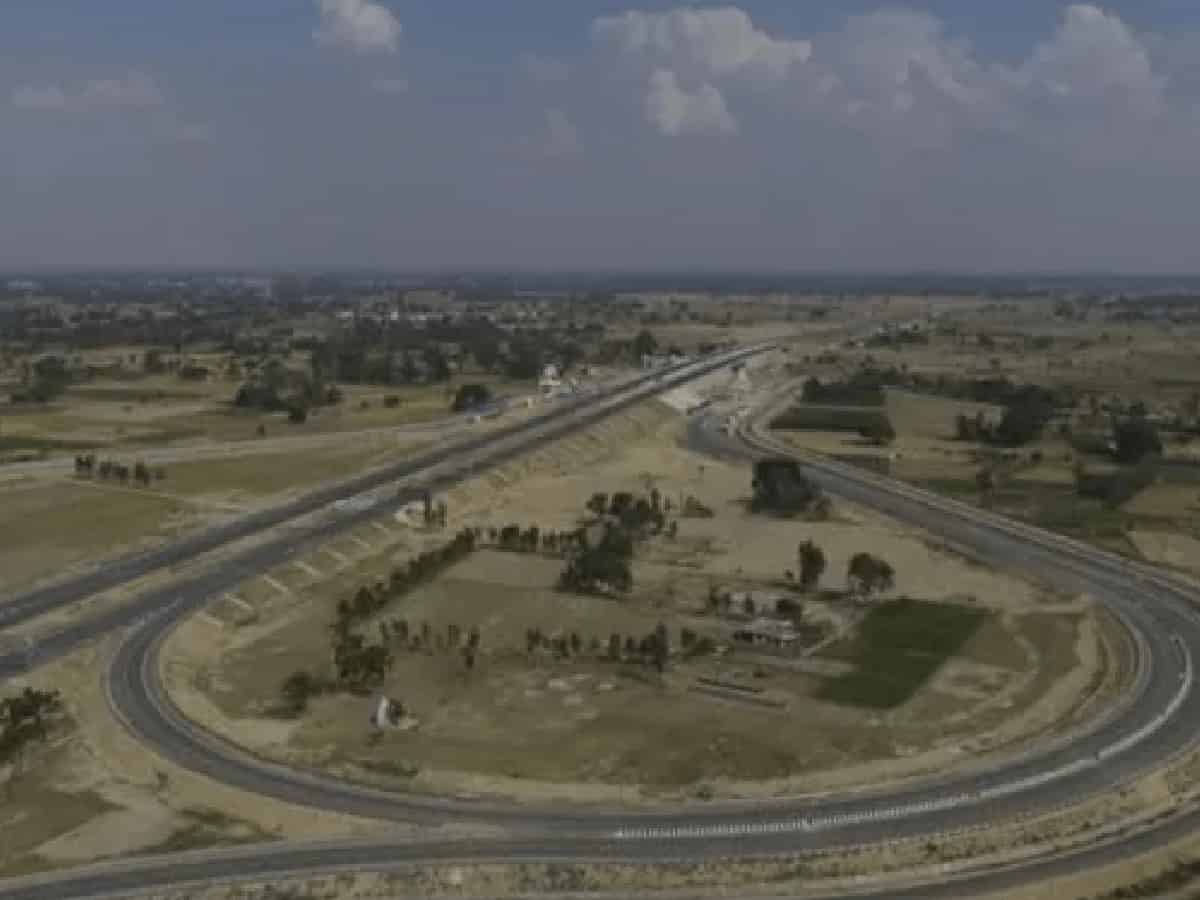
As millions of migrant workers, professionals, and multi-generational families journey across northern India to celebrate Chhath Mahaparva in their ancestral villages across eastern Uttar Pradesh and Bihar, the Uttar Pradesh Expressway Industrial Development Authority (UPEIDA) has implemented emergency measures to ensure unhindered, safe highway travel. Following directives issued by Chief Minister Yogi Adityanath, the state expressway administration has cancelled all leaves for operational, security, and medical personnel across its highway network. High-speed corridors—including the Agra-Lucknow Expressway, Purvanchal Expressway, and Bundelkhand Expressway—are operating under maximum alert status to manage the heavy festive traffic surge connecting Delhi-NCR and Lucknow to the Purvanchal region.
The movement of vehicles peaks during the festive corridor bridging Diwali, Bhai Dooj, and the four-day Chhath festivities beginning November 13 with Nahay-Khay. For countless families, reaching their native riverbanks along the Gomti, Saryu, and Ganga before the sunset arghya represents an essential annual pilgrimage. Acknowledging that highway congestion and sudden breakdowns can disrupt festive celebrations, the Uttar Pradesh government has mobilized state transport, highway police, and emergency responders to safeguard passenger movement across the state's arterial infrastructure.
UPEIDA Cancels Leaves: 24/7 Rapid Response Grids Activated
To prevent logistical bottlenecks and personnel shortages during this high-volume period, UPEIDA issued an official circular revoking all casual, privileged, and scheduled leaves for technical, field, and administrative staff engaged in route management and traffic control. Officers, toll managers, route patrol marshals, crane operators, and emergency paramedic units have been placed on active 24/7 duty at their designated highway checkpoints, toll barriers, and regional administrative nodes until the festive travel rush concludes.
Under this emergency deployment plan, UPEIDA has mobilized an expanded fleet of high-speed route patrol vehicles. These units continuously traverse key highway stretches to detect stationary vehicles, remove road hazards, monitor blind spots, and assist stranded motorists. Highway patrol teams work in direct coordination with the Uttar Pradesh Police Dial 112 network, regional traffic management centers, and local police stations across all traversing districts—including Agra, Firozabad, Mainpuri, Kannauj, Kanpur, Unnao, Lucknow, Barabanki, Sultanpur, Amethi, Ayodhya, Azamgarh, Mau, and Ghazipur—ensuring immediate on-site intervention during roadside emergencies.
Round-the-Clock Emergency Protocols: Ambulances, Cranes, and Medical Units
A major component of UPEIDA's travel safety framework is the strategic positioning of advanced rescue infrastructure along every 30 to 40 kilometers of expressway. The authority has stationed Advanced Life Support (ALS) and Basic Life Support (BLS) ambulances at all toll plazas, major interchanges, and wayside amenity hubs. These ambulances are staffed by certified emergency medical technicians equipped to deliver immediate trauma care, oxygen stabilization, and first-aid treatment before transporting injured passengers to nearby government district hospitals or medical colleges via designated green corridors.
To prevent lane blockages caused by commercial truck breakdowns or flat tires, high-capacity hydraulic tow trucks and heavy recovery cranes have been stationed at strategic entry and exit ramps. In the event of an accident or vehicle failure, route patrol teams are tasked with securing the perimeter within 10 to 15 minutes, using reflective traffic cones, digital warning arrows, and flares to alert approaching high-speed drivers, while heavy cranes clear the disabled vehicle onto paved emergency shoulders to keep through-traffic moving freely.
Zero Delays at Toll Plazas: Electronic FASTag Management and Lane Expansion
With hundreds of thousands of private vehicles, state transport buses, and light commercial carriers navigating expressway barriers daily, toll plaza management has been upgraded to prevent bottlenecks. UPEIDA has mandated the full operationalization of all available toll lanes across major collection barriers, including the entry and exit plazas at Agra, Kannauj, Lucknow, Sultanpur, and Ghazipur.
Toll management concessionaires have deployed dedicated handheld Electronic Toll Collection (ETC) scanners alongside automated overhead FASTag sensors to instantly clear vehicles carrying degraded or non-readable RFID tags. Dedicated cash-free corridors, clearly demarcated lanes for heavy passenger transport buses, and marshals equipped with illuminated traffic batons are deployed at toll plaza approaches to guide incoming vehicles into balanced queue lines, reducing average barrier clearance times to seconds even during peak travel hours.
Appeal to Commuters: Avoid Unnecessary Haste and Observe Speed Discipline
Alongside administrative deployments, UPEIDA has issued a public advisory urging drivers and commercial operators to exercise patience, avoid erratic lane changes, and adhere strictly to traffic safety guidelines throughout their festive journeys. Noting that elevated vehicle densities can cause brief delays at major interchange hubs and fuel filling stations, authorities urged motorists to avoid aggressive overtaking, tailgating, and shoulder driving, which remain primary causes of chain collisions on high-speed expressways.
Expressway control centers emphasized adherence to prescribed speed limits—100 kilometers per hour for light motor passenger cars and 80 kilometers per hour for heavy passenger and commercial vehicles. In light of fluctuating early winter weather patterns across the Indo-Gangetic plains, which frequently introduce localized morning fog, haze, and reduced horizontal visibility near river crossings, motorists are advised to check tire pressures, inspect windshield wiper systems, verify vehicle taillights, and take scheduled breaks at designated wayside amenities to avoid fatigue-induced microsleep behind the wheel.
Wayside Amenities and Digital Helpdesks: Ensuring Traveler Comfort
To support families traveling long distances, UPEIDA has placed wayside amenities (WSAs) across the expressway corridors on round-the-clock service. These highway service hubs provide clean public sanitation facilities, authorized food courts, drinking water, and well-lit parking areas to ensure that women, children, and elderly commuters can rest safely during long transit hours.
Motorists navigating the state's expressway network can access real-time assistance through dedicated round-the-clock emergency helpline numbers—including the Agra-Lucknow Expressway helpline (1800-180-8777) and the Purvanchal Expressway helpline (1800-889-1122)—alongside universal state emergency numbers (112 for Police and 108 for Medical Emergencies). Through continuous coordination, suspended leaves, and round-the-clock vigilance, the Uttar Pradesh government aims to ensure that every family reaches their home riverbank smoothly, turning festive travel into a secure journey across the state.




